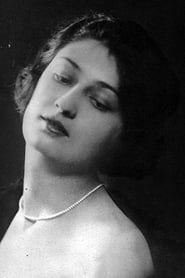
Marcelle Pradot
Actor
Born: August 27, 1901 in France Died: April 24, 1982 Active: 1920-1924
Films
5 films
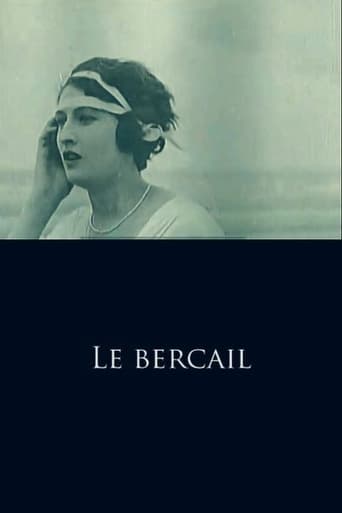
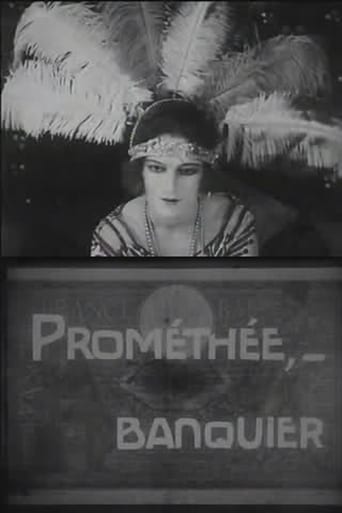
About Marcelle Pradot
French actress who emerged during the golden age of French silent cinema in the early 1920s. Her career, though brief, was marked by significant collaborations with prominent directors of the era, most notably Marcel L'Herbier, whom she would later marry. Pradot made her film debut in 1920 and quickly established herself as a talented performer capable of conveying complex emotions through the silent medium. Her most acclaimed work came in L'Herbier's avant-garde productions, where she demonstrated remarkable range and depth. Marcelle Pradot's career coincided with the peak of French artistic cinema, and she became associated with the experimental and innovative filmmaking techniques of the period. After marrying L'Herbier in 1923, she gradually retreated from acting, with her last known film appearance in 1924. Her legacy endures through her contributions to some of the most important French silent films of the early 1920s.
The Craft
On Screen
Marcelle Pradot was known for her expressive and nuanced performances in silent films, utilizing subtle facial expressions and body language to convey complex emotional states. Her acting style embodied the artistic sophistication of French silent cinema, moving away from the exaggerated gestures common in earlier silent films toward a more naturalistic approach. She possessed a remarkable ability to communicate inner turmoil and psychological depth through minimal means, making her particularly effective in the avant-garde productions of Marcel L'Herbier.
Milestones
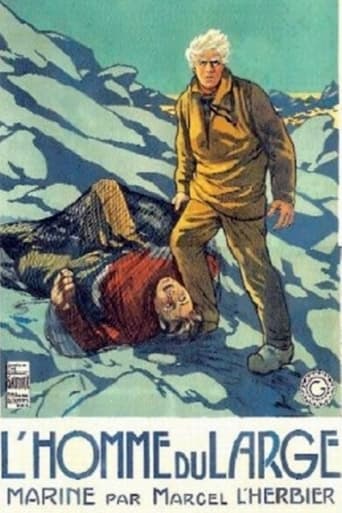
- Film debut in The Man of the Sea (1920)
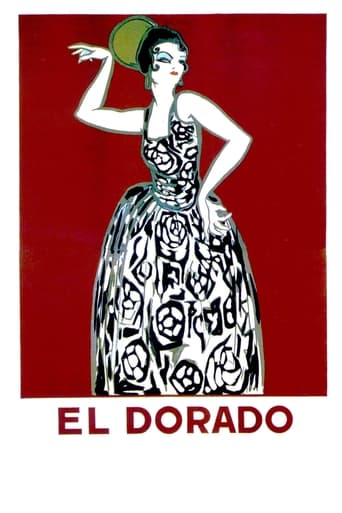
- Breakthrough role in El Dorado (1921)
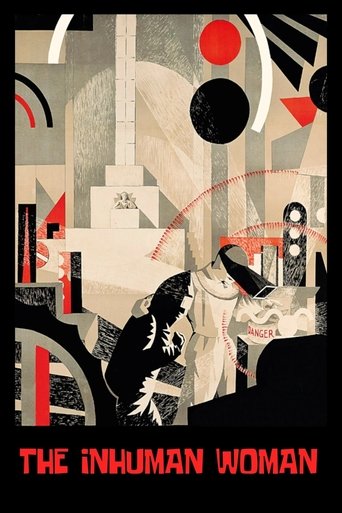
- Starring role in The Inhuman Woman (1924)
- Marriage to director Marcel L'Herbier (1923)
- Association with French avant-garde cinema movement
Best Known For
Iconic Roles
Must-See Films
Working Relationships
Worked Often With
Why They Matter
Impact on Culture
Marcelle Pradot contributed to the French avant-garde cinema movement of the early 1920s, a period that significantly influenced the development of cinematic art worldwide. Her performances in Marcel L'Herbier's experimental films helped establish new standards for psychological depth and artistic sophistication in silent cinema. Through her work, she participated in the French cinema's challenge to Hollywood's dominance, showcasing the unique artistic vision of European filmmakers. Her collaboration with L'Herbier exemplified the creative partnerships that characterized the golden age of French silent film, where actresses often served as both performers and muses for visionary directors.
Lasting Legacy
Marcelle Pradot's legacy rests primarily on her contributions to three significant French silent films that have survived as important examples of early 20th-century European cinema. While her career was brief, her performances in El Dorado and The Inhuman Woman continue to be studied by film scholars interested in the evolution of acting techniques in silent cinema. Her marriage to Marcel L'Herbier ensures her place in film history as part of one of French cinema's most important creative partnerships. The preservation of her films has allowed modern audiences to appreciate her talent and the artistic innovation of French silent cinema.
Who They Inspired
As an actress working in the French avant-garde tradition, Marcelle Pradot influenced the development of more subtle and psychologically nuanced acting styles in silent cinema. Her work demonstrated the possibilities of conveying complex emotions without dialogue, paving the way for future generations of actors in both silent and sound films. Through her collaborations with Marcel L'Herbier, she contributed to the establishment of artistic cinema as a legitimate alternative to commercial filmmaking, influencing subsequent French film movements including the French New Wave.
Off Screen
Marcelle Pradot's personal life became intertwined with her professional career when she married director Marcel L'Herbier in 1923. This marriage significantly influenced her film career, as she became his muse and starred in several of his most important productions. The couple remained married until L'Herbier's death in 1979, spanning over five decades. Following her retirement from acting in 1924, Pradot largely withdrew from public life and focused on her role as L'Herbier's wife and companion. She lived through the dramatic transformation of cinema from silent to sound films and witnessed the evolution of French cinema throughout the 20th century.
Family
- Marcel L'Herbier (1923-1979)
Did You Know?
- Her film career lasted only four years, from 1920 to 1924
- She married director Marcel L'Herbier after working with him on several films
- Her most famous film, El Dorado (1921), was considered a masterpiece of French silent cinema
- The Inhuman Woman (1924) was her final film role
- She retired from acting at age 23, shortly after her marriage
- Her films were part of the French Impressionist cinema movement
- She worked during the transition period when French cinema was challenging Hollywood's dominance
- Her performances were noted for their subtlety compared to the exaggerated acting style common in earlier silent films
Frequently Asked Questions
Who was Marcelle Pradot?
French silent film actress active in the early 1920s, best known for her roles in avant-garde French films, particularly those directed by Marcel L'Herbier, whom she later married.
What films is Marcelle Pradot best known for?
Titles linked here include El Dorado (1921), The Inhuman Woman (1924).
When was Marcelle Pradot born and when did she die?
Born August 27, 1901; died April 24, 1982.
What awards did Marcelle Pradot win?
There are no recorded awards or nominations for Marcelle Pradot, as was common for many actors of the silent era before major film awards were established.
What was Marcelle Pradot's acting style?
Marcelle Pradot was known for her subtle and nuanced acting style in silent films, using refined facial expressions and body language rather than the exaggerated gestures typical of earlier silent cinema.
Why did Marcelle Pradot's career end so early?
Marcelle Pradot retired from acting in 1924 at age 23, shortly after marrying director Marcel L'Herbier, choosing to focus on her personal life rather than continuing her film career.
How was Marcelle Pradot connected to Marcel L'Herbier?
Marcelle Pradot was both a frequent collaborator and the wife of director Marcel L'Herbier, starring in several of his most important films before marrying him in 1923.