
Jaque Catelain
Actor & Director
Born: February 7, 1896 in Saint-Germain-en-Laye, France Died: March 19, 1965 Active: 1920-1937 Birth Name: Jacques Camille Catelain
Films
7 films
About Jaque Catelain
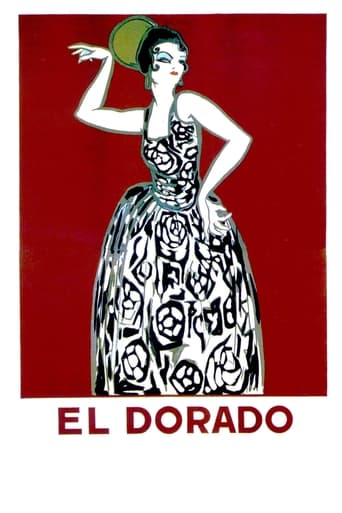
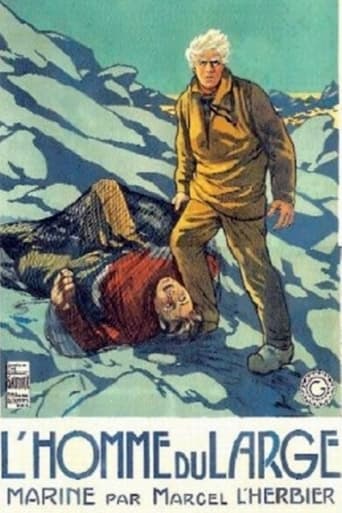
Jacques Catelain — prominent French actor of the silent film era, best known for his collaborations with director Marcel L'Herbier. Born Jacques Camille Catelain, he began his film career in the early 1920s and quickly became one of France's leading romantic leading men. His striking appearance and intense acting style made him particularly suited for the dramatic roles that characterized French avant-garde cinema of the period. Catelain's most significant work came through his partnership with L'Herbier, appearing in several of the director's most ambitious and visually innovative productions. His performances in films like 'L'Homme du large' and 'El Dorado' showcased his ability to convey complex emotions through the subtle gestures and expressions required by silent cinema. As the transition to sound films began in the late 1920s, Catelain's career gradually diminished, though he continued to appear in smaller roles throughout the 1930s. His legacy remains tied to his contributions to French silent cinema and the artistic movement that sought to elevate film to the level of other fine arts.
The Craft
On Screen
Catelain was known for his intense, dramatic acting style that perfectly suited the exaggerated emotional expression required in silent cinema. His performances were characterized by powerful facial expressions and deliberate, meaningful gestures that could convey complex emotions without dialogue. He had a particular talent for portraying tortured, romantic heroes and brought a sense of brooding intensity to his roles. His physical presence and striking features made him an ideal leading man for the artistic and often melodramatic French films of the 1920s.
Milestones
- Breakthrough role in Marcel L'Herbier's 'L'Homme du large' (1920)
- Starring role in the critically acclaimed 'El Dorado' (1921)
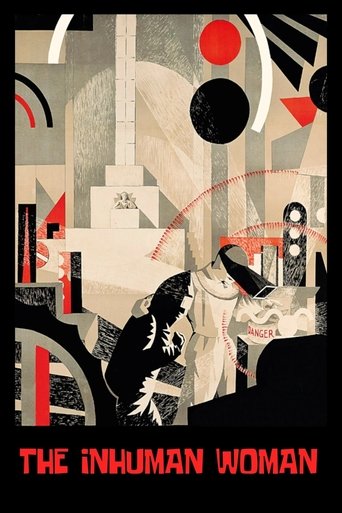
- Leading role in the avant-garde masterpiece 'L'Inhumaine' (1924)
- Collaboration with Marcel L'Herbier on multiple groundbreaking French silent films
- Transition to supporting roles in early French sound cinema
Best Known For
Iconic Roles
Must-See Films
Accolades
Special Recognition
- Recognized as a significant figure in French silent cinema history
Working Relationships
Worked Often With
Studios
Why They Matter
Impact on Culture
Jacques Catelain played a significant role in the development of French silent cinema as an artistic medium during its golden age in the 1920s. His work with Marcel L'Herbier helped establish a distinctly French approach to cinematic art that emphasized visual poetry and psychological depth over commercial entertainment. The films he starred in, particularly 'El Dorado' and 'L'Inhumaine,' were part of the avant-garde movement that influenced international cinema and helped establish film as a legitimate art form in Europe. His performances embodied the romantic and tragic sensibilities that characterized French artistic cinema of the period, contributing to the cultural identity of French film that would continue to influence filmmakers for decades.
Lasting Legacy
Though largely forgotten by mainstream audiences today, Jacques Catelain remains an important figure in the history of French cinema. His body of work, particularly his collaborations with Marcel L'Herbier, is studied by film scholars and historians as representative of the artistic ambitions of silent-era French cinema. The films he appeared in are considered classics of the period and are occasionally screened at film festivals and cinematheques dedicated to preserving silent cinema heritage. His legacy endures through these preserved works, which continue to influence contemporary filmmakers interested in the visual storytelling techniques of the silent era.
Who They Inspired
Catelain's acting style, while typical of silent era performers, influenced subsequent generations of French actors through its emphasis on psychological depth and emotional authenticity. His work in avant-garde films helped establish a tradition of artistic cinema in France that would later influence directors of the French New Wave. The visual storytelling techniques employed in his films continue to be studied by filmmakers interested in non-verbal communication and cinematic expression. His collaborations with L'Herbier set a standard for the actor-director relationship in artistic cinema, emphasizing mutual artistic exploration over commercial considerations.
Off Screen
Jacques Catelain was known to be a private individual who maintained a relatively low public profile outside of his film career. He was deeply committed to the artistic movement in French cinema during the 1920s and was part of the circle of artists and intellectuals who sought to establish film as a legitimate art form. After his acting career diminished, he largely withdrew from public life and focused on other interests. He spent his later years in Paris, where he died in 1965 at the age of 69.
Education
Limited information is available about Catelain's formal education, though he likely received training in theater or dramatic arts before entering films, as was common for actors of his era.
Did You Know?
- His name is sometimes spelled 'Jaque' rather than 'Jacques' in film credits, leading to some confusion in film databases
- He was discovered by director Marcel L'Herbier, who became his primary collaborator throughout the 1920s
- All three of his most famous films (The Man of the Sea, El Dorado, The Inhuman Woman) were directed by L'Herbier
- He was part of the artistic movement that sought to establish cinema as the 'seventh art'
- His film 'El Dorado' was considered
- He worked alongside some of France's most prominent actors of the silent era, including Ève Francis
- His career declined with the advent of sound cinema, as was common for many silent era stars
- The films he appeared in were known for their innovative visual techniques and artistic ambitions
- He was particularly popular in France during the early 1920s but never achieved international fame
- His performances were characterized by a brooding, romantic intensity that suited the melodramatic nature of French silent cinema
In Their Own Words
No widely documented quotes are attributed to Jacques Catelain, as was common for many silent era actors who primarily let their performances speak for themselves
Frequently Asked Questions
Who was Jacques Catelain?
Jacques Catelain — French actor who rose to prominence during the silent film era of the 1920s, best known for his collaborations with director Marcel L'Herbier in some of France's most artistic and innovative films of the period.
What films is Jacques Catelain best known for?
Titles linked here include L'Homme du large (The Man of the Sea) (1920), El Dorado (1921).
When was Jacques Catelain born and when did he die?
Born February 7, 1896; died March 19, 1965.
What awards did Jacques Catelain win?
There are no documented major awards or honors that Jacques Catelain received during his career, though he is recognized today as an important figure in French silent cinema history.
What was Jacques Catelain's acting style?
Catelain's acting style was characterized by intense, dramatic expressions and deliberate gestures suited to silent cinema, with a particular talent for portraying brooding, romantic heroes in the artistic French films of the 1920s.