Born: August 24, 1886 in Saint-Josse-ten-Noode, BelgiumDied: December 6, 1980Active: 1913-1933 (acting), 1924-1970s (writing)Birth Name: Éva Joséphine Marie Françoise Nicolas
About Ève Francis
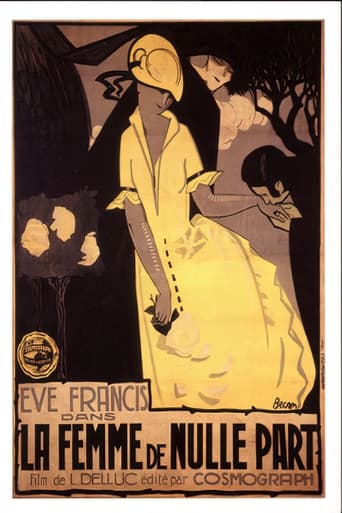
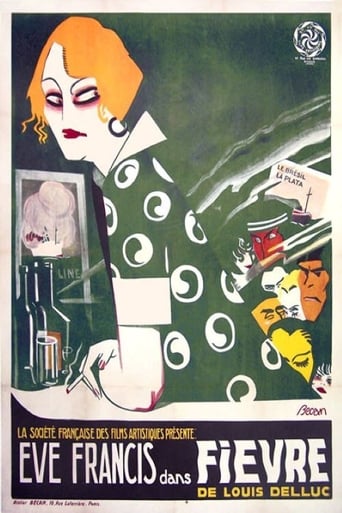
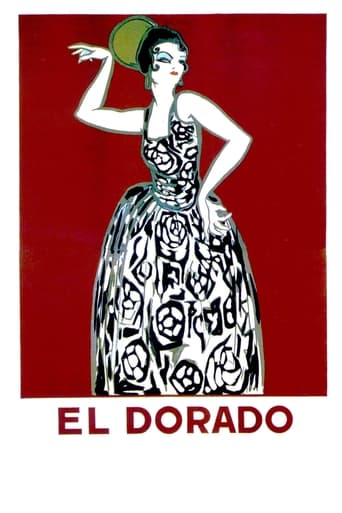
Ève Francis was a pioneering Belgian-French actress, film theorist, and writer who played a significant role in the development of French cinema during the silent era. Born Éva Joséphine Marie Françoise Nicolas, she began her career on the Belgian stage before transitioning to film in the 1910s. She became closely associated with the French avant-garde cinema movement, working with influential directors like Germaine Dulac, Marcel L'Herbier, and her husband Louis Delluc. Her most acclaimed performances came in the early 1920s with films such as 'Fièvre' (1921), 'El Dorado' (1921), and 'La Femme de nulle part' (The Woman from Nowhere, 1922). After Delluc's death in 1924, she largely retired from acting but continued to contribute to cinema through her writings and theoretical work. She authored several important books on cinema, including 'Cinéma et mémoire' and 'Louis Delluc, sa vie, son œuvre,' becoming one of the first women to write seriously about film theory. Her intellectual contributions to cinema were as significant as her performances, making her a crucial figure in early French film culture.
The Craft
On Screen
Ève Francis was known for her naturalistic and emotionally nuanced performances that broke from the theatrical style common in early cinema. Her acting emphasized subtle facial expressions and restrained gestures, bringing psychological depth to her characters. She was particularly effective in portraying complex, often tormented female protagonists, using minimal movement to convey intense emotions. Her style aligned with the impressionist cinema movement in France, where she helped pioneer a more intimate and realistic approach to screen performance.
Milestones
Breakthrough performance in early French silent films
Marriage to influential film critic Louis Delluc
Leading roles in avant-garde French cinema of the 1920s
Transition to film theory and criticism after acting career
Publication of seminal works on cinema theory
Recognition as one of cinema's first female theorists
Best Known For
Iconic Roles
The mysterious woman in 'La Femme de nulle part' (1922)
The protagonist in 'Fièvre' (1921)
Leading role in 'El Dorado' (1921)
Must-See Films
La Femme de nulle part
The Woman from Nowhere, 1922),
Fièvre
1921
El Dorado
1921
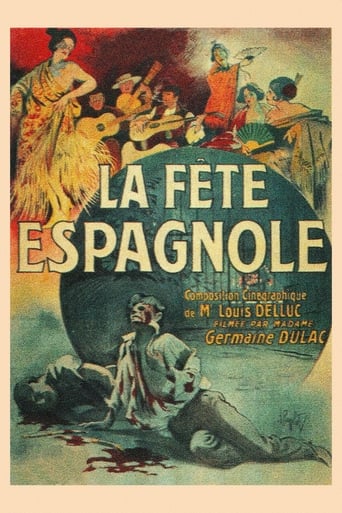
Spanish Fiesta
1920
L'Homme du large
1920
awards
nominations
honors
Recognized as pioneering film theorist,Honored at French film retrospectives,Remembered as influential figure in French avant-garde cinema
personalLife
Ève Francis led a remarkable life that spanned nearly a century and bridged the worlds of performance and intellectual cinema discourse. Her most significant personal relationship was with Louis Delluc, whom she married in 1922. Delluc was a pioneering film critic and director who helped establish French cinema as an art form. Their marriage was both romantic and professional, with Francis appearing in several of Delluc's films. After Delluc's tragic death from tuberculosis in 1924 at age 33, Francis dedicated herself to preserving his legacy and advancing his ideas about cinema as art. She never remarried and instead focused on her writing and theoretical work, becoming a respected voice in French intellectual circles. Her later years were spent in Paris, where she continued writing and occasionally participating in film retrospectives until her death at age 94.
spouses
Louis Delluc (1922-1924)
children
education
Educated in Belgium, studied theater and performing arts in Brussels before moving to Paris
studioAffiliations
Independent French productions,Société des Cinéromans,Films Albatros
frequentCollaborators
Louis Delluc,Germaine Dulac,Marcel L'Herbier,Jean Epstein
mentors
Louis Delluc (both husband and mentor)
protégés
Influenced French film critics and theorists of the 1930s-1950s
culturalImpact
Ève Francis played a crucial role in establishing French cinema as a serious art form during the silent era. As an actress, she embodied the transition from theatrical performance to naturalistic screen acting, helping define a new cinematic language. Her collaborations with avant-garde directors contributed to the development of French impressionist cinema, one of the most important movements in early film history. More significantly, her work as a film theorist and writer helped establish cinema studies as an academic discipline. She was among the first women to write seriously about film theory, paving the way for future female critics and scholars. Her books on cinema theory and her preservation of Louis Delluc's work were instrumental in shaping French film criticism and the auteur theory that would later dominate film studies.
legacy
Ève Francis's legacy extends far beyond her film performances. While her acting in silent films like 'La Femme de nulle part' and 'Fièvre' remains significant, her greatest contribution lies in her role as a film theorist and historian. She helped establish the intellectual foundation for cinema studies in France, writing some of the earliest serious theoretical works on film. Her preservation and promotion of Louis Delluc's ideas ensured that his pioneering vision for cinema as art would influence future generations of filmmakers and critics. Today, she is recognized as a pioneering figure in both feminist film theory and French intellectual cinema history, with her works still studied by film scholars. Her life represents the bridge between cinema's origins as entertainment and its evolution as a serious art form worthy of intellectual discourse.
influence
Ève Francis influenced French cinema through both her performances and her writings. As an actress, she helped establish a more naturalistic style of performance that moved away from theatrical traditions. Her theoretical writings influenced the development of French film criticism and the auteur theory that would emerge in the 1950s. She particularly influenced French New Wave critics and directors who valued cinema as personal expression. Her work as a female film theorist also paved the way for women in film studies and criticism, demonstrating that women could contribute intellectually to cinema discourse, not just as performers. Her preservation of Louis Delluc's work ensured that his ideas about cinema as art would continue to influence French filmmakers for decades.
trivia
She was one of the first women to write serious film theory and criticism,Her birth name was Éva Joséphine Marie Françoise Nicolas,She lived to be 94 years old, spanning nearly the entire history of cinema,She was instrumental in preserving and promoting her husband Louis Delluc's work after his death,The prestigious Louis Delluc Prize for French cinema was established by her efforts,She appeared in over 20 films between 1913 and 1933,She wrote several influential books on cinema theory including 'Cinéma et mémoire',She was a key figure in the French impressionist cinema movement,She began her career on stage in Belgium before transitioning to film,Her acting style was noted for its naturalism and psychological depth
famousQuotes
Cinema is not merely entertainment; it is the poetry of the twentieth century, capable of expressing the ineffable truths of human experience.,To act for the camera is to reveal the soul through silence, where every gesture becomes a word and every glance a paragraph.,Louis Delluc taught me that cinema must be both art and life, a mirror in which we see ourselves transformed.,The greatest films are those that dare to dream while remaining grounded in human truth.,Silent cinema was never truly silent; it spoke in the universal language of images that transcend words.
controversies
No major controversies are associated with Ève Francis. Her career was marked by artistic integrity and intellectual contributions rather than scandal.