
Gabriel Signoret
Actor
- Active
- 1914-1921
Films 4
About Gabriel Signoret
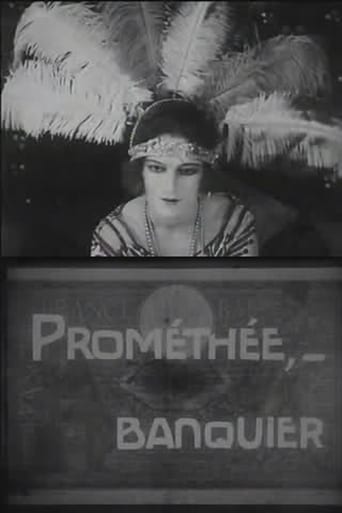
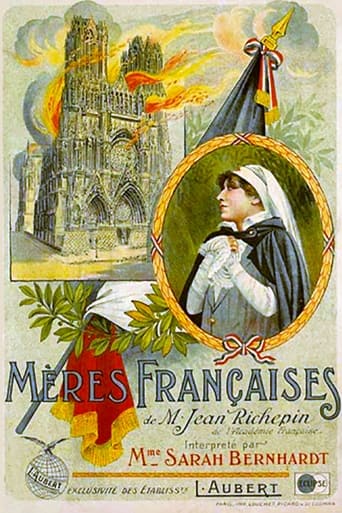
Gabriel Signoret was a French silent-era actor whose screen career emerged during the First World War and continued into the early 1920s. He appears in surviving film records as an actor in productions such as Struggle for Life (1914), Le Noël du poilu (1915), Mothers of France (1917), and Prometheus, Banker (1921), indicating that he worked steadily through the wartime years and the immediate postwar period. As with many performers of early French cinema, detailed biographical documentation is limited, and much of what is known comes from filmographies and archival references rather than extensive contemporary profiles. His recorded film appearances suggest that he was part of the generation of European actors who helped define screen acting in the silent period, when performance depended on expressive physicality, gesture, and strong visual presence. Because extant sources do not reliably preserve a full personal history, his exact birth and death details, family background, and training remain uncertain. Even so, his participation in films with socially resonant and historically specific themes places him within the important wartime and early modern phase of French cinema. He is remembered primarily as a classic-cinema character actor whose documented career belongs to the formative years of narrative film in France.
More about Gabriel Signoret
On screen
Specific contemporary descriptions of Gabriel Signoret's acting style have not been preserved in accessible sources, but as a silent-era French performer he would have relied on expressive facial nuance, disciplined gesture, and clear physical storytelling. The films associated with his career suggest a dramatic style suited to wartime and moral-dramatic subjects, where emotional clarity and visual legibility were essential. His screen presence was likely shaped by the conventions of early 20th-century French acting, balancing theatrical projection with the more intimate demands of the camera.
In film history
Gabriel Signoret's cultural importance lies less in celebrity than in his contribution to the body of early French silent cinema that reflected wartime society, national sentiment, and the evolution of screen drama. His filmography places him in productions that likely addressed themes of sacrifice, endurance, and moral struggle, making him part of the cinematic response to the First World War and its aftermath. Performers like Signoret helped establish the acting standards of silent French film, where emotional expression had to be precise enough to communicate across intertitles and visual composition alone. Even when a performer is not widely remembered by name, the surviving record of such roles contributes to our understanding of how national cinema developed during one of its most formative periods. In that sense, Signoret represents the numerous working actors whose craft supported the growth of France's early film culture.
Later reputation
Gabriel Signoret's legacy is rooted in preservation and credit rather than fame: he is one of the many silent-era actors whose names endure through filmographies and archival catalogs. His surviving credits provide evidence of continuity in French production during a turbulent historical moment, linking wartime cinema to the postwar silent period. For historians, his work is valuable as part of the broader network of performers who gave early French films their human texture and dramatic credibility. Although he does not appear to have become a major international star, his presence in documented films ensures that he remains part of the historical record of classic cinema. His legacy therefore belongs to film history itself, especially the reconstruction of otherwise under-documented silent careers.
Influence
There is no readily verifiable evidence of direct influence on later named performers, but actors like Gabriel Signoret influenced the medium by helping establish the practical standards of silent screen performance. His work contributed to the performance vocabulary of early French cinema, where subtle expressive technique and physical immediacy were crucial. By participating in productions during and after World War I, he also helped normalize cinema as a vehicle for social reflection and dramatic seriousness. His influence is best understood collectively, as part of the generation that shaped the silent-era acting tradition later inherited and refined by more documented stars.
Off screen
Little reliable information survives about Gabriel Signoret's personal life in readily available reference sources. There is no securely documented public record here of marriages, children, education, or broader family background. Like many actors from the silent era, he appears in film histories primarily through production credits rather than through detailed biographical reportage. Any fuller account would require archival research in French theater, film, or civil records.
Credits
- Appeared in French silent films during the World War I era, including Struggle for Life (1914) and Le Noël du poilu (1915)
- Took part in Mothers of France (1917), a title reflecting the socially and emotionally charged themes common in wartime French cinema
- Continued working into the postwar silent period with Prometheus, Banker (1921)
- Represents the generation of early French screen performers whose careers were documented primarily through film credits rather than extensive press coverage
- His surviving filmography places him among the contributors to the development of narrative and performance style in silent-era French cinema
Films
- Struggle for Life (1914)
- Le Noël du poilu (1915)
- Mothers of France (1917)
- Prometheus, Banker (1921)
Notes
- Gabriel Signoret is documented as an actor in silent French films spanning the World War I period and the early 1920s.
- His known credits include films from 1914, 1915, 1917, and 1921, showing activity across a significant transitional era in cinema.
- He is associated with wartime-themed titles such as Le Noël du poilu and Mothers of France, which suggests participation in patriotic or socially serious productions.
- No widely accepted birth or death dates are readily available in standard reference sources, which is common for many early film performers.
- His career is preserved primarily through filmography records rather than extensive biographical writing.
- He worked during a period when French silent cinema was developing sophisticated visual storytelling techniques.
- Because of limited documentation, he is a useful example of how many early cinema contributors remain known through credits rather than personal biography.
Questions
Who was Gabriel Signoret?
Gabriel Signoret was a French actor active in silent cinema during the World War I era and the early 1920s. He is known through surviving film credits rather than a large body of biographical documentation, and he appears in several historically significant French productions.
What films is Gabriel Signoret best known for?
He is documented in Struggle for Life (1914), Le Noël du poilu (1915), Mothers of France (1917), and Prometheus, Banker (1921). These titles place him in the wartime and immediate postwar phase of French silent cinema.
When was Gabriel Signoret born and when did he die?
Reliable public sources available here do not provide verified birth and death dates for Gabriel Signoret. Like many silent-era actors, his personal vital records are not widely preserved in standard film references.
What awards did Gabriel Signoret win?
No major awards or nominations are documented in the accessible record for Gabriel Signoret. This is not unusual for early silent-era performers, many of whom worked before modern awards systems were established.
What was Gabriel Signoret's acting style?
As a silent-era actor, he would have relied on expressive facial acting, physical nuance, and clear visual storytelling. The available evidence suggests a dramatic style suited to the emotionally serious and historically grounded films of wartime France.
What is Gabriel Signoret's legacy in film history?
His legacy lies in his contribution to early French silent cinema and in the preservation of his name through film records. He represents the many working actors who helped build the art of screen performance even when their personal biographies were not extensively documented.