Mothers of France
Plot
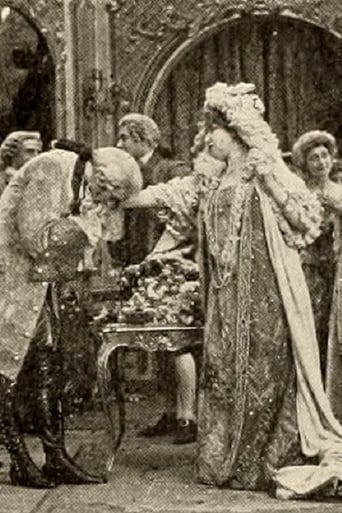
Set against the brutal backdrop of the First World War, the film follows a French mother whose life is shattered by the war's cost in human lives. She first loses her son in the trenches and then, in a further devastating blow, her husband is also taken from her by the conflict. Rather than collapse entirely under grief, she channels her suffering into patriotic purpose, devoting herself to the French cause and to helping the wounded soldiers returning from the front. The story presents her as a symbol of endurance, sacrifice, and national solidarity, emphasizing maternal grief transformed into civic and humanitarian duty.
About the Production
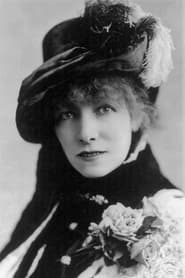
This was a wartime patriotic drama made in 1917, during the First World War itself, and its subject matter reflects the period's intense national mood. The film is associated with Sarah Bernhardt, one of the most famous stage and screen performers of the era, which likely gave it strong prestige value even in production. Surviving documentation on the shoot is sparse, and precise budgetary, location, and box-office figures are not generally preserved in accessible modern references. As with many films of the period, it was made under the technical and logistical constraints of silent-era wartime production, when shortages, censorship concerns, and the urgency of propaganda-style messaging shaped filmmaking decisions.
Historical Background
Mothers of France was made and released in 1917, when the First World War had already devastated France for nearly three years. French society was saturated with loss, casualty lists, rationing, military service, and the constant emotional pressure of a war fought in large part on French soil. In that environment, films that portrayed sacrifice, mourning, and patriotic duty were not merely entertainment; they were part of the cultural machinery of endurance and national identity. The film matters historically because it reflects how cinema could process wartime trauma in real time, presenting maternal suffering as both deeply personal and symbolically national. It also belongs to the silent-era tradition in which popular screen melodrama and patriotic messaging often overlapped, especially in wartime Europe.
Why This Film Matters
The film is culturally significant as an example of early French wartime cinema using a mother figure to embody the emotional costs of war and the ideal of resilient patriotism. It reflects a powerful cultural narrative in which women's grief is transformed into service, reinforcing notions of sacrifice, duty, and national belonging. The presence of Sarah Bernhardt adds further importance, since she was a towering figure whose participation helped bridge theater prestige and cinematic legitimacy in early film culture. For modern historians, the film is valuable not only as a work of silent melodrama but also as a document of wartime sentiment, showing how cinema contributed to collective memory and emotional mobilization during the war.
Making Of
Little detailed production history survives in widely accessible modern sources, but the film is clearly a prestige wartime drama anchored by Sarah Bernhardt's participation. Bernhardt was already an international celebrity and a major attraction for French and foreign audiences, so her casting would have been a major production and publicity decision. Louis Mercanton had experience with literary and theatrical material, and the film likely drew on that background in its performance style and dramatic framing. As with many films made in France during the war, production would have been shaped by wartime realities such as restrictions on resources, the emotional climate of the home front, and the need to balance entertainment with patriotic sentiment.
Visual Style
Specific shot-by-shot cinematographic details are not well documented in modern reference material, but the film would have employed the visual vocabulary of silent-era French drama: expressive staging, close attention to gesture and facial expression, and carefully composed tableaux. Given the wartime subject, the imagery likely contrasted the domestic sphere of maternal suffering with battlefield imagery or its aftermath, using visual contrasts to underscore sacrifice. Like many films of the period, it probably relied on theatrical framing tempered by cinematic intercutting to maintain emotional clarity. Its visual style is best understood as prestige silent melodrama rather than technical experimentation.
Innovations
No major technical innovations are specifically associated with the film in surviving reference material. Its significance is primarily dramatic, historical, and performative rather than technological. The film is nonetheless representative of the mature silent-era feature format, in which storytelling relied on expressive acting, intertitles, and visual composition to communicate emotional and political ideas. Its most notable achievement is arguably its successful use of star casting and wartime melodrama to create a culturally resonant patriotic narrative.
Music
As a 1917 silent film, it had no synchronized recorded soundtrack. In its original exhibition, it would have been accompanied by live music chosen by the theater, which may have ranged from a solo pianist to a small ensemble depending on venue and resources. No authoritative original score survives in commonly available references. Modern presentations, if any, would typically use either a reconstructed accompaniment or a newly commissioned silent-film score.
Memorable Scenes
- The mother learns of her son's death in the trenches, a turning point that establishes the film's emotional and patriotic framework.
- The second devastating loss of her husband deepens the tragedy and pushes the narrative from private mourning toward public service.
- Her decision to dedicate herself to aiding wounded soldiers serves as the film's climactic transformation from grief to patriotic action.
Did You Know?
- The film stars Sarah Bernhardt, whose involvement alone would have made it a notable event in French cinema of the period.
- It was released during the First World War, so its story of loss, sacrifice, and wartime service would have resonated strongly with contemporary audiences.
- The title presents mothers as symbolic figures of the French nation, linking private grief to public patriotism.
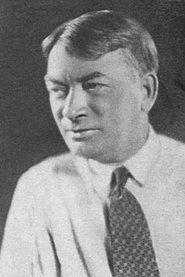
- The film is directed by Louis Mercanton, a filmmaker closely associated with adaptations and prestige productions in early French cinema.
- Because it is a silent film from 1917, any original spoken dialogue survives only in intertitles, if at all in extant documentation.
- The film is part of the broader corpus of wartime cinema that aimed to support morale and encourage national unity.
- Documentation on the production is limited, which is typical for many French silent films from the 1910s.
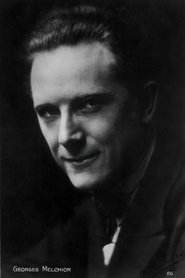
- The cast list includes Berthe Jalabert and Gabriel Signoret, both familiar names in French stage and screen acting of the era.
- The film's dramatic premise centers on a mother moving from bereavement to active aid, a common moral pattern in wartime melodrama.
- Like many films of its time, it is especially significant today for its historical representation of how cinema addressed wartime experience in real time.
What Critics Said
Detailed contemporary reviews are not widely preserved in easily accessible modern reference sources, so the film's exact critical reception cannot be stated with confidence. Given Sarah Bernhardt's stature and the wartime patriotic subject, it likely attracted attention as both a star vehicle and a topical drama. Modern appraisal, where discussed at all, tends to focus on its historical interest: the film is notable as a surviving or documented example of First World War-era French melodrama rather than as a frequently screened canonical title. Its critical value today lies in its context, its connection to Bernhardt, and its place within wartime cultural production.
What Audiences Thought
Specific box-office and audience-response data are not readily available, but the film's subject and casting suggest that it was designed to connect strongly with French wartime audiences. In 1917, stories of bereavement, sacrifice, and aiding the wounded would have been emotionally immediate and potentially cathartic for viewers living through the conflict. Sarah Bernhardt's star power would also have been a major draw, likely giving the film prestige appeal beyond its topical relevance. Today, audience reception is largely a matter of historical interest, since the film is not widely available for general viewing.
Film Connections
Influenced By
- French wartime propaganda and patriotic melodrama
- Silent-era stage-influenced performance traditions
- Melodramatic wartime literature and theater
This Film Influenced
- Later wartime melodramas centered on maternal sacrifice
- French patriotic dramas of the silent era
- Home-front war films emphasizing grief and service
You Might Also Like
More Drama Films
View allMore from Louis Mercanton
View allFilm Restoration
The preservation status is uncertain in widely accessible modern reference sources; surviving material is not clearly documented here. The film is best treated as a rare silent-era title with incomplete archival visibility, and it may survive only in fragmentary form or in limited archival holdings. If extant, it is not widely circulated and is not generally available in standard commercial distribution.