Sarah Bernhardt
Actor
Born: October 22, 1844 in Paris, France Died: March 26, 1923 Active: 1862-1923
Films
3 films
About Sarah Bernhardt
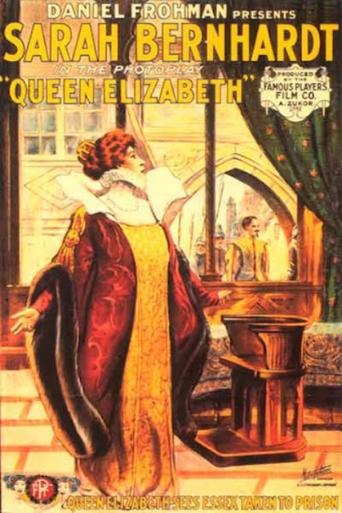
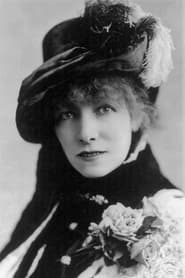
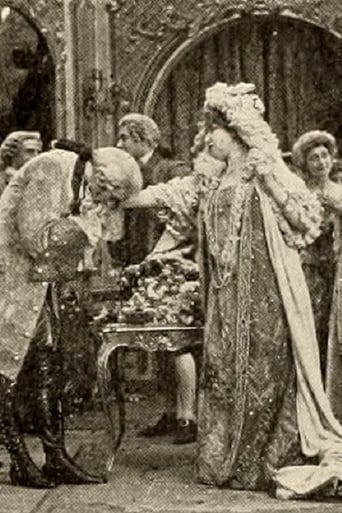
Sarah Bernhardt, known as 'The Divine Sarah,' was a French stage actress who became one of the first theatrical superstars to transition to cinema. Born in 1844, she began her career at the Comédie-Française in 1862 and quickly established herself as actresses of the 19th century. Her theatrical prowess spanned tragedy, comedy, and melodrama, with performances in classics like 'La Dame aux Camélias' and 'Phèdre.' In 1912, at age 68, she made her film debut in 'Queen Elizabeth,' one of the first feature-length films, which helped establish cinema as a legitimate art form. Despite undergoing a leg amputation in 1915, she continued performing, adapting her techniques for film and stage. She managed her own theater, wrote plays, and became an international cultural icon through extensive world tours. Her death in 1923 marked the end of an era, but her influence on acting and the performing arts continues to resonate.
The Craft
On Screen
Known for her intensely emotional and melodramatic performances characteristic of 19th-century theater, Bernhardt mastered physical expression, voice modulation, and dramatic timing. Her style combined naturalistic elements with theatrical grandeur, making her particularly effective in tragic roles. She pioneered techniques in emotional authenticity while maintaining the larger-than-life presence expected of stage stars. Her transition to film required adapting her theatrical gestures for the intimacy of the camera, which she accomplished successfully despite her advanced age.
Milestones
- Debut at Comédie-Française (1862)
- Founded Théâtre Sarah Bernhardt (1899)
- Starred in 'Queen Elizabeth' (1912) - first major feature film
- Continued performing after leg amputation (1915)
- International tours establishing global celebrity status
- Awarded Legion of Honour (1914)
- Performed for troops during World War I
Best Known For
Iconic Roles
Must-See Films
Accolades
Won
- Legion of Honour (1914)
- Grand Cross of the Legion of Honour (1921)
Nominated
- No formal nominations existed during her era, but received numerous honors and recognitions throughout her career
Special Recognition
- Legion of Honour (France)
- Grand Cross of the Legion of Honour
- Order of St. Anna (Russia)
- Order of the Crown (Romania)
- Order of Leopold (Belgium)
- Honorary degrees from multiple universities
- Eternal fame as 'The Divine Sarah' in theatrical history
Working Relationships
Worked Often With
Studios
Why They Matter
Impact on Culture
Sarah Bernhardt fundamentally transformed the concept of celebrity in the modern era, becoming one of the first truly international stars whose fame transcended national boundaries. Her successful transition from stage to film helped legitimize cinema as an art form capable of attracting serious theatrical talent. She pioneered the idea of the actor as a brand, with merchandise, endorsements, and a carefully cultivated public image. Her performances helped establish emotional realism in acting, moving away from purely declamatory styles. During World War I, she demonstrated the cultural power of celebrity by performing for troops and raising funds for the war effort, showing how artists could serve as national symbols.
Lasting Legacy
Bernhardt's legacy encompasses multiple dimensions of performing arts history. She remains. Her role in early cinema helped bridge the gap between legitimate theater and motion pictures, paving the way for other stage actors to embrace the new medium. As a businesswoman, she demonstrated that women could successfully manage theaters and production companies. Her writings, including memoirs and plays, provide valuable insights into 19th-century theatrical life. The Théâtre Sarah Bernhardt (now Théâtre de la Ville) continues to operate in Paris as proof of her enduring influence.
Who They Inspired
Bernhardt influenced countless actors who followed, from her contemporaries like Eleonora Duse to film stars like Greta Garbo and Marlene Dietrich who adopted elements of her dramatic style. Her emphasis on emotional authenticity and physical expressiveness contributed to the development of modern acting techniques. She demonstrated that women could be powerful business owners and artistic directors in the entertainment industry. Her success in multiple media - stage, film, writing, and visual arts - established a template for the multi-talented entertainer. Her international career showed that artistic excellence could transcend language and cultural barriers.
Off Screen
Sarah Bernhardt led a remarkably unconventional life for her era, never marrying but maintaining numerous high-profile relationships with artists, aristocrats, and politicians. She had one son, Maurice Bernhardt, from her relationship with Belgian Prince Henri de Ligne. Known for her eccentric lifestyle, she kept exotic pets including a pet alligator named Ali-Gaga and famously slept in a coffin to understand death. She was a talented sculptor and painter, with her works exhibited in Paris salons. Her personal charisma and theatricality extended beyond the stage, making her one of the first international celebrities.
Education
Attended Conservatoire de Paris (1857-1860), studied under acting master Jean-Baptiste Provost, received formal training in classical theater and dramatic arts
Family
- Never married
Did You Know?
- Nicknamed 'The Divine Sarah' by her adoring public
- Slept in a coffin to prepare for death scenes
- Kept a pet alligator named Ali-Gaga in her bathtub
- Had a diamond embedded in her front tooth
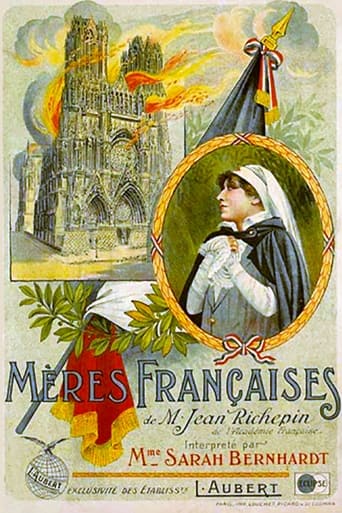
- Performed for soldiers on the front lines during World War I
- Continued acting after her right leg was amputated in 1915
- Was one of the first celebrities to endorse commercial products
- Spoke fluent English, German, and Italian in addition to French
- Was a skilled sculptor whose works were exhibited in Paris
- Once toured America earning the equivalent of millions in today's money
- Saved the Théâtre de la Porte Saint-Martin from bankruptcy
- Was the first major stage star to appear in motion pictures
- Had a personal railway carriage for her tours
- Published multiple books including memoirs and plays
- Was photographed by Nadar, helping create the modern celebrity portrait
In Their Own Words
Life begets life. Energy creates energy. It is by spending oneself that one becomes rich.
Once the curtain is raised, the actor ceases to be himself, and becomes the personage he is supposed to be.
I ask no better epitaph than that which my old friend Sarah Bernhardt placed upon my tomb: 'Here lies a good actress.'
The theatre is the finest branch of art. It is the only one which requires the use of all the faculties.
To be a great actor, you must have a great soul.
I love my art so much that I would die for it.
There are five kinds of actresses: bad actresses, fair actresses, good actresses, great actresses - and then there is Sarah Bernhardt.
Frequently Asked Questions
Who was Sarah Bernhardt?
Legendary French stage actress who became. Known as 'The Divine Sarah,' she was renowned for her dramatic performances and became one of the first international celebrities, successfully transitioning from theater to film in her later years.
What films is Sarah Bernhardt best known for?
Titles linked here include Queen Elizabeth (1912), Adrienne Lecouvreur (1913).
When was Sarah Bernhardt born and when did she die?
Born October 22, 1844; died March 26, 1923.
What awards did Sarah Bernhardt win?
While modern film awards didn't exist during her era, Bernhardt received France's highest honors including the Legion of Honour in 1914 and the Grand Cross of the Legion of Honour in 1921. She also received numerous international honors including orders from Russia, Romania, and Belgium, recognizing her contributions to the arts.
What was Sarah Bernhardt's acting style?
Bernhardt was known for her intensely emotional and melodramatic style typical of 19th-century theater, combining naturalistic elements with theatrical grandeur. She mastered physical expression, voice modulation, and dramatic timing, particularly excelling in tragic roles. Her transition to film required adapting these theatrical techniques for the intimacy of the camera, which she accomplished successfully despite beginning her film career in her late 60s.