Chen Qiang
Actor
Born: 1918 in Ninghe, Tianjin, China Died: June 26, 2012 Active: 1940s-1990s Birth Name: Chen Qiang (陈强)
Films
1 film
About Chen Qiang
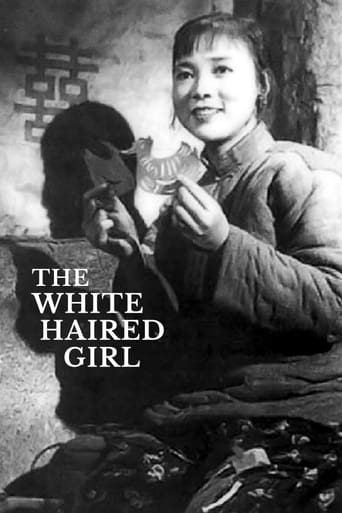
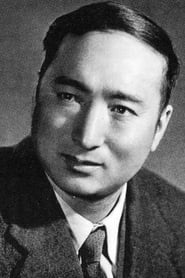
Chen Qiang (1918-2012) was a Chinese actor who became for his portrayal of villainous characters in mid-20th century Chinese cinema. Born in Ninghe, Tianjin, he began his acting career in theater before transitioning to film during the early years of the People's Republic of China. His breakthrough role came in 1951 when he played the cruel landlord Huang Shiren in the revolutionary classic 'The White-Haired Girl,' a performance that would define his career and establish him as China's premier villain actor. Throughout the 1950s and 1960s, Chen became typecast in antagonist roles but brought remarkable depth and complexity to each character, earning critical acclaim despite the negative nature of his characters. He survived the Cultural Revolution period and continued acting in films and television well into the 1980s and 1990s. Chen's legacy extends beyond his own performances through his son, Chen Peisi, who became one of China's most beloved comedians. He received numerous accolades for his contributions to Chinese cinema and is remembered as character actors in Chinese film history.
The Craft
On Screen
Chen Qiang was renowned for his methodical approach to playing villains, bringing psychological depth and complexity to antagonist roles. He employed a naturalistic style that made his villains terrifyingly believable, avoiding melodramatic overacting common in early Chinese cinema. His performances were characterized by subtle facial expressions, controlled body language, and a commanding screen presence that made even minor villainous roles memorable. Chen believed in understanding the motivations behind his characters' evil actions, often researching the psychological and social factors that created such personalities.
Milestones
- Breakthrough role as Huang Shiren in 'The White-Haired Girl' (1951)
- Became China's most recognizable villain actor
- Successfully transitioned from stage to film
- Mentored younger actors in Chinese cinema
- Father of famous comedian Chen Peisi
Best Known For
Iconic Roles
Must-See Films
Accolades
Won
- Outstanding Actor Award from the Chinese Film Association
- Lifetime Achievement Award from Chinese Film Directors Association
Nominated
- Hundred Flowers Award nominations for Best Supporting Actor
Special Recognition
- Recognized as one of China's most influential character actors
- Honored at multiple Chinese film festivals for his contributions to cinema
Working Relationships
Worked Often With
Studios
Why They Matter
Impact on Culture
Chen Qiang's portrayal of Huang Shiren in 'The White-Haired Girl' became an iconic representation of the cruel landlord class in revolutionary Chinese cinema, influencing how villains were portrayed in Chinese films for decades. His performances helped establish the visual and behavioral language of villainy in Chinese cinema, creating archetypes that would be referenced and parodied in later works. Despite being typecast as villains, Chen elevated these roles beyond simple caricatures, bringing psychological complexity that contributed to the artistic merit of revolutionary cinema.
Lasting Legacy
Chen Qiang is remembered as one of China's greatest character actors, particularly for his mastery of villainous roles. His work in 'The White-Haired Girl' remains a touchstone of Chinese cinema, studied by film students and referenced in popular culture. Beyond his own performances, his legacy continues through his son Chen Peisi and the many actors he influenced. Chen demonstrated that even in typecast roles, actors could bring artistry and depth, paving the way for more nuanced character acting in Chinese cinema.
Who They Inspired
Chen Qiang influenced generations of Chinese actors, particularly those specializing in character roles. His methodical approach to understanding villainous characters set a standard for psychological depth in antagonist portrayals. Many contemporary Chinese actors cite his performances as inspiration for bringing complexity to unsympathetic characters. His work also influenced how directors approached casting and directing villainous roles in Chinese cinema.
Off Screen
Chen Qiang was married and had children, including his famous son Chen Peisi who became a renowned comedian and actor. Despite playing villains on screen, Chen was known as a kind and generous person in real life, often mentoring young actors and contributing to charitable causes. He maintained a humble lifestyle despite his fame and was respected throughout the Chinese film industry for his professionalism and dedication to his craft.
Education
Early theater training in Tianjin, informal acting education through practical experience in theater troupes
Family
- Wife's name not publicly documented
Did You Know?
- Despite being famous for playing villains, Chen Qiang was known as a gentle and kind person in real life
- His son Chen Peisi became one of China's most beloved comedians, creating a fascinating contrast with his father's villainous roles
- The character of Huang Shiren in 'The White-Haired Girl' became so iconic that it influenced how Chinese cinema portrayed antagonists for decades
- Chen often said he enjoyed playing villains because they allowed more creative freedom and character exploration
- He survived the Cultural Revolution period, a difficult time for many artists in China
- His performance in 'The White-Haired Girl' was so convincing that some audience members reportedly had difficulty separating the actor from the character
- He continued acting well into his later years, appearing in both films and television productions
- Chen was known for his meticulous preparation for roles, often spending weeks researching and developing his characters
In Their Own Words
Playing a villain doesn't mean being evil; it means understanding why a person becomes evil
The best villains are those who make the audience understand, even if they cannot forgive
Acting is not about playing good or bad, but about playing truthfully
Frequently Asked Questions
Who was Chen Qiang?
Chinese with credits in this catalog.
What films is Chen Qiang best known for?
Titles linked here include The White-Haired Girl (1951), Red Detachment of Women (1961).
When was Chen Qiang born and when did he die?
Born 1918; died June 26, 2012.
What awards did Chen Qiang win?
Chen Qiang received numerous honors including the Outstanding Actor Award from the Chinese Film Association and Lifetime Achievement Award from Chinese Film Directors Association, recognizing his contributions to Chinese cinema.
What was Chen Qiang's acting style?
Chen Qiang was known for his naturalistic and psychologically complex approach to playing villains, bringing depth and authenticity to antagonist roles through subtle expressions and controlled body language.
Was Chen Qiang related to any other famous actors?
Yes, Chen Qiang was the father of Chen Peisi, who became one of China's most famous comedians and actors, creating an interesting contrast with his father's villainous roles.
How did Chen Qiang impact Chinese cinema?
Chen Qiang revolutionized the portrayal of villains in Chinese cinema, establishing new standards for psychological depth and complexity in antagonist roles that influenced generations of Chinese actors and filmmakers.