Films
2 films
About Gene Stone
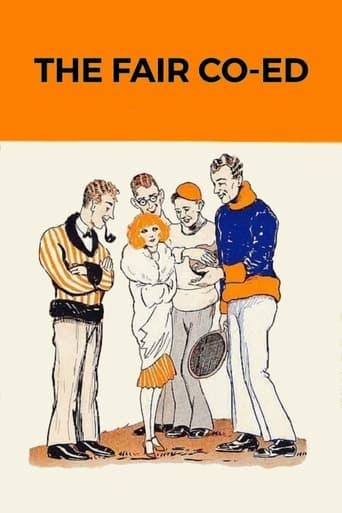
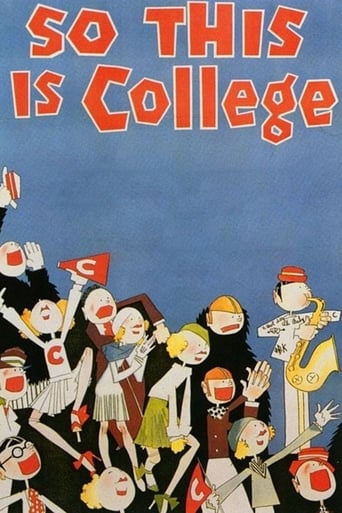
American actor who worked during the transitional period between silent films and early sound cinema in the late 1920s. His brief but notable career included appearances in two major MGM productions, 'The Fair Co-Ed' (1927) starring Marion Davies and 'So This Is College' (1929), which was one of MGM's early sound experiments. Stone was part of the studio system during Hollywood's Golden Age, working under contract to Metro-Goldwyn-Mayer during a period of rapid technological change in the film industry. His the crucial years when Hollywood was adapting to sound technology, making him part of the generation of actors who had to transition from silent performance to talking pictures. Unfortunately, like many character actors of his era, detailed records of his life and career are scarce, and his filmography appears to be limited to these two known productions. Stone represents the countless supporting players who contributed to Hollywood's classic films but whose names have faded from popular memory over the decades.
The Craft
Milestones
- Appeared in 'The Fair Co-Ed' (1927) starring Marion Davies
- Featured in 'So This Is College' (1929), one of MGM's early sound films
- Worked under contract to Metro-Goldwyn-Mayer during the silent-to-sound transition era
Best Known For
Must-See Films
Working Relationships
Studios
Why They Matter
Impact on Culture
Gene Stone's contribution to cinema, while limited in scope, represents the important role that character actors and supporting players played during Hollywood's formative years. As an actor working during the critical transition from silent films to talkies, he was part of the generation that helped bridge two distinct eras of filmmaking. His appearances in major MGM productions during this period demonstrate how studios relied on contract players to populate their films, creating the rich ensemble casts that characterized Golden Age Hollywood. While not a star whose name would be widely recognized today, actors like Stone were essential to the studio system's success and the creation of classic Hollywood cinema.
Lasting Legacy
Gene Stone's legacy is that of the countless supporting actors who formed the backbone of Hollywood's studio system during its golden age. Though his filmography is brief, his work in major MGM productions during the silent-to-sound transition places him within an important historical context of cinema. He represents the thousands of actors who contributed to classic films but whose names have been largely lost to time, serving as a reminder of the collaborative nature of filmmaking and the importance of every performer, no matter how small their role. His career, spanning only two known films, exemplifies the fleeting nature of fame for many character actors in early Hollywood.
Who They Inspired
As a minor character actor with a very brief filmography, Gene Stone's direct influence on other actors or filmmakers appears to be minimal. However, like all actors who worked during the transitional period of the late 1920s, he contributed to the evolution of acting styles as the industry adapted to sound technology. His work in early sound films helped pave the way for future generations of actors by participating in the experimentation and development of new performance techniques required for talking pictures.
Off Screen
Very little is known about Gene Stone's personal life, which is common for supporting actors from the silent era who did not achieve major stardom. Like many character actors of his time, he likely lived a relatively private life outside of his film work, and personal details were not extensively documented in contemporary press or film industry publications.
Did You Know?
- Gene Stone's entire known filmography consists of only two films, both produced by MGM
- He worked during
- 'The Fair Co-Ed' (1927) was a Marion Davies vehicle produced by William Randolph Hearst's company
- 'So This Is College' (1929) was one of MGM's early sound experiments, helping the studio navigate the new technology
- Like many contract players of his era, Stone was likely paid a weekly salary rather than per film
- His career was brief even by silent era standards, where many actors had longer careers
- No known interviews or personal writings from Stone survive, making him somewhat mysterious to film historians
- He represents the typical fate of many supporting actors from early Hollywood - remembered only through film credits
Frequently Asked Questions
Who was Gene Stone?
American with credits in this catalog. He was a contract player for Metro-Goldwyn-Mayer, appearing in 'The Fair Co-Ed' (1927) and 'So This Is College' (1929).
What films is Gene Stone best known for?
Titles linked here include The Fair Co-Ed (1927), So This Is College (1929).
When was Gene Stone active in films?
Gene Stone's known film active years covered from 1927 to 1929, covering the crucial period when Hollywood was transitioning from silent films to sound pictures. His entire known filmography consists of these two years.
What studio did Gene Stone work for?
Gene Stone worked under contract to Metro-Goldwyn-Mayer (MGM), one of the major Hollywood studios during the Golden Age. Both of his known films were MGM productions.
Why is so little known about Gene Stone?
Like many character actors and supporting players from the silent era, Gene Stone was not a major star, so extensive personal biographical information was not preserved in contemporary press or industry publications. This is common for actors who had brief careers or primarily played smaller roles.