Films
1 film
About Alice Archambeau
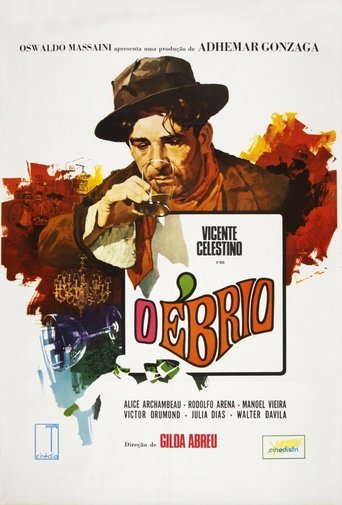
Alice Archambeau appeared in film during the mid-1940s, representing the countless supporting players who populated Hollywood productions during the Golden Age. Her only documented screen credit is in the 1946 adaptation of 'The Drunkard,' a film based on the popular 19th-century temperance play that had been a staple of American theater for decades. While her specific role in the production appears to have been minor, she was part of a cast that brought this classic morality tale to life during a transitional period in Hollywood history, following World War II. The film itself was typical of the era's family-friendly entertainment, carrying strong moral messages about the dangers of alcohol consumption that resonated with post-war American audiences. Unfortunately, detailed records about Archambeau's life and career are scarce, suggesting she may have been a character actress, a background player, or someone who briefly explored acting before pursuing other endeavors. Her single film credit places her among the vast network of performers who contributed to Hollywood's prolific output during the studio system era without achieving lasting fame or recognition.
The Craft
Milestones
- Appeared in 'The Drunkard' (1946)
Best Known For
Must-See Films
Why They Matter
Impact on Culture
As a minor character actress with only one known film credit, Alice Archambeau's cultural impact was limited to her contribution to 'The Drunkard' (1946). Like many supporting players of her era, she represents the vast network of performers who filled out the ensembles of Hollywood films during the studio system, even if their individual contributions were not widely documented or remembered. Her appearance in this temperance morality play places her within the context of post-war American cinema, which often emphasized traditional values and moral lessons as society adjusted to peacetime.
Lasting Legacy
Alice Archambeau's legacy is primarily preserved through her appearance in 'The Drunkard' (1946), a film that serves as an example of mid-1940s Hollywood morality plays and the industry's focus on family-friendly entertainment following World War II. While she did not achieve lasting fame, she is part of the historical record of Golden Age cinema, representing the countless actors who contributed to the era's prolific film output. Her story illustrates how many performers participated in Hollywood's golden era without leaving extensive biographical trails, making her representative of the working actors who formed the backbone of the studio system.
Who They Inspired
Due to the limited documentation of her career and the brevity of her film appearances, there is no significant record of Alice Archambeau's influence on other actors or filmmakers. Her contribution appears to have been confined to her single role in 'The Drunkard,' making her influence limited to that specific production rather than the broader film industry.
Off Screen
Very little information is available about Alice Archambeau's personal life, which is not uncommon for supporting actors from Hollywood's Golden Age who had brief or limited film careers. The lack of biographical details suggests she may have been a local talent or someone who appeared in films as a secondary occupation rather than as her primary profession.
Did You Know?
- Alice Archambeau's only known film appearance was in 'The Drunkard' (1946)
- The Drunkard was based on a popular 19th-century temperance play that had been performed for over 50 years before its film adaptation
- 1946 was a significant year in Hollywood, marking the first full year of post-war cinema production
- Many actors with brief careers like Archambeau's were often stage actors who occasionally appeared in films
- The lack of biographical information about Archambeau is typical for minor character actors of the era
- The Drunkard was one of many morality plays adapted into films during the 1940s
- Supporting actors like Archambeau were often paid daily rates rather than having long-term studio contracts
- The film industry in 1946 was experiencing a boom as audiences returned to theaters after wartime restrictions
- Many minor actors from this period have been lost to film history due to incomplete record-keeping
- The temperance movement, central to The Drunkard's plot, was still influential in American culture during the 1940s
Frequently Asked Questions
Who was Alice Archambeau?
Screen credits include one known film during Hollywood's Golden Age. Her only documented screen credit is in the 1946 film 'The Drunkard,' where she played a minor role in this adaptation of the classic temperance play that carried moral messages about the dangers of alcohol consumption.
What films is Alice Archambeau best known for?
Titles linked here include The Drunkard (1946).
When was Alice Archambeau born and when did she die?
Unfortunately, specific birth and death dates for Alice Archambeau are not available in historical records, which is common for minor character actors from Hollywood's Golden Age who had brief film careers. Her documented film work only spans the year 1946.
What awards did Alice Archambeau win?
There are no records of Alice Archambeau receiving any major film awards or nominations, which is typical for supporting actors with limited film credits during the studio era. Her contribution appears to have been confined to a single role without formal recognition.
What was Alice Archambeau's acting style?
Due to the limited documentation of her career and the brevity of her known film appearances, there is insufficient information to determine Alice Archambeau's specific acting style or techniques. Like many minor players of her era, her artistic approach remains undocumented in film history.
Why is there so little information about Alice Archambeau?
The scarcity of information about Alice Archambeau is typical of minor character actors from Hollywood's Golden Age who had brief careers. Many such performers were not extensively documented in film histories, especially if they appeared in only a few productions or had small roles that didn't attract critical attention.