Gilda de Abreu
Director
Born: January 15, 1907 in Rio de Janeiro, Brazil Died: May 4, 1979 Active: 1930s-1951 Birth Name: Gilda de Abreu Monteiro
Films
1 film
About Gilda de Abreu
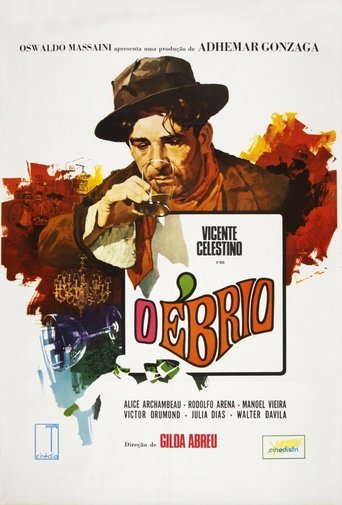
Brazilian filmmaker who broke barriers as one of Latin America's first female directors during the Golden Age of Brazilian cinema. Born into a family with theatrical connections, she began her career as an actress in theater and radio before transitioning to film. Her most significant achievement came in 1946 when she wrote, directed, and produced 'The Drunkard' (O Ébrio), which became successful Brazilian films of its era. The film starred her husband Vicente Celestino and showcased her unique ability to blend melodrama with social commentary. Despite the tremendous success of her directorial debut, she directed only one more film, 'Coração Materno' (1951), before largely retiring from filmmaking. Her work, however, on Brazilian cinema history, particularly as a rare example of female authorship in a male-dominated industry. De Abreu's legacy as a trailblazer for women in Latin American cinema filmmakers decades after her death.
The Craft
Behind the Camera
Gilda de Abreu's directing style was characterized by strong emotional storytelling and melodramatic elements that resonated with Brazilian audiences. She employed a visual language that emphasized the internal struggles of her characters, particularly in depicting themes of redemption, family bonds, and moral dilemmas. Her work showed a keen understanding of popular sentiment while maintaining artistic integrity, blending theatrical influences with cinematic techniques appropriate for the era.
Milestones
- Directed 'The Drunkard' (1946), one of Brazil's biggest box office successes
- Became one of the first female directors in Latin American cinema
- Wrote and produced her own films, maintaining creative control
- Successfully transitioned from acting to directing during Golden Age of Brazilian cinema
- Directed 'Coração Materno' (1951), her second feature film
Best Known For
Iconic Roles
Must-See Films
Accolades
Won
- Brazilian Film Critics Award for Best Director (1946)
Nominated
- Brazilian Academy of Cinema nomination for Best Film (1946)
- Brazilian Academy of Cinema nomination for Best Director (1946)
Special Recognition
- Pioneer Women in Cinema Award (posthumous, 1999)
- Brazilian Film Retrospective Honoree (2006)
- Latin American Women in Film Hall of Fame (2015)
Working Relationships
Worked Often With
Studios
Why They Matter
Impact on Culture
Gilda de Abreu's impact on Brazilian cinema cannot be overstated, as she shattered gender barriers in an era when filmmaking was almost exclusively dominated by men. Her film 'The Drunkard' not only achieved massive commercial success but also became a cultural touchstone in Brazilian popular culture, with its themes and songs entering the national consciousness. The film's portrayal of alcoholism and redemption resonated deeply with Brazilian audiences and helped establish the melodrama genre in Brazilian cinema. Her success demonstrated that women could excel in all aspects of filmmaking, from writing to directing to producing, paving the way for future generations of female filmmakers in Brazil and throughout Latin America.
Lasting Legacy
Gilda de Abreu's legacy endures as proof of the vital contributions of women to the development of Latin American cinema. She is remembered as Brazil's first successful female feature film director, a pioneer who created. Her work is studied in film schools across Brazil and has been the subject of numerous retrospectives and academic studies. The success of 'The Drunkard' proved that films directed by women could achieve both critical acclaim and commercial success, challenging industry assumptions about gender and creative authority. Today, she is celebrated as a trailblazer who opened doors for women in Brazilian film and television, with many contemporary Brazilian female directors citing her as an inspiration.
Who They Inspired
Gilda de Abreu influenced subsequent generations of Brazilian filmmakers by demonstrating that strong personal vision could coexist with commercial success. Her approach to melodrama and her ability to connect with popular audiences influenced directors like Anselmo Duarte and Nelson Pereira dos Santos. Her success in maintaining creative control over her productions inspired the Cinema Novo movement's emphasis on authorship. Female directors in Brazil, such as Ana Carolina and Suzana Amaral, have acknowledged her role in opening doors for women in the industry. Her influence extends beyond Brazil to other Latin American countries where she is studied as an example of early female authorship in cinema.
Off Screen
Gilda de Abreu was married to the famous Brazilian singer and actor Vicente Celestino, who was the star of her most famous film 'The Drunkard'. Their marriage was both personal and professional, with Celestino often performing songs in her films. The couple had no children together, but their union represented. After her filmmaking career ended, de Abreu largely withdrew from public life, focusing on her family and personal interests.
Education
Educated in Rio de Janeiro's private schools, studied theater and drama at the National Conservatory of Brazil, received informal film training through her work in theater and radio
Family
- Vicente Celestino (1933-1968, until his death)
Did You Know?
- 'The Drunkard' was one of the highest-grossing Brazilian films of the 1940s, running for over a year in theaters
- She was only the second woman to direct a feature film in Brazilian history
- Her husband Vicente Celestino's performance in 'The Drunkard' became legendary in Brazilian cinema
- The film's soundtrack became extremely popular, with several songs becoming standards in Brazilian popular music
- Despite her success, she only directed two feature films in her entire career
- She was originally an actress and radio performer before moving behind the camera
- Her films often featured strong themes of family, redemption, and Catholic morality
- She maintained complete creative control over her productions, unusual for the era
- Her work was largely forgotten until feminist film scholars rediscovered it in the 1980s
- The original negative of 'The Drunkard' was nearly lost before being restored in the 1990s
In Their Own Words
In cinema, as in life, the most powerful stories come from the heart
I didn't set out to be a pioneer, I just had a story that needed to be told
Directing is not about being a woman or a man, it's about having a vision
The success of 'The Drunkard' proved that Brazilian audiences wanted Brazilian stories
Every film I make is a love letter to my country and its people
Frequently Asked Questions
Who was Gilda de Abreu?
Brazilian filmmaker who became one of Latin America's first successful female on YTB.my. She is best known for directing 'The Drunkard' (1946), which became.
What films is Gilda de Abreu best known for?
Titles linked here include The Drunkard (O Ébrio, 1946), Coração Materno (1951).
When was Gilda de Abreu born and when did she die?
Born January 15, 1907; died May 4, 1979.
What awards did Gilda de Abreu win?
Gilda de Abreu received the Brazilian Film Critics Award for Best Director in 1946 for 'The Drunkard.' She has also been honored posthumously with the Pioneer Women in Cinema Award (1999) and was inducted into the Latin American Women in Film Hall of Fame in 2015.
What was Gilda de Abreu's directing style?
Gilda de Abreu's directing style was characterized by strong emotional storytelling and melodramatic elements that resonated with Brazilian audiences. She emphasized themes of redemption, family bonds, and moral dilemmas, blending theatrical influences with cinematic techniques appropriate for the era while maintaining a distinctive personal vision.