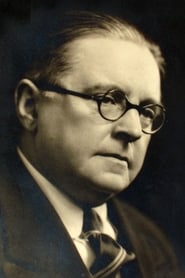
Nigel Playfair
Actor
- Born
- October 2, 1874, London, England, United Kingdom
- Died
- March 16, 1934
- Active
- c. 1900-1934
- Birth name
- Nigel Ross Playfair
Films 1
About Nigel Playfair
Nigel Playfair was a British stage actor, theatre manager, producer, and director who made a small but notable screen appearance in the silent film era, including a credited role in Masks and Faces (1917). He was born Nigel Ross Playfair into a prominent theatrical family and became far better known for his work in the theatre than for cinema, helping to shape modern British stage presentation in the early 20th century. Playfair was especially important as an interpreter and popularizer of comic and Restoration-style repertory, and he became a respected impresario through his association with London theatre management. His career was marked by a lively, sophisticated sense of theatrical entertainment, and he earned a reputation for reviving older plays with wit, polish, and commercial appeal. Although his film career was limited, his presence in Masks and Faces places him within the early British silent screen period, when many stage performers crossed into cinema. He later became an influential figure in British theatrical culture, remembered for his taste, management skill, and for helping bridge Edwardian stage traditions with modern professional theatre. Playfair's legacy is therefore more theatrical than cinematic, but he remains a recognizable name in classic British performance history.
More about Nigel Playfair
On screen
Playfair was associated with a polished, urbane, and highly theatrical performing style shaped by the British stage tradition rather than by naturalistic screen acting. He was well suited to light comedy, character work, and productions requiring verbal intelligence, social nuance, and an alert sense of timing. As with many stage-trained performers of his generation, his screen work would likely have emphasized clear physical expression and strong pictorial presence to suit silent cinema. Contemporary reputation suggests he brought sophistication and professional control to his roles, with an emphasis on wit and ensemble balance rather than flamboyant star display.
In film history
Nigel Playfair's cultural impact lies primarily in British theatre, where he helped shape the presentation of repertory and revival productions in a way that made older drama feel contemporary and entertaining. He represented a generation of stage professionals who valued both artistic polish and popular accessibility, influencing how classical comic material could be staged for modern audiences. His screen appearance in Masks and Faces connects him to the silent film era, but his broader importance comes from the cross-pollination between theatre and early British cinema. As a theatre manager and producer, he contributed to the professionalization of British stage entertainment and to the broader cultural circulation of restored and reinterpreted dramatic works.
Later reputation
Playfair is remembered as a significant British theatrical figure whose reputation has endured more strongly in stage history than in film history. His legacy rests on his ability to combine managerial acumen with performance instinct, helping audiences rediscover older plays through smart production choices and a lively style of presentation. In cinema history, he is a smaller but still interesting name from the silent era because his film credit reflects the movement of stage talent into early screen production. For historians of British performance, he stands as an example of the actor-impresario who helped define early 20th-century theatrical culture.
Influence
Playfair influenced later theatre practitioners by demonstrating that repertory and revival work could be both stylish and commercially successful. His example encouraged a professional approach to stage management that balanced taste, wit, and audience appeal. While he was not a major film influencer in the direct cinematic sense, his career is part of the broader tradition of stage-to-screen performers whose training helped shape early silent acting conventions. His work also contributed to the prestige of theatrical revivals in Britain, influencing the way comic classics were marketed and received.
Off screen
Nigel Playfair came from a theatrical background and built his life around the British stage world, where he was active as both performer and administrator. He was connected with London society and theatrical circles, and much of his public identity came through his work as a manager, producer, and reviver of repertory productions. Detailed information about his private family life is less commonly emphasized in film histories than his professional work, but he is consistently described in relation to his family name and theatrical milieu. His career suggests a life spent largely in the service of performance, theatre organization, and cultural leadership rather than screen stardom.
Education
Specific formal education is not well documented in readily available classic-cinema references; he was educated within the broader context of a cultivated English theatrical family and professional stage training.
Credits
- Became a prominent figure in London theatre as an actor and impresario in the early 20th century
- Gained special renown for revitalizing and popularizing comic and Restoration repertory productions
- Appeared in the silent film Masks and Faces (1917), one of his screen-era credits
- Served as an influential theatre manager and producer, helping define stylish commercial repertory presentation
- Helped establish a reputation for polished, witty stage revivals that appealed to both critics and audiences
Roles
- Supporting role in Masks and Faces (1917)
- Comic and Restoration stage roles associated with his London theatre work
Films
- Masks and Faces (1917)
Collaborators
- British theatre artists and production teams associated with London repertory and revival theatre
Studios
- British silent film production companies associated with Masks and Faces (1917)
Notes
- He was born Nigel Ross Playfair and is usually credited simply as Nigel Playfair.
- He was much more prominent as a theatre figure than as a screen actor.
- Masks and Faces (1917) is one of the few film credits by which he is remembered today.
- He was associated with British stage management and production as well as acting.
- He became known for elegant, witty revivals of older plays, especially comic repertory.
- His career reflects the close relationship between early British theatre and silent film.
- He came from a theatrical family background, which helped shape his career path.
- He is often discussed in theatre history as an impresario and revival specialist.
Questions
Who was Nigel Playfair?
Nigel Playfair was a British actor, theatre manager, producer, and director best known for his work in the London stage world. He also appeared in at least one silent film, Masks and Faces (1917), but his lasting reputation comes chiefly from theatre rather than cinema.
What films is Nigel Playfair best known for?
He is best known in film records for Masks and Faces (1917), his notable silent-era screen credit. However, his fame historically rests far more on stage revivals and theatre management than on a substantial film career.
When was Nigel Playfair born and when did he die?
Nigel Playfair was born on October 2, 1874, in London, England, United Kingdom. He died on March 16, 1934.
What awards did Nigel Playfair win?
No major film awards or formal screen honors are prominently recorded for Nigel Playfair in standard classic-cinema references. His recognition came mainly through theatrical reputation, critical respect, and his influence as a producer and stage manager.
What was Nigel Playfair's acting style?
His style was shaped by the British stage tradition, emphasizing wit, polish, and controlled comic timing. As a stage-trained performer in the silent era, he would have relied on strong physical expression and clear characterization rather than modern screen naturalism.
What is Nigel Playfair's legacy?
Nigel Playfair's legacy lies in his importance to British theatre as an impresario and revival specialist who helped make classical comic works appealing to modern audiences. In film history, he is remembered as a quiet but authentic silent-era presence whose name connects stage culture with early British cinema.