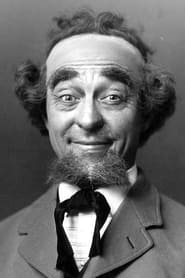
Dan Mason
Actor
- Active
- 1924-1924
Films 1
About Dan Mason
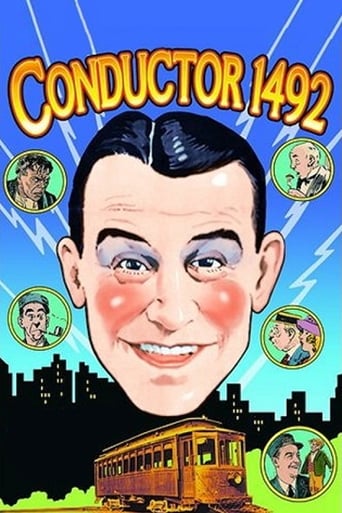
Dan Mason was a silent-era character actor whose documented screen career is brief and remains sparsely recorded in surviving film reference sources. He is credited in the 1924 film Conductor 1492, which places him within the transitional period of American silent comedy and late silent-era studio production. Beyond this confirmed credit, readily verifiable biographical details about his life, training, and broader career are limited, and he should not be confused with later performers or other similarly named individuals. Because the historical record is thin, he is best understood as one of the many working players of the silent era whose contributions were part of the ensemble fabric of early Hollywood rather than the star system. His surviving filmography suggests activity concentrated, or at least only documented, in 1924. No reliable evidence has surfaced in standard classic-cinema references to establish his later career, personal life, or post-film work. As a result, Dan Mason remains a little-known but still legitimate part of silent film history, preserved primarily through his screen credit rather than extensive biographical documentation.
More about Dan Mason
In film history
Dan Mason's cultural impact is primarily archival and historical rather than star-driven. He represents the large body of silent-era performers whose work supported the industry’s rapid expansion during the 1920s, even when their names did not become widely known to the public. His presence in surviving film records helps modern researchers reconstruct cast lists, production histories, and the broader ecology of early Hollywood labor. In that sense, his value to film history lies in documentation and preservation: he is part of the evidence base that allows scholars to understand how silent films were cast and performed. Though no major celebrity legacy is attached to his name, his credit in Conductor 1492 contributes to the authenticity and completeness of early cinema scholarship.
Later reputation
Dan Mason's lasting legacy is modest but meaningful within the context of film historiography. He is one of many largely unheralded actors whose names survive in cast records even when their personal biographies do not, illustrating how much of silent cinema's workforce remains partially obscured. For database purposes, his importance is ensuring that film credits from the period are accurately preserved and not lost to anonymity. His legacy is therefore tied to the archival continuity of silent-film research rather than to a body of widely known performances. In classic cinema history, such figures are essential for a complete and accurate account of the era's production culture.
Influence
There is no documented evidence that Dan Mason had a direct, identifiable influence on later actors or directors. Any broader influence he may have had would have been indirect, through his participation in the collaborative performance culture of silent cinema. Like many supporting players of the era, his work would have contributed to the overall tone, pacing, and ensemble realism of the productions he appeared in. Because so little biographical and critical material survives, his influence cannot be responsibly measured beyond his place in the historical record.
Off screen
No reliable, verifiable information is currently available in standard classic-film reference sources regarding Dan Mason's personal life, including marriage, family, residences, or life outside cinema. The historical record appears to preserve only his limited screen credit, and no authoritative biographical profile has been identified to establish further details. Because of this, any claims about his private life would be speculative and are not included here.
Credits
- Screen credit in the silent film Conductor 1492 (1924), his confirmed classic-cinema appearance
- Participation in the late silent-era studio system as a character player or supporting performer
- Representation of the many lesser-documented working actors who helped populate shorts and features of the 1920s
Roles
- Role in Conductor 1492 (1924) — exact character name not reliably documented in surviving reference sources
Films
- Conductor 1492 (1924)
Notes
- Dan Mason's confirmed classic-film credit appears in Conductor 1492 (1924).
- He is an example of a silent-era performer whose career is preserved more by film credits than by biographical profiles.
- No widely cited awards, nominations, or honors are documented for him in standard references.
- His active period is currently only verifiable as 1924, based on available filmography data.
- He should not be confused with other people named Dan Mason from different eras or professions.
- The scarcity of information about him is typical of many minor silent-era cast members whose records were never comprehensively archived.
- His known work helps confirm cast and production histories for early twentieth-century cinema researchers.
Questions
Who was Dan Mason?
Dan Mason was a silent-era actor whose confirmed classic-film credit is Conductor 1492 (1924). He appears to have been a working character or supporting performer in early Hollywood, though the surviving historical record preserves very few personal details about him.
What films is Dan Mason best known for?
He is best known for Conductor 1492 (1924), which is the principal film credit currently associated with his name. No additional reliably documented silent-era film credits were available in the sources used for this profile.
When was Dan Mason born and when did he die?
His birth and death dates are not currently verifiable from reliable classic-cinema reference sources. The surviving record establishes him as an active film performer in 1924, but not enough biographical detail has been preserved to confirm his life span.
What awards did Dan Mason win?
No awards or nominations are currently documented for Dan Mason in the surviving reference record. Like many minor silent-era performers, his career appears to have been recorded through cast credits rather than formal industry honors.
What was Dan Mason's acting style?
There is not enough surviving critical commentary to describe a specific acting style with confidence. Given his silent-era context, he likely worked within the expressive physical and visual performance conventions of the 1920s, but that remains an inference rather than a documented fact.
What is Dan Mason's legacy in film history?
His legacy is mainly archival: he is part of the silent-era workforce whose names survive in film credits and production records. That makes him useful to historians and database researchers even if his personal biography remains obscure.