Conductor 1492
Plot
A young Irish immigrant, eager to make his way in America, lands a job as a streetcar conductor and quickly finds himself in the middle of a fight over the future of the transit company. While learning the ropes of the job, he wins the affection of the boss’s beautiful daughter, which gives the story its romantic thread and also places him in the sights of rivals and schemers. Crooks attempt to gain control of the company through underhanded methods, and the new conductor is forced to prove his courage and resourcefulness in order to protect both his livelihood and the girl he loves. The film builds its comedy around workplace mishaps, ethnic good humor, and physical chase sequences typical of Johnny Hines vehicles from the silent era. By the end, the hero’s persistence and integrity allow him to outwit the villains and earn both the respect of the company and the promise of romance.
About the Production
Conductor 1492 was produced as a silent-era comedy vehicle for Johnny Hines, one of the more popular screen comedians of the mid-1920s. The film was directed by Charles Hines, Johnny Hines’s brother, which reflects the family-and-collaborator structure often found in star-centered comedy production of the period. Like many 1920s studio comedies, it appears to have relied on gag construction, broad characterization, and energetic physical performance rather than elaborate production design. Precise production records such as budget, shooting schedule, and exact filming locations are not readily documented in surviving public sources, which is common for many mid-tier silent comedies.
Historical Background
Conductor 1492 was released in 1924, during the late silent-film era, when American studios were producing a wide range of comedy features to satisfy exhibitors and audiences looking for light entertainment. The period was marked by rapid urbanization, the continued cultural importance of immigrant assimilation stories, and the popularity of films that turned ordinary jobs and city life into comic adventures. Streetcars were an especially recognizable feature of modern city living, so placing the action on a transit line allowed the film to connect with everyday experiences while also generating visual opportunities for movement, chaos, and pursuit. In the broader cinema landscape, the movie belongs to the era when comedians like Johnny Hines, Harold Lloyd, and others were helping define the energetic, optimistic tone of 1920s American comedy.
Why This Film Matters
The film is significant as a surviving example, or at least a documented representative, of the kind of mid-level silent comedy that filled American theaters between prestige productions and short comedies. Its immigrant-hero storyline and streetcar setting reflect common social themes of the era: belonging, upward mobility, labor, and the negotiation of urban modernity. While it is not generally considered a landmark title in the history of cinema, it contributes to our understanding of how silent comedies used everyday American institutions—workplaces, transit, city streets, and family businesses—as comic battlegrounds. For Johnny Hines’s career, it is part of the body of work that showcases his popularity before sound fundamentally reshaped the comic screen.
Making Of
Conductor 1492 was mounted as a star vehicle for Johnny Hines, whose screen persona depended on physical agility, sympathetic underdog appeal, and a knack for broad comic timing. Having Charles Hines in the director’s chair likely helped keep the production aligned with the comedian’s established screen rhythm and gag style. The film’s premise suggests that the production emphasized serviceable urban sets, streetcar-related business, and chase-oriented comedy rather than expensive spectacle. As with many First National comedies of the period, the emphasis would have been on pacing, visual clarity, and the efficient delivery of gags for a mass audience. Surviving detailed production notes are limited, so many specifics about casting choices, shooting problems, or post-production changes are not widely documented.
Visual Style
Specific shot-by-shot cinematographic commentary is limited by the scarcity of detailed surviving production documentation, but the film would have been photographed in the functional, high-clarity style typical of mid-1920s silent comedy features. Streetcar action would have required careful framing to keep moving vehicles, actors, and gag business readable in long or medium shots. Silent comedies of this kind often depended on crisp visual staging, exaggerated reaction shots, and clean spatial geography so that physical humor landed effectively without dialogue. The film likely used straightforward camerawork rather than highly stylized visual effects, prioritizing legibility, pace, and performance.
Innovations
The film does not appear to be associated with major technical innovations, but it belongs to the highly developed craft tradition of silent comedy filmmaking. Its technical value lies in the coordinated staging of physical humor, streetcar-related action, and clear narrative momentum in a modest feature format. If surviving in any form, it is also important as a documentation of period production methods, title-card storytelling, and the visual economy required before synchronized sound. The movie’s practical achievement is its ability to turn a simple transit-company premise into a coherent comic feature.
Music
As a silent film, Conductor 1492 would not have had a synchronized recorded soundtrack. It would originally have been exhibited with live musical accompaniment, which could range from a single pianist in smaller venues to a theater orchestra in larger houses. Surviving sources do not identify a specific cue sheet, original commissioned score, or standardized musical arrangement. Any music heard today in restorations or archive screenings is generally a later accompaniment selected for presentation rather than an original fixed soundtrack.
Famous Quotes
No verified surviving dialogue quotes are documented for this silent film.
Intertitles may vary by surviving print or restoration, and no standard quoted lines are widely recorded.
Memorable Scenes
- The streetcar-conductor setup, which turns an ordinary city job into the basis for comic action and social ambition.
- The hero’s clashes with the crooks attempting to seize control of the company, providing the film’s action-comedy tension.
- The romantic pursuit of the boss’s daughter, which links the workplace plot to classic silent-era courtship comedy.
- Any streetcar chase or mobility-based gag sequence that would have used the moving vehicle as a source of visual humor.
Did You Know?
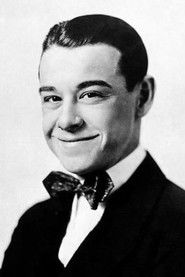
- The film stars Johnny Hines, who was a major silent-comedy performer and a frequent vehicle actor for First National Pictures.
- Charles Hines, the director, was Johnny Hines’s brother, making this a family collaboration in the tradition of many star-led silent comedies.
- The title is a play on the hero’s Irish immigrant identity, with the number "1492" humorously invoking the idea of discovery and arrival.
- The plot combines immigrant-comedy, workplace comedy, romance, and a corporate villainy storyline, a blend that was popular in lighthearted 1920s features.
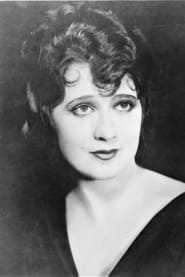
- Doris May appears as the boss’s daughter, fitting the era’s frequent use of a romance subplot to balance comedy and melodrama.
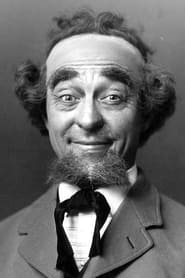
- Dan Mason, a familiar supporting player of the silent era, appears among the cast, lending the production a seasoned character-actor presence.
- The film is representative of the many modest-budget American comedies made for the exhibitors’ market during the height of silent features.
- Because many silent films survive incompletely or not at all, documentation for this title is scarcer than for major studio comedies of the same period.
- The film reflects early-20th-century fascination with urban transportation and working-class mobility, using the streetcar as both setting and comic engine.
- Its storyline of a newcomer battling corrupt forces while pursuing upward mobility mirrors a common American-dream narrative in silent popular entertainment.
What Critics Said
Contemporary detailed critical coverage is not widely preserved in readily accessible modern sources, so the film’s exact critical reception cannot be reconstructed in full confidence. As a 1924 comedian-led silent feature, it would likely have been reviewed in trade and regional press primarily as a light entertainment item, with attention to Johnny Hines’s performance, gag construction, and audience appeal. In modern film history, the title tends to be treated as a lesser-known entry in the silent comedy canon rather than a major rediscovered masterpiece. Its current critical standing is therefore mostly archival and historical, valued for completeness of the record and for what it reveals about popular taste in the 1920s.
What Audiences Thought
There is no robust surviving box-office record or nationwide audience-survey data for the film, so audience reception can only be inferred from its production as a star vehicle by a major distributor. Johnny Hines was sufficiently popular to support feature-length comedies, which suggests that the film was made for a receptive mass audience familiar with his style. Viewers of the period generally favored fast-moving comedies with romance, social aspiration, and physical humor, all of which this film appears to supply. Today, audience interest is mostly likely to come from silent-film enthusiasts, archive viewers, and researchers exploring neglected comedians of the 1920s.
Film Connections
Influenced By
- The immigrant-comedy and social-aspiration formulas common in American silent films of the early 1920s
- Workplace comedies built around everyday jobs and city life
- Physical comedy traditions associated with vaudeville and silent-era slapstick
This Film Influenced
- Later working-class and workplace comedies that use an ordinary job as a site for romance and conflict
- Subsequent immigrant-hero comedies in silent and early sound cinema
You Might Also Like
More Comedy Films
View allFilm Restoration
Preservation status is not firmly documented in the readily available sources consulted here. The film is historically referenced by title and cast, but no universally cited full restoration status is widely established in public reference material. It may survive in archive holdings or as an incomplete print, but it should be treated cautiously until verified by a major film archive catalogue. For database purposes, the safest description is that preservation details are uncertain and should be checked against archival holdings.