
Doris May
Actor
- Active
- 1921-1924
Films 2
About Doris May
Doris May was a child and juvenile film actor of the silent era whose screen career was brief but notable during the early 1920s. She is credited in at least two surviving filmographies, including Peck's Bad Boy (1921) and Conductor 1492 (1924), placing her work squarely in the late silent period when child performers were often cast in sentimental family comedies and domestic dramas. Very little biographical information has survived in widely accessible reference sources, which is not unusual for lesser-documented silent-era performers, especially those whose careers were short and who worked primarily in supporting or juvenile roles. Her screen appearances suggest she was active during the years when film studios relied heavily on young players to provide emotional appeal and comic energy. No reliable evidence has been found in standard classic-cinema references for an extended later career in sound films, stage work, or behind-the-camera work. Because of the scarcity of surviving documentation, much of her personal life, training, and later life remain unknown to present-day researchers. Even so, her credited appearances preserve her place in silent-film history as one of the many youthful performers who contributed to the era's family-oriented shorts and features.
More about Doris May
On screen
No detailed contemporary reviews of Doris May's performance style have been reliably located in accessible reference sources. Given the nature of the films in which she appeared, her work likely depended on the expressive physicality, readable facial reactions, and clear emotional timing typical of silent-era juvenile acting. Child performers in this period were expected to project innocence, mischief, and pathos without spoken dialogue, so her screen presence would have been shaped by gestures, movement, and comic or sentimental timing. Beyond that general silent-film context, there is not enough verified evidence to describe a distinctive personal technique.
In film history
Doris May's cultural impact is best understood as part of the larger silent-film ecosystem rather than through a large surviving star persona. Performers like her helped populate the domestic comedies, juvenile features, and short-form entertainment that were central to silent-era popular culture. Her credited work in the early 1920s reflects the industry’s reliance on child and adolescent performers to create emotional immediacy and broad audience appeal in family-oriented storytelling. While she does not appear to have achieved the fame of the era's marquee child stars, her film credits contribute to the historical record of how silent films used youthful characters to shape comedy, sentiment, and social values.
Later reputation
Her legacy lies primarily in preservation and film history rather than in celebrity memory. Because so many silent-era performers left behind scant documentation, even a small number of surviving credits matters: it confirms participation in the production culture of early Hollywood and helps scholars reconstruct cast lists, studio practices, and the careers of lesser-known players. Doris May stands as an example of the many child and juvenile actors whose work supported the silent film industry but who did not always transition into more heavily documented adult careers. For researchers, her name is part of the broader effort to recover and acknowledge the contributions of forgotten performers from early American cinema.
Influence
There is no verified evidence that Doris May directly mentored other performers or exerted a documented influence on later actors or directors. Her influence is therefore indirect and historical: she is representative of the silent-era juvenile performer whose work helped establish performance conventions for children on screen. In that sense, her career belongs to the continuum that shaped how later film industries presented youth, innocence, and comic misbehavior in family entertainment. Her surviving credits serve as a reminder of the many uncelebrated contributors whose performances formed the texture of early cinema.
Off screen
Reliable public biographical information about Doris May's personal life is extremely limited. Standard readily available film reference sources do not clearly document her family background, marriages, or later life, and no verified record has been found here that would justify speculating about those details. This lack of surviving documentation is common for many silent-era performers, especially those who worked briefly and outside the major star system. As a result, her off-screen life remains largely unknown to modern audiences and researchers.
Education
No verified educational background has been located in accessible classic-cinema reference sources.
Credits
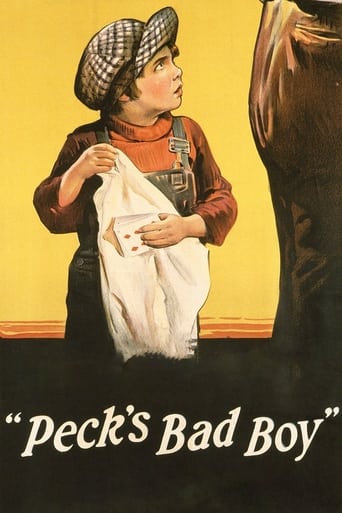
- Appeared in the silent-era film Peck's Bad Boy (1921)
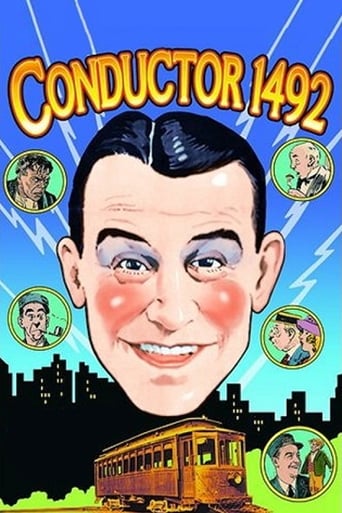
- Appeared in the silent-era film Conductor 1492 (1924)
- Worked during the final years of the mature silent-comedy and juvenile-performance tradition in American cinema
- Represents the cohort of child and juvenile players whose screen work helped define family entertainment in the 1920s
Roles
- Juvenile role in Peck's Bad Boy (1921)
- Juvenile or supporting role in Conductor 1492 (1924)
Films
- Peck's Bad Boy (1921)
- Conductor 1492 (1924)
Notes
- Doris May's surviving screen credits place her in the late silent era, when many films were still made without synchronized sound.
- She is credited in Peck's Bad Boy (1921), a title associated with the popular 'bad boy' comic tradition in American entertainment.
- Her known filmography is very small, which is common for child and juvenile players whose careers were brief.
- She appears in Conductor 1492 (1924), showing that she remained active at least into the mid-1920s.
- No widely cited biography, memoir, or major-reference entry with full life details is readily available for her.
- Because of the scarcity of records, she is of particular interest to silent-film researchers who reconstruct lesser-known cast lists.
- Her career illustrates how many early film performers worked without achieving lasting star status but still contributed to studio output.
Questions
Who was Doris May?
Doris May was a silent-era actor active in the early 1920s. She is known from surviving film credits rather than from a large body of preserved biography, and her work appears to have been in juvenile or supporting roles.
What films is Doris May best known for?
She is known for Peck's Bad Boy (1921) and Conductor 1492 (1924). These are the principal surviving screen credits associated with her in accessible film references.
When was Doris May born and when did she die?
Her birth and death dates are not reliably documented in the available classic-cinema reference material consulted here. As with many lesser-documented silent-era performers, the historical record is incomplete.
What awards did Doris May win?
No awards or major nominations have been verified for Doris May in the available record. She appears to have worked during a period when many child and supporting performers were not widely publicized with formal honors.
What was Doris May's acting style?
Her specific style is not described in surviving reviews that are readily accessible, but silent-era juvenile performers typically relied on expressive gestures, clear facial reactions, and physical timing. Her roles would have required the ability to communicate emotion and comedy without spoken dialogue.
What is Doris May's legacy in film history?
Her legacy is as part of the overlooked workforce of silent cinema. Even with only a small known filmography, she represents the many child and juvenile performers who helped shape early Hollywood storytelling and family entertainment.