
Films
2 films
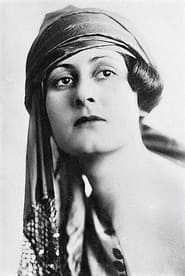
About Marcia Manon
The 1918 film Stella Maris is the only title linked here for Marcia Manon. Her career was notably brief, with her only known film credit being in the 1918 production 'Stella Maris,' one of Mary Pickford's most celebrated silent films. As a supporting actress during the golden age of silent cinema, Manon was part of the vast ensemble of performers who contributed to Hollywood's formative years. Her appearance in 'Stella Maris' placed her alongside one of the era's biggest stars, though her role was relatively minor compared to Pickford's dual leading performance. The film itself was a critical and commercial success, showcasing the sophisticated storytelling techniques that silent cinema had developed by 1918. Manon's career appears to have been limited to this single year, which was not uncommon for many supporting actors of the period who might appear in only one or two productions before pursuing other careers. Her brief tenure in film coincided with the peak of silent cinema's artistic achievements, just before the industry would undergo massive changes with the advent of sound.
The Craft
Milestones
- Appeared in 'Stella Maris' (1918) alongside Mary Pickford
- Worked during the peak of silent cinema's artistic achievement
- Participated in
Best Known For
Iconic Roles
Must-See Films
Working Relationships
Worked Often With
Studios
Why They Matter
Impact on Culture
Marcia Manon's cultural impact is primarily through her participation in 'Stella Maris,' a film that represents one of the high points of silent cinema and Mary Pickford's career. While her individual contribution was as a supporting player, she was part of an ensemble that helped create what many film historians consider a masterpiece of silent storytelling. The film itself demonstrated the sophisticated narrative techniques possible in silent cinema, including dual roles performed by the same actress, complex emotional storytelling without dialogue, and innovative cinematography. Manon's involvement, however brief, places her within the historical context of Hollywood's formative years when the industry was establishing its artistic conventions and star system.
Lasting Legacy
Marcia Manon's legacy is preserved primarily through film archives and historical documentation of 'Stella Maris' (1918). As one of the countless supporting actors who contributed to early Hollywood, she represents the vast community of performers who helped build the foundation of American cinema, even if their names are not widely remembered today. Her appearance in a film of such historical significance ensures that her contribution to cinema history, however small, is documented and preserved for future generations of film scholars and enthusiasts studying the silent era.
Who They Inspired
Due to her extremely brief career and limited filmography, Marcia Manon's direct influence on subsequent generations of actors or filmmakers is not documented. However, like many supporting actors from the silent era, she contributed to the collective body of work that established acting conventions and techniques that would influence future performers. Her participation in a critically acclaimed film helped demonstrate the ensemble nature of filmmaking, where even minor roles contribute to the overall artistic success of a production.
Off Screen
Very little is documented about Marcia Manon's personal life, which was common for many supporting actors from the silent era whose careers were brief and who did not achieve star status. Her limited filmography suggests she may have pursued acting as a temporary endeavor before moving on to other professional pursuits, as was typical for many performers during this period of early Hollywood.
Did You Know?
- Her entire known film active years covered only one year - 1918
- 'Stella Maris' was her only known film credit
- She worked with Mary Pickford during Pickford's peak as 'America's Sweetheart'
- The film 'Stella Maris' was
- Her career coincided with the final years of World War I, a period of significant change in Hollywood
- Supporting actors like Manon often worked without screen credit in early films
- Many actors from this period with brief careers may have been stage actors transitioning to film
- The film industry in 1918 was still establishing the star system that would dominate Hollywood
Frequently Asked Questions
Who was Marcia Manon?
Silent film actress active in 1918, known primarily for her appearance in the acclaimed film 'Stella Maris' starring Mary Pickford. Her career was extremely brief, spanning only one year, making her one of many supporting actors from the silent era who had limited filmographies.
What films is Marcia Manon best known for?
Titles linked here include Stella Maris (1918).
When was Marcia Manon born and when did she die?
Specific birth and death dates for Marcia Manon are not documented in available historical records, which was common for many supporting actors from the silent era who had brief careers. Her only known professional activity was in 1918.
What awards did Marcia Manon win?
There are no documented awards or nominations for Marcia Manon, which was typical for supporting actors during the silent era, particularly those with very brief careers. The Academy Awards were not established until 1929, after her known career had ended.
What was Marcia Manon's acting style?
Specific details about Marcia Manon's acting style are not documented in available sources, likely due to her extremely brief career and limited filmography. As a silent era performer, she would have used the exaggerated gestures and facial expressions characteristic of acting in films without synchronized dialogue.