Films
1 film
About Heinz Stieda
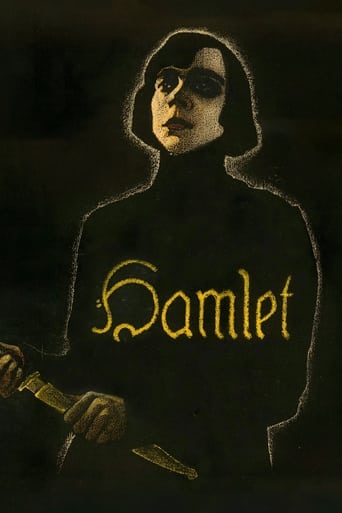
The 1921 film Hamlet is the only title linked here for Heinz Stieda. His most notable and possibly only known film appearance was in the 1921 German production of Hamlet, directed by Svend Gade and Heinz Schall. This avant-garde adaptation featured Danish silent film star Asta Nielsen in the title role of Hamlet, making it one of the earliest examples of gender-bending in cinema. Stieda played a supporting role in this ambitious production, which was significant for its experimental approach to Shakespeare and its exploration of psychological themes. Like many actors of the silent era who appeared in only a handful of films, detailed records of his career and personal life are scarce. The 1920s was a period of tremendous creativity in German cinema, and actors like Stieda contributed to this golden age even if their individual careers were brief or undocumented. His participation in this historically important adaptation of Hamlet represents his primary contribution to cinema history.
The Craft
Milestones
- Appeared in the groundbreaking 1921 German adaptation of Hamlet
Best Known For
Iconic Roles
Must-See Films
Working Relationships
Worked Often With
Why They Matter
Impact on Culture
Heinz Stieda's contribution to cinema, while modest, is part of the broader tapestry of German Expressionist cinema of the early 1920s. His participation in the 1921 Hamlet places him within the context of. The film itself was significant for its bold interpretation of Shakespeare and its casting of Asta Nielsen as Hamlet, challenging gender norms and theatrical conventions. While Stieda was not a leading figure, supporting actors like him were essential to the ensemble productions that characterized this era of European cinema. The preservation of his name in film credits represents the importance of recognizing all contributors to cinematic art, regardless of their level of fame.
Lasting Legacy
Heinz Stieda's legacy is primarily tied to his association with the innovative 1921 Hamlet production, which remains a subject of study for film scholars interested in early avant-garde cinema and gender performance in film. Like many actors from the silent era who had brief careers or appeared in only a few films, his contribution represents the collaborative nature of filmmaking during cinema's formative decades. The fact that his name survives in film historical records demonstrates the ongoing scholarly interest in documenting even minor participants in significant cinematic works. His legacy serves as a reminder of the thousands of actors who contributed to the early cinema history, even if their individual stories remain largely untold.
Who They Inspired
As a minor actor from the silent era, Heinz Stieda's direct influence on subsequent generations of performers is difficult to trace. However, his participation in an experimental film like Hamlet (1921) places him within the broader movement of German cinema that would influence filmmakers worldwide. The artistic boldness of productions like Hamlet helped establish cinema as a legitimate art form capable of complex literary adaptation and psychological depth. While Stieda himself may not have directly mentored or influenced other artists, his contribution to this important work makes him part of the foundational generation that expanded cinema's artistic possibilities during its transition from novelty to art form.
Off Screen
Very little is documented about Heinz Stieda's personal life, which was common for minor supporting actors in the silent era who did not achieve lasting fame.
Did You Know?
- The 1921 Hamlet film in which Stieda appeared was one of the earliest examples of gender-bending in cinema, with Asta Nielsen playing the title role
- German cinema in the early 1920s was experiencing its golden age, with films like Hamlet pushing artistic boundaries
- The 1921 Hamlet was an international co-production between Germany and Denmark
- Silent film actors like Stieda often had to convey emotion purely through physical expression and facial gestures
- Many supporting actors from the silent era appeared in only a handful of films before leaving the industry
- The 1920s saw tremendous innovation in film techniques, with German Expressionism leading the way artistically
- Film preservation efforts have saved many works from this era, though some actors' complete filmographies remain incomplete
Frequently Asked Questions
Who was Heinz Stieda?
German with credits in this catalog. His career appears to have been brief, with this being his most documented film role.
What films is Heinz Stieda best known for?
Titles linked here include Hamlet (1921).
When was Heinz Stieda born and when did he die?
Specific birth and death dates for Heinz Stieda are not documented in available film historical records, which is common for minor actors from the silent era.
What was significant about the 1921 Hamlet film?
The 1921 Hamlet was groundbreaking for its experimental approach to Shakespeare and for casting Asta Nielsen as Hamlet, making it one of cinema's earliest examples of gender-bending performance.
Why is so little known about Heinz Stieda?
Limited documentation of Heinz Stieda's life and career is typical for supporting actors from the silent era who did not achieve lasting fame, as film industry records from this period were often incomplete.