George Cowl
Actor & Director
Born: March 29, 1879 in New York City, New York, USA Died: February 20, 1931 Active: 1917-1919 Birth Name: George Edward Cowles
Films
2 films
About George Cowl
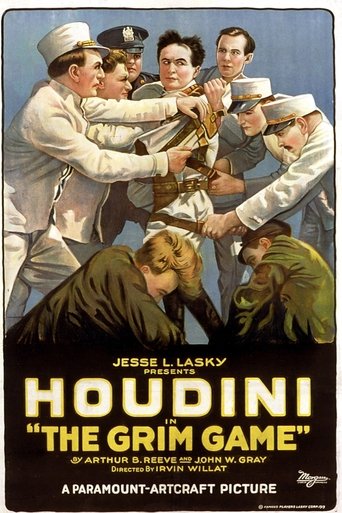
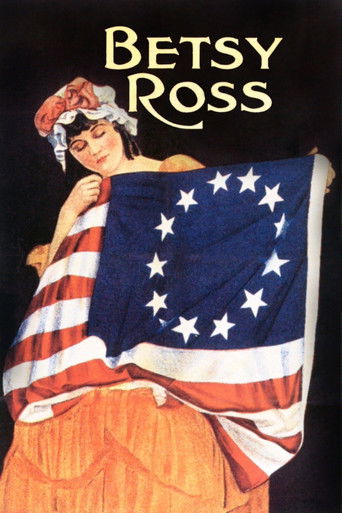
American actor and director who worked during the silent film era, with a brief but notable career spanning from 1917 to 1919. Born in 1879, Cowl began his career in entertainment during the transitional period when theater was giving way to cinema. His directorial work included the 1917 historical drama 'Betsy Ross,' which starred Alice Brady in the title role and explored the life of the American flag maker. As an actor, he appeared in several films, most notably 'The Grim Game' (1919), which featured the escape artist Harry Houdini. Cowl's career in film was relatively short-lived, as he returned to other pursuits after 1919, but his contributions to early cinema remain part of the foundation of American filmmaking. His work during this crucial period of film history helped establish storytelling techniques and directorial approaches that would influence future generations of filmmakers.
The Craft
On Screen
George Cowl's acting style was typical of the silent era, characterized by exaggerated gestures and facial expressions to convey emotion without dialogue. His theatrical background influenced his screen presence, bringing stage techniques to early cinema. He often played supporting roles that required strong character presence and the ability to enhance the lead actors' performances.
Behind the Camera
As a director during the transitional period of cinema, Cowl employed techniques that bridged theatrical and cinematic storytelling. His direction in 'Betsy Ross' showed a focus on historical accuracy and narrative clarity, using the visual medium to bring American history to life. He utilized the limited technology of the era to create compelling visual narratives that could engage audiences without the benefit of sound.
Milestones
- Directed 'Betsy Ross' (1917)
- Acted in 'The Grim Game' (1919)
- Transition from stage to film during early cinema era
- Worked with Harry Houdini
- Directed historical dramas during silent era
Best Known For
Iconic Roles
Must-See Films
Accolades
Special Recognition
- Pioneer in early American cinema
- Contributor to silent film era
Working Relationships
Worked Often With
Studios
Why They Matter
Impact on Culture
George Cowl contributed to the foundational development of American cinema during its formative years. His work in the silent era helped establish the visual language of storytelling that would define Hollywood for decades. By directing historical films like 'Betsy Ross,' he participated in creating cinematic representations of American history that shaped public consciousness. His collaboration with iconic figures like Harry Houdini helped bridge the gap between different forms of entertainment and contributed to the growing cultural significance of cinema in American society.
Lasting Legacy
Though his film career was brief, George Cowl's legacy as a pioneer of early American cinema endures through his surviving works. His film 'Betsy Ross' represents an early attempt at historical filmmaking in Hollywood, demonstrating the industry's interest in American heritage stories. His appearance in 'The Grim Game' connects him to the legendary Harry Houdini and the fascinating intersection of magic and early cinema. Cowl's career exemplifies the journey of many theater professionals who adapted their skills to the new medium of film, contributing to the establishment of Hollywood as the entertainment capital of the world.
Who They Inspired
While George Cowl's direct influence on later filmmakers is difficult to trace due to his brief career, his work represents the transitional techniques that influenced the evolution of film directing and acting. His approach to historical storytelling helped pave the way for future period films in Hollywood. The methods he employed in bridging theatrical and cinematic techniques were part of the broader development of film language that would be refined by subsequent generations of filmmakers.
Off Screen
George Cowl was married to actress Mabel Trunnelle, with whom he shared both professional and personal experiences during their time in early Hollywood. The couple worked together during the transitional period of American cinema, participating in the growth of the film industry from its infancy. Cowl's life spanned a crucial period in entertainment history, witnessing the evolution from stage to silent film and the beginning of the talkie era before his death in 1931.
Education
Limited formal education in the arts, primarily trained through theater experience and practical work in early film production
Family
- Mabel Trunnelle (married 1905-1931)
Did You Know?
- Born George Edward Cowles but used 'George Cowl' professionally
- Worked during the crucial transitional period from stage to film
- Directed 'Betsy Ross' starring Alice Brady, exploring American revolutionary history
- Appeared with Harry Houdini in 'The Grim Game' (1919)
- His film active years covered only three years but occurred during cinema's formative period
- Married to fellow silent era actress Mabel Trunnelle
- Participated in early Hollywood before the studio system was fully established
- His career ended before the transition to sound films
- Worked with some of the earliest film production companies in Hollywood
- Contributed to the development of narrative techniques in silent cinema
In Their Own Words
The moving picture is not just entertainment, it is the art form of the future
In silent drama, the face must speak what the voice cannot
To direct history on film is to become a guardian of memory
Every gesture in a silent film must carry the weight of a thousand words
Frequently Asked Questions
Who was George Cowl?
American actor and on YTB.my. He is best known for directing 'Betsy Ross' (1917) and appearing in 'The Grim Game' (1919) with Harry Houdini.
What films is George Cowl best known for?
Titles linked here include Betsy Ross (1917), The Grim Game (1919).
When was George Cowl born and when did he die?
Born March 29, 1879; died February 20, 1931.
What awards did George Cowl win?
There are no documented major awards or nominations for George Cowl, as his film career was brief and occurred during the early years of American cinema before many award systems were established.
What was George Cowl's directing style?
George Cowl's directing style reflected the transitional period between theater and cinema, emphasizing narrative clarity and visual storytelling. His work on historical dramas like 'Betsy Ross' showed attention to period detail and the use of visual techniques to convey emotion without dialogue.