Films
1 film
About Akira Fukunaga
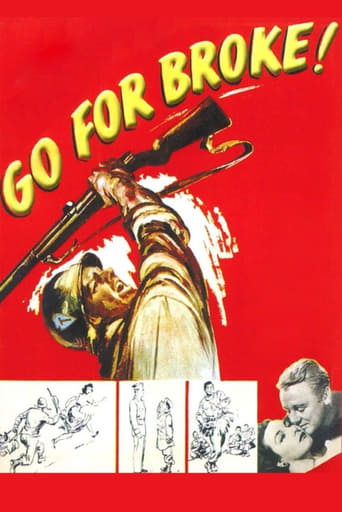
Akira Fukunaga appears once in this catalog: Go for Broke! (1951). A period when Asian-American representation in Hollywood was extremely limited. His most notable and only documented film appearance was in the 1951 war drama 'Go for Broke!', directed by Robert Pirosh. This film was for its time as it portrayed Japanese-American soldiers serving in the 442nd Regimental Combat Team during World War II, decorated units in American military history. Fukunaga was part of a cast that included many actual Nisei veterans and Japanese-American actors who were given rare opportunities to play substantive roles rather than stereotypical characters. Like many supporting actors of his era, particularly those of Asian descent, his career was likely constrained by the limited opportunities available in Hollywood during the studio system era. His contribution to 'Go for Broke!' represents an important part of the early history of Asian-American representation in American cinema.
The Craft
Milestones
- Appeared in 'Go for Broke!' (1951), one of the first Hollywood films to positively portray Japanese-American soldiers
Best Known For
Must-See Films
Why They Matter
Impact on Culture
Akira Fukunaga's participation in 'Go for Broke!' contributed to the groundbreaking representation of Japanese-Americans in mainstream cinema during a period when such portrayals were extremely rare and often stereotypical. The film itself was significant for challenging prevailing prejudices and highlighting the patriotism and bravery of Japanese-American soldiers who served despite facing discrimination and internment. His involvement, along with other Japanese-American actors in the film, helped pave the way for more authentic representation of Asian-Americans in Hollywood, though progress would remain slow for decades to come.
Lasting Legacy
While Akira Fukunaga's individual legacy as an actor may be limited by his brief filmography, his contribution to 'Go for Broke!' places him within an important historical context of Asian-American cinema. The film has become recognized as a significant milestone in Hollywood history for its positive portrayal of Japanese-Americans during World War II, and all actors who participated in it share in this legacy. His work represents the early struggles and contributions of Asian-American actors who fought for representation and dignity in American cinema during an era of widespread discrimination.
Who They Inspired
As a supporting actor in a historically significant film, Akira Fukunaga's direct influence on subsequent generations of actors may be difficult to trace, but his participation in 'Go for Broke!' contributed to the broader movement toward authentic Asian-American representation in Hollywood that would continue to evolve throughout the 20th century and beyond.
Off Screen
Very little is documented about Akira Fukunaga's personal life, which was common for many supporting actors of Asian descent during Hollywood's Golden Age who often worked outside the mainstream spotlight.
Did You Know?
- 'Go for Broke!' was one of the first Hollywood films to feature a predominantly Japanese-American cast in heroic roles
- The film's title comes from the motto of the 442nd Regimental Combat Team
- Many of the actors in the film, including possibly Fukunaga, were actual Nisei veterans
- The film was nominated for an Academy Award for Best Original Screenplay
- The 442nd Regimental Combat Team portrayed in the film became the most decorated unit in American military history for its size and length of service
- The film was released just six years after the end of World War II, during a period when anti-Japanese sentiment was still prevalent in America
Frequently Asked Questions
Who was Akira Fukunaga?
Japanese-American with credits in this catalog.
What films is Akira Fukunaga best known for?
Titles linked here include Go for Broke! (1951).
When was Akira Fukunaga born and when did he die?
Specific birth and death dates for Akira Fukunaga are not documented in available historical records, which is common for many supporting actors from this era, particularly those of Asian descent who worked outside the Hollywood mainstream.
What awards did Akira Fukunaga win?
There are no documented awards or nominations specifically for Akira Fukunaga. However, the film 'Go for Broke!' was nominated for an Academy Award for Best Original Screenplay in 1952.
What was Akira Fukunaga's acting style?
Due to limited documentation of his work beyond 'Go for Broke!', specific details about Akira Fukunaga's acting style are not available in historical records. Like many actors of his era, his contribution was likely shaped by the constraints and opportunities available to Asian-American performers in 1950s Hollywood.