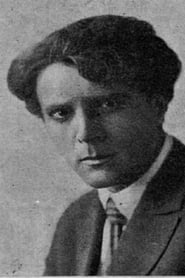
Oleg Frelikh
Actor
Born: March 24, 1887 in Moscow, Russian Empire Died: September 6, 1953 Active: 1915-1950 Birth Name: Oleg Nikolayevich Frelikh
Films
2 films
About Oleg Frelikh
Oleg Nikolayevich Frelikh — prominent Russian and Soviet actor active from the silent era through the early years of Soviet sound cinema. Born into a theatrical family in Moscow in 1887, he began his stage career before transitioning to film during the revolutionary period of Russian cinema. Frelikh gained significant recognition during the 1920s as one of the leading actors in Soviet silent films, known for his expressive acting style that perfectly suited the medium. He successfully navigated the challenging transition from silent to sound films in the early 1930s, adapting his technique to meet the new technical demands. Throughout his career, he worked with many of the directors of early Soviet cinema, contributing to the development of a distinct Soviet film aesthetic. His later years saw him taking more character roles as younger actors emerged, though he remained a respected figure in the Soviet film industry until his death in 1953.
The Craft
On Screen
Known for his highly expressive and theatrical acting style in silent films, utilizing exaggerated gestures and facial expressions typical of the era. His technique evolved with the advent of sound, becoming more naturalistic while maintaining a strong dramatic presence. Frelikh was particularly adept at conveying complex emotions through subtle physical movements and intense gaze.
Milestones
- Debut in silent films during the Russian Revolution period
- Leading roles in 1920s Soviet cinema
- Successful transition to sound films
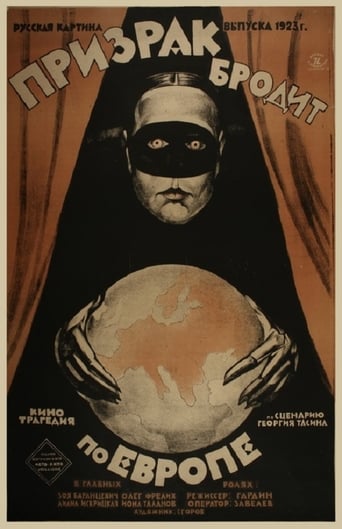
- Performance in 'A Spectre Haunts Europe' (1923)
- Later character roles in 1940s cinema
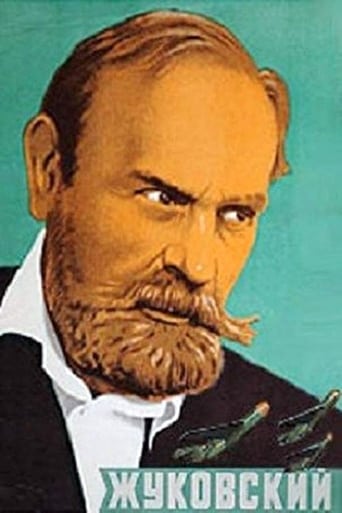
- Role in 'Zhukovsky' (1950)
Best Known For
Iconic Roles
Must-See Films
Accolades
Won
- Honored Artist of the RSFSR (1935)
Special Recognition
- Order of the Red Banner of Labour
- Medal for the Defence of Moscow
- Medal for Valiant Labour in the Great Patriotic War
Working Relationships
Worked Often With
Studios
Why They Matter
Impact on Culture
Oleg Frelikh played a significant role in the development of Soviet cinema during its formative years, helping establish the aesthetic and technical standards for both silent and early sound films. His work exemplified the ideological and artistic goals of early Soviet cinema, which sought to create a new type of film art distinct from Western cinema. As a bridge between the revolutionary avant-garde of the 1920s and the socialist realism of the 1930s and 1940s, Frelikh's career reflects the broader evolution of Soviet film culture.
Lasting Legacy
Frelikh is remembered as one of the actors of Soviet cinema who successfully navigated the dramatic changes in Russian society and film technology during the first half of the 20th century. His performances in silent films remain important examples of early Soviet acting techniques, while his later work demonstrates the adaptation of classical training to the demands of socialist realism. He contributed to the establishment of acting traditions that would influence generations of Soviet and Russian actors.
Who They Inspired
Frelikh influenced subsequent generations of Soviet actors through his demonstration of how to successfully transition from theatrical silent film acting to more naturalistic sound film performance. His work with major Soviet directors helped establish acting methodologies that became standard in Soviet film production. Many younger actors studied his techniques as examples of how to balance emotional expressiveness with the ideological requirements of Soviet cinema.
Off Screen
Frelikh came from a family with strong theatrical traditions, which influenced his career choice. He married actress Elena Muzalevskaya, with whom he often performed on stage and occasionally appeared together in films. The couple had one child. Frelikh was known for his dedication to the craft of acting and maintained a reputation as a serious, professional artist throughout his career.
Education
Moscow Art Theatre School, graduated in early 1910s
Family
- Elena Muzalevskaya (1920s-1953)
Did You Know?
- One of the few actors who successfully transitioned from Tsarist-era cinema to Soviet film production
- His film 'A Spectre Haunts Europe' was based on a story by Jack London
- Served as a mentor to many younger actors during the 1930s and 1940s
- Continued stage acting throughout his film career
- Was known for his meticulous preparation for roles
- Spent part of WWII entertaining troops and workers in defense factories
- His wife Elena was also a prominent stage and film actress
- Was part of the first generation of professionally trained Soviet film actors
- His final film 'Zhukovsky' was released posthumously
- Maintained friendships with many prominent Soviet cultural figures despite political pressures
In Their Own Words
The actor must serve the truth of the character and the truth of the people
Silent film taught us the power of the human face; sound film taught us the power of the human voice
In Soviet cinema, the individual and the collective must find harmony on screen
Frequently Asked Questions
Who was Oleg Frelikh?
Prominent Russian and Soviet with credits in this catalog.
What films is Oleg Frelikh best known for?
Titles linked here include A Spectre Haunts Europe (1923), Zhukovsky (1950).
When was Oleg Frelikh born and when did he die?
Born March 24, 1887; died September 6, 1953.
What awards did Oleg Frelikh win?
Frelikh was named an Honored Artist of the RSFSR in 1935 and received several state honors including the Order of the Red Banner of Labour and medals for his contributions during World War II.
What was Oleg Frelikh's acting style?
Frelikh began with the highly expressive theatrical style common in silent films, featuring exaggerated gestures and facial expressions, but successfully adapted to a more naturalistic approach with the advent of sound while maintaining his strong dramatic presence.