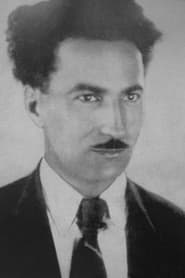
Nikoloz Shengelaia
Director
Born: August 19, 1903 in Obuji, Kutaisi Governorate, Russian Empire (now Georgia) Died: January 4, 1943 Active: 1928-1933
Films
2 films
About Nikoloz Shengelaia
Made significant contributions to Soviet cinema during its formative years. Born in 1903 in Georgia, then part of the Russian Empire, he emerged as voices in Georgian cinema during the silent era. His masterpiece 'Eliso' (1928) is considered a landmark of Georgian and Soviet cinema, showcasing his ability to blend poetic imagery with powerful social commentary about the plight of mountain people facing forced displacement. Shengelaia's work often focused on themes of social justice, national identity, and the struggles of ordinary people against oppression. His second major film '26 Commissioners' (1933) continued his exploration of revolutionary themes, depicting the tragic fate of Baku commissars during the Russian Civil War. Despite his relatively short career, cut short by his premature death at age 39, Shengelaia's influence on Georgian and Soviet cinema was profound and lasting. His films are studied today for their artistic innovation and their role in establishing a distinct Georgian cinematic voice within the broader Soviet film tradition.
The Craft
Behind the Camera
Shengelaia was known for his poetic visual style and his ability to blend lyrical imagery with strong social commentary. His films often featured sweeping landscapes of Georgia, used as both backdrop and metaphor for the human dramas unfolding. He employed innovative camera techniques and editing styles that were influenced by both Soviet montage theory and Georgian artistic traditions. His narrative approach emphasized emotional depth and psychological realism while maintaining a strong connection to Georgian cultural identity. Shengelaia's work demonstrated a unique ability to balance individual human stories with broader historical and social contexts.
Milestones
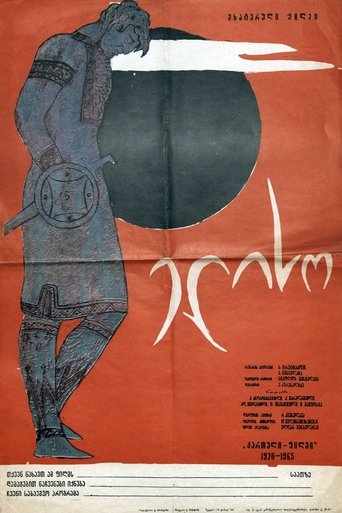
- Directed 'Eliso' (1928), considered a masterpiece of Georgian silent cinema
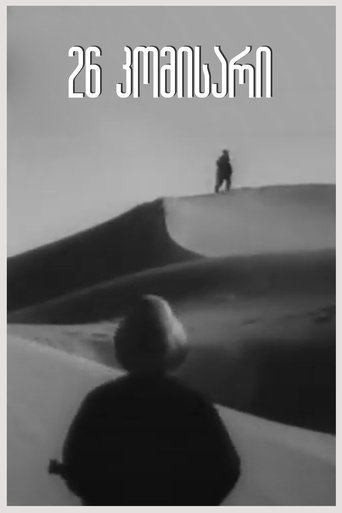
- Directed '26 Commissioners' (1933) about the Baku Commune
- Pioneered a distinct Georgian cinematic language
- Established the Shengelaia film dynasty
- Bridged silent and early sound cinema in Georgia
Best Known For
Must-See Films
Accolades
Special Recognition
- Named
- Georgian film institutions named in his honor
Working Relationships
Worked Often With
Studios
Why They Matter
Impact on Culture
Nikoloz Shengelaia played a crucial role in establishing a distinct Georgian cinematic voice within the Soviet film industry during a period when cultural expression was heavily regulated. His film 'Eliso' became a defining work of Georgian national cinema, demonstrating how regional filmmakers could maintain their cultural identity while working within the Soviet system. The film's portrayal of Georgian mountain people and their struggle against displacement resonated deeply with audiences and helped forge a sense of national cinematic identity. Shengelaia's work showed that cinema could be both artistically innovative and socially relevant, influencing how Georgian filmmakers approached the medium for decades to come. His films continue to be celebrated as important cultural artifacts that capture Georgian identity during a pivotal historical period.
Lasting Legacy
Nikoloz Shengelaia is remembered as one of the founding fathers of Georgian cinema and a master of the silent film era. His film 'Eliso' remains. The Shengelaia name became synonymous with Georgian filmmaking excellence, with his son Eldar continuing and expanding upon his father's cinematic legacy. The Georgian Film Academy has established awards in his honor, and film scholars continue to analyze his innovative techniques and contribution to world cinema. His approach to blending poetic visual storytelling with social commentary created a template for Georgian cinema that influenced directors throughout the Soviet period and beyond.
Who They Inspired
Shengelaia's innovative visual language and narrative techniques influenced the development of Georgian national cinema and inspired subsequent generations of Georgian filmmakers to explore themes of national identity and social justice. His son Eldar Shengelaia directly inherited his father's cinematic vision and became one of Georgia's most important post-war directors, creating films that built upon the foundation Nikoloz established. Georgian directors such as Tengiz Abuladze and Rezo Chkheidze were influenced by Shengelaia's ability to combine artistic innovation with social commentary. His work demonstrated how regional cinemas within the Soviet Union could maintain their distinct cultural voice while participating in the broader Soviet film tradition, providing a model for filmmakers from other republics.
Off Screen
Shengelaia married the famous Georgian actress Nato Vachnadze, who became his muse and starred in his masterpiece 'Eliso.' Their marriage represented one of Georgian cinema's most significant artistic partnerships. The couple had a son, Eldar Shengelaia, who was born in 1933 and would later follow in his father's footsteps to become one of Georgia's most prominent film directors. The Shengelaia family thus established a cinematic dynasty that would span multiple generations and significantly influence Georgian filmmaking throughout the 20th century.
Education
Studied at the Georgian State Film University (then known as the Tbilisi Film Institute)
Family
- Nato Vachnadze (1928-1943)
Did You Know?
- His film 'Eliso' was based on a story by Georgian writer Aleksandre Kazbegi
- He died at the young age of 39, cutting short a promising career
- His son Eldar was born the same year '26 Commissioners' was released
- Despite making only two feature films, both are considered classics of Georgian cinema
- His wife Nato Vachnadze was one of Georgia's most famous silent film stars
- The Shengelaia family became Georgia's most important film dynasty
- His films were rediscovered and restored in the post-Soviet era
- He was part of the first generation of Georgian film directors
- His work bridged the transition from silent to sound cinema in Georgia
- His visual style was influenced by both Soviet montage theory and Georgian artistic traditions
In Their Own Words
Cinema must be the mirror of the soul of the people
Every frame must carry the weight of our history and the light of our future
We must tell our stories with our own voice, not in imitation of others
Frequently Asked Questions
Who was Nikoloz Shengelaia?
Georgian on YTB.my. He is best known for his masterpiece 'Eliso' (1928) and '26 Commissioners' (1933), which helped establish a distinct Georgian cinematic voice within the Soviet film industry.
What films is Nikoloz Shengelaia best known for?
Titles linked here include Eliso (1928), 26 Commissioners (1933).
When was Nikoloz Shengelaia born and when did he die?
Born August 19, 1903; died January 4, 1943.
What awards did Nikoloz Shengelaia win?
While Shengelaia did not receive major international awards during his lifetime due to his early death and the historical context, he has been posthumously recognized as. Georgian film institutions have been named in his honor, and his films continue to be celebrated at international film festivals and retrospectives.
What was Nikoloz Shengelaia's directing style?
Shengelaia's directing style was characterized by poetic visual imagery blended with strong social commentary. He employed innovative camera techniques influenced by Soviet montage theory while maintaining a distinctly Georgian artistic sensibility. His films often used sweeping landscapes as metaphors and balanced individual human stories with broader historical and social contexts.
Was Nikoloz Shengelaia married and did he have children?
Yes, Shengelaia was married to the famous Georgian actress Nato Vachnadze, who starred in his film 'Eliso.' They had one son, Eldar Shengelaia (born 1933), who also became a prominent Georgian film director, continuing the family's cinematic legacy and establishing the Shengelaia name as Georgia's most important film dynasty.
What is Nikoloz Shengelaia's legacy in cinema?
Shengelaia's legacy lies in establishing a distinct Georgian cinematic language and identity within the Soviet system. His films, particularly 'Eliso,' remain classics that are studied for their artistic innovation and cultural significance. The Shengelaia family name became synonymous with Georgian filmmaking excellence, with his son Eldar continuing his father's artistic vision. His influence can be seen in generations of Georgian filmmakers who followed his example of blending artistic innovation with cultural authenticity.