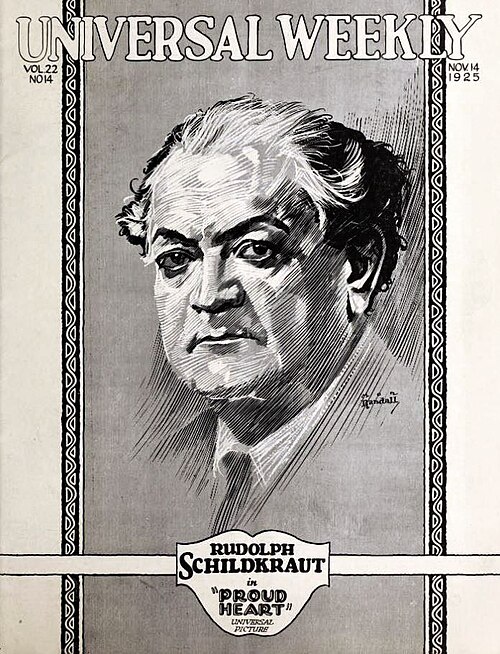
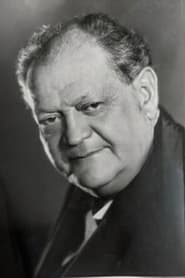
Rudolph Schildkraut
Actor
Born: April 27, 1862 in Constantinople, Ottoman Empire (now Istanbul, Turkey) Died: July 15, 1930 Active: 1880s-1930
Films
2 films
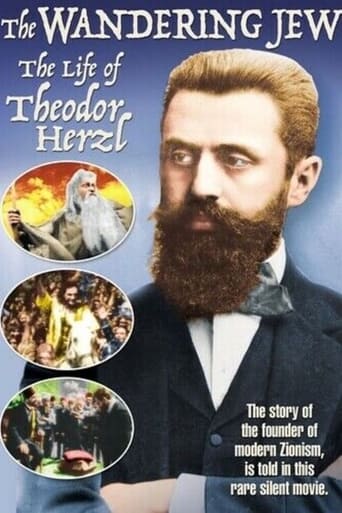
About Rudolph Schildkraut
Austrian-American actor who began his career in European theater before achieving prominence in Yiddish theater and later transitioning to American silent films. Born in Constantinople in the Ottoman Empire, he moved to Vienna as a child and began his acting career in the 1880s, quickly establishing himself as a formidable dramatic actor. Schildkraut became a star of the Yiddish stage in New York City, where he was celebrated for his powerful performances and emotional depth. His transition to film in the 1920s brought his theatrical talents to a wider audience, with his most notable screen appearance being in the 1925 silent drama 'His People.' Throughout his career, he was known for portraying complex, often tormented characters with remarkable intensity and authenticity. Despite his relatively brief film career, Schildkraut's influence on both Jewish theater and early cinema was significant, paving the way for other Jewish actors in American entertainment. He continued performing on stage until his death in 1930, leaving behind a legacy as respected character actors of his generation.
The Craft
On Screen
Known for his intense, emotionally charged performances with deep psychological realism. Schildkraut brought theatrical gravitas to his film roles, using expressive gestures and powerful facial expressions characteristic of the silent era. His style emphasized dramatic intensity and authentic character portrayal, often playing tormented or conflicted characters with remarkable depth.
Milestones
- Leading actor in Viennese theater in the 1880s and 1890s
- Star of Yiddish theater in New York City in early 1900s
- Breakthrough film role in 'His People' (1925)
- Established himself as a prominent character actor in silent films
- Mentored his son Joseph Schildkraut who became an Academy Award winner
Best Known For
Iconic Roles
Must-See Films
Accolades
Special Recognition
- Recognized as one of the greatest actors in Yiddish theater history
- Posthumously honored in Jewish cultural institutions for contributions to theater and film
Working Relationships
Worked Often With
Studios
Why They Matter
Impact on Culture
Rudolph Schildkraut played a pivotal role in bridging European theatrical traditions with American cinema, particularly in bringing Jewish cultural narratives to mainstream audiences. His success in both Yiddish theater and Hollywood films helped legitimize Jewish storytelling in American entertainment during a period of significant immigration and cultural assimilation. Schildkraut's performances often explored themes of identity, family, and cultural heritage, resonating with immigrant audiences while introducing these perspectives to broader American viewers. His work contributed to the gradual acceptance and celebration of Jewish culture in American media.
Lasting Legacy
Rudolph Schildkraut's legacy endures through his influence on both Jewish theater and American cinema. He is remembered as a figure who successfully transitioned from European stage to American screen, maintaining artistic integrity throughout. His son Joseph's successful film career, including an Academy Award win, stands as proof of the artistic foundation Rudolph provided. Theater historians continue to study Schildkraut's methods and performances as exemplary of the transition from theatrical to cinematic acting styles. His contributions to Jewish cultural representation in American entertainment helped pave the way for future generations of Jewish actors and filmmakers.
Who They Inspired
Schildkraut influenced generations of actors through his emphasis on psychological realism and emotional authenticity. His ability to convey complex emotions without dialogue set a standard for silent film acting. Many Jewish actors who followed in his footsteps, including his son Joseph, benefited from the path he forged in mainstream American entertainment. His techniques in character development and emotional expression continue to be studied by actors and scholars interested in the evolution of film acting from theatrical roots.
Off Screen
Rudolph Schildkraut was married to Erna Weinstein, with whom he had one son, Joseph Schildkraut, who also became a successful actor and won an Academy Award. The family maintained strong ties to Jewish cultural traditions while adapting to life in America. Schildkraut was known as a demanding but supportive father who encouraged his son's theatrical ambitions. His personal life was marked by his dedication to the craft of acting and his commitment to preserving Jewish theatrical traditions.
Education
Trained in classical theater in Vienna, Austria
Family
- Erna Weinstein
Did You Know?
- Born in Constantinople but raised in Vienna, giving him a multicultural background that influenced his acting
- Was a major star in Yiddish theater before transitioning to English-language films
- His son Joseph Schildkraut won the Academy Award for Best Supporting Actor for 'The Life of Emile Zola' (1937)
- Appeared in Cecil B. DeMille's epic 'The King of Kings' (1927)
- Was known for his intense preparation for roles, often spending months studying characters
- Spoke multiple languages fluently, including Yiddish, German, English, and Turkish
- Maintained a successful theater career even after achieving film success
- Was considered one of the highest-paid actors in Yiddish theater during his peak years
- His acting style influenced the method acting approach that would become popular decades later
- Died unexpectedly of a heart attack while preparing for a new stage production
In Their Own Words
Acting is not about becoming someone else, but about finding the truth within yourself that connects to the character.
The stage is my home, but the camera is my window to the world.
Every role, whether in Yiddish or English, must speak to the heart of the audience.
Frequently Asked Questions
Who was Rudolph Schildkraut?
Austrian-American with credits in this catalog. He was particularly known for his intense dramatic performances and his role in bridging European theatrical traditions with American cinema.
What films is Rudolph Schildkraut best known for?
Titles linked here include His People (1925), The Road to Yesterday (1925).
When was Rudolph Schildkraut born and when did he die?
Born April 27, 1862; died July 15, 1930.
What awards did Rudolph Schildkraut win?
While Rudolph Schildkraut did not receive major film awards during his lifetime, he was widely recognized as one of the greatest actors in Yiddish theater history. His son Joseph Schildkraut later won an Academy Award, continuing the family's acting legacy.
What was Rudolph Schildkraut's acting style?
Schildkraut was known for his intense, emotionally charged performances characterized by psychological realism and dramatic intensity. He brought theatrical gravitas to his film roles, using expressive techniques that bridged stage acting with the emerging demands of cinema.
How did Rudolph Schildkraut influence Jewish theater and cinema?
Schildkraut played a crucial role in legitimizing Jewish storytelling in American entertainment, successfully transitioning from Yiddish theater to mainstream films. His work helped introduce Jewish cultural narratives to broader audiences and paved the way for future Jewish actors in Hollywood.
Was Rudolph Schildkraut related to other famous actors?
Yes, he was the father of Joseph Schildkraut, who became a successful Hollywood actor and won the Academy Award for Best Supporting Actor for 'The Life of Emile Zola' (1937). The acting talent clearly ran in the family.