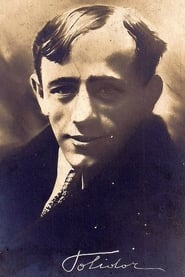
Polidor
Actor
Born: December 19, 1887 in Paris, France Died: May 20, 1977 Active: 1907-1950 Birth Name: Ferdinand Guillaume
Films
1 film
About Polidor
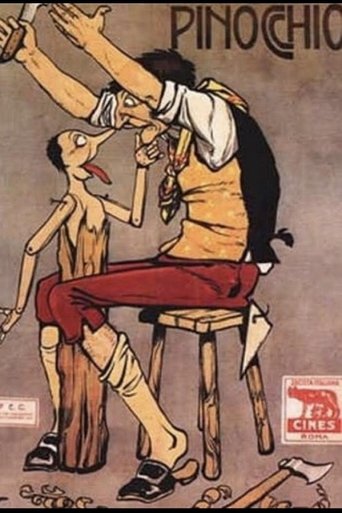
Ferdinand Guillaume, known professionally as Polidor, was a comic actor in early European cinema who achieved remarkable popularity during the silent era. Born in Paris, he began his career as a child performer in circus and music hall entertainment before transitioning to the burgeoning film industry. He adopted the stage name 'Polidor' when he began working extensively in Italian cinema, where he became one of the country's first true film stars. His performance in the 1911 Italian adaptation of 'Pinocchio' represented one of his most significant early roles, showcasing his exceptional physical comedy and expressive abilities that were perfectly suited to silent film. Throughout the 1910s, he starred in dozens of Italian silent comedies, developing a distinctive comedic persona that resonated with audiences across Europe. His career successfully navigated the challenging transition from silent to sound films, though his greatest impact remained in the silent era where his visual comedy style flourished. He continued performing in films well into the sound era, eventually returning to his native France where he concluded his remarkable career spanning over five decades in cinema.
The Craft
On Screen
Polidor was known for his highly physical style of comedy, utilizing exaggerated facial expressions, acrobatic movements, and slapstick timing that was perfectly suited to silent film. His performances drew heavily on his circus background, incorporating elements of pantomime and physical theater. He had a remarkable ability to convey emotion and humor through body language alone, making him particularly effective in the silent medium where visual storytelling was paramount.
Milestones
- Starred in the landmark 1911 Italian adaptation of Pinocchio
- Became one of Italy's most popular silent film comedians
- Successfully transitioned from circus performer to film star
- Appeared in over 100 films throughout his career
- Worked in both Italian and French cinema industries
Best Known For
Iconic Roles
Must-See Films
Accolades
Special Recognition
- Recognized as a figure in European silent cinema
Working Relationships
Worked Often With
Studios
Why They Matter
Impact on Culture
Polidor was instrumental in establishing the foundation for European film comedy, particularly in Italy where he helped define the genre during its formative years. His work demonstrated how physical comedy could transcend language barriers, contributing to the international appeal of early cinema. The 1911 Pinocchio adaptation in which he starred was among the earliest feature-length interpretations of this classic tale, influencing countless subsequent adaptations. His success as a French actor in Italian cinema also exemplified the cross-cultural nature of early European film production, helping to establish patterns of international collaboration that would continue throughout cinema history.
Lasting Legacy
Polidor's legacy endures as one of the foundational figures of European silent comedy, representing the bridge between traditional theatrical performance and modern cinematic acting. His work in the 1911 Pinocchio remains historically significant as one of the earliest cinematic interpretations of this beloved story. While many of his films have been lost to time, surviving works continue to be studied by film historians as examples of early comedy techniques. His career trajectory from circus performer to international film star exemplifies the opportunities that cinema created for performers in the early 20th century.
Who They Inspired
Polidor influenced generations of European comedians through his use of physical comedy in film. His style demonstrated how circus and vaudeville techniques could be adapted for the cinema screen, influencing comedians like Charlie Chaplin and Buster Keaton who would later perfect this approach. His work in Italian cinema helped establish the country's comedy tradition that would flourish in subsequent decades. The techniques he developed for conveying humor through visual means without dialogue remain relevant to contemporary comedy filmmakers.
Off Screen
Ferdinand Guillaume came from a family of performers, with his father also working in entertainment. He married and had children, though details about his family life remain relatively private. His career took him from France to Italy and back again, reflecting the international nature of early European cinema. He witnessed and adapted to the enormous technological and artistic changes in filmmaking from the early 1900s through the mid-20th century.
Education
Primarily trained through practical experience in circus and theater rather than formal education
Family
- Details not widely documented in historical records
Did You Know?
- His stage name 'Polidor' was inspired by classical mythology
- He began performing as early as age 5 in circus acts
- The 1911 Pinocchio film was one of the earliest feature-length adaptations of the story
- Many of his films are now considered lost, a common fate for early cinema
- He was one of the highest-paid actors in Italian cinema during the 1910s
- His physical comedy skills were enhanced by his circus training
- He successfully made the transition to sound films despite being primarily known for silent comedy
- His active years covered over 40 years in the film industry
- He worked in multiple countries and languages throughout his career
- His comedic style influenced both Italian and French cinema traditions
In Their Own Words
In silent film, the body must speak louder than words ever could
Comedy is universal because laughter needs no translation
Frequently Asked Questions
Who was Polidor?
Polidor was the stage name of Ferdinand Guillaume, a French-born actor who became.
What films is Polidor best known for?
Titles linked here include Pinocchio (1911), Polidor e la sua macchina del tempo (1913).
When was Polidor born and when did he die?
Born December 19, 1887; died May 20, 1977.
What awards did Polidor win?
During the silent era when Polidor was active, formal award systems for cinema were not yet established, so no specific awards are documented, though he was recognized as one of Italy's most popular film stars of the 1910s.
What was Polidor's acting style?
Polidor specialized in highly physical comedy, utilizing his circus background to perform acrobatic stunts, exaggerated expressions, and slapstick timing that was perfectly suited to silent film's visual storytelling requirements.