Films
3 films
About Kai Hansen
Early cinema pioneer who worked during the formative years of filmmaking in the 1910s. His career appears to have been extremely brief, with his only known directorial credit being the 1911 silent film 'Romance with a Double Bass.' Like many directors from this nascent period of cinema, Hansen was part of the experimental generation that helped establish the language of film as an art form. The fact that he was active only in 1911 suggests he may have been among the many early filmmakers who either transitioned to other careers or whose work was limited by the technical and commercial challenges of the era. Very little documentation survives about directors from this period, as cinema was still establishing itself as a legitimate industry and art form. Hansen's single known work represents the type of short narrative films that were common before feature-length productions became standard.
The Craft
Behind the Camera
Likely employed the basic narrative techniques common in early silent cinema, including stationary camera positions and theatrical staging typical of the pre-feature film era
Milestones
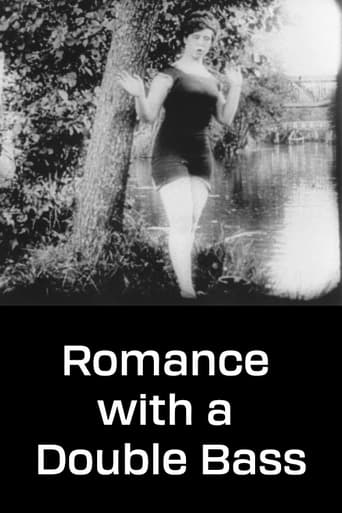
- Directed 'Romance with a Double Bass' (1911)
Best Known For
Must-See Films
Why They Matter
Impact on Culture
As an early filmmaker from 1911, Kai Hansen represents the generation of pioneers who helped establish cinema as a narrative medium. Though his career appears to have been brief, directors from this period were instrumental in developing the basic vocabulary of film storytelling. The work of early directors like Hansen, even when limited to one or two films, contributed to the rapid evolution of cinematic techniques that would define the silent era. These pioneers often worked with minimal resources and technology, yet their experiments with narrative structure, visual composition, and editing laid the groundwork for future generations of filmmakers.
Lasting Legacy
Kai Hansen's legacy is primarily historical, representing one of the many anonymous or nearly-forgotten figures who contributed to cinema's early development. The survival of his name in connection with 'Romance with a Double Bass' provides a small but valuable window into the vast network of filmmakers who worked during cinema's first decade of narrative filmmaking. While not a major figure like Griffith or Méliès, Hansen's work exemplifies the widespread enthusiasm for filmmaking that characterized this period, when countless individuals experimented with the new medium.
Who They Inspired
Due to the extremely limited documentation of Hansen's work and career, his specific influence on other filmmakers cannot be traced. However, like all directors working in 1911, he would have been part of the collective effort to establish cinematic conventions that future directors would build upon and refine.
Off Screen
No biographical information about Kai Hansen's personal life has survived from the historical record, which is common for many early cinema pioneers who worked before the industry established comprehensive documentation practices.
Did You Know?
- Kai Hansen was active during the same year that feature films began to emerge, though most productions were still short one-reelers
- 1911 was a pivotal year in cinema, with studios like Biograph, Vitagraph, and Edison producing hundreds of short films
- The title 'Romance with a Double Bass' suggests the film may have been a musical comedy or romantic short, common genres of the period
- Many films from 1911 are now lost, making Hansen's work particularly rare if any copies survive
- Directors from this era often wore multiple hats, sometimes writing, editing, and even acting in their own productions
- The year 1911 saw the establishment of the first motion picture production companies in Hollywood
Frequently Asked Questions
Who was Kai Hansen?
Early cinema on YTB.my.' His career appears to have been extremely brief, with activity limited to the single year of 1911.
What films is Kai Hansen best known for?
Titles linked here include Romance with a Double Bass (1911).
When was Kai Hansen born and when did he die?
Unfortunately, no biographical information about Kai Hansen's birth or death dates has survived in the historical record, which is common for many early cinema pioneers who worked before comprehensive industry documentation was established.
What awards did Kai Hansen win?
Kai Hansen did not receive any known awards or honors, as the major film awards and recognition systems were not established during his brief career in 1911.
What was Kai Hansen's directing style?
While specific details about Hansen's directing style are unknown, directors working in 1911 typically employed basic narrative techniques with stationary cameras and theatrical staging, as cinema was still developing its unique visual language.