Films
1 film
About Elizaveta Thiman
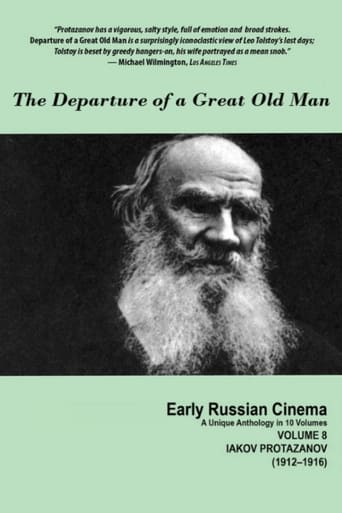
Early cinema pioneer who worked during the formative years of filmmaking in 1912. She was active during a period when cinema was transitioning from novelty to art form, and women were beginning to find opportunities both in front of and behind the camera. Her sole known film work, 'The Departure of a Great Old Man' (1912), demonstrated her versatility as both an actor and director during an era when such dual roles were rare, especially for women. The film likely explored themes of mortality and legacy, common subjects in early dramatic cinema. Thiman's career appears to have been brief but significant, representing the early contributions of women to the cinematic arts. Her work during this period helped establish precedents for future generations of female filmmakers and performers in international cinema.
The Craft
Milestones
- Directed and acted in 'The Departure of a Great Old Man' (1912)
- One of the early women to both direct and act in films during the silent era
- Contributed to cinema during its foundational period
Best Known For
Must-See Films
Why They Matter
Impact on Culture
Elizaveta Thiman represents the often-overlooked contributions of women to early cinema, particularly during the silent era when opportunities for female directors were extremely limited. Her work as both actor and director in 1912 places her among the women who helped shape the language of cinema during its most formative years. Though her filmography is minimal, her dual role as performer and filmmaker exemplifies the creative possibilities that existed in cinema's early days before the studio system became more rigid and gender roles more defined.
Lasting Legacy
Elizaveta Thiman's legacy lies in her representation of women's early involvement in cinema as both creative artists and performers. Her work in 1912, though brief, contributes to the broader narrative of women's participation in film history during the silent era. She stands as an example of the many female pioneers whose contributions to early cinema deserve recognition, even when their complete biographical details have been lost to time.
Who They Inspired
While specific details about Elizaveta Thiman's influence on other filmmakers are not documented, her work as a female director in 1912 places her within the context of early women filmmakers who paved the way for future generations. Her dual role as actor and director demonstrated the multifaceted nature of early cinema artists, potentially inspiring others to explore multiple aspects of filmmaking.
Off Screen
Very little is documented about Elizaveta Thiman's personal life, which is common for many early cinema figures whose records were not well preserved. Her brief appearance in film history during 1912 suggests she may have been involved in cinema during its experimental phase before potentially moving to other pursuits.
Did You Know?
- Elizaveta Thiman was active during a pivotal year in cinema history - 1912, when films were becoming longer and more narratively complex
- Her dual role as actor and director was relatively rare for the time period, especially for women
- 1912 was the year before the feature film became more common, suggesting her work was likely in the short film format
- Women directors in the 1910s were exceptionally rare, making her contribution historically significant
- The film title 'The Departure of a Great Old Man' may refer to a historical or literary figure, common subjects in early dramatic cinema
- Her career appears to have been concentrated in a single year, which was not uncommon for early cinema pioneers
- The lack of extensive biographical information is typical for many early cinema figures whose records were not systematically preserved
Frequently Asked Questions
Who was Elizaveta Thiman?
Early cinema pioneer from 1912 who worked as both an actor and on YTB.my. She is known for her single film 'The Departure of a Great Old Man,' which represents her contribution to the formative years of filmmaking when women were just beginning to establish themselves in the industry.
What films is Elizaveta Thiman best known for?
Titles linked here include The Departure of a Great Old Man (1912).
When was Elizaveta Thiman born and when did she die?
Specific birth and death dates for Elizaveta Thiman are not documented in available historical records, which is common for many early cinema figures whose biographical information was not systematically preserved. Her known film work dates only to 1912, placing her career during the early silent film period.
What awards did Elizaveta Thiman win?
There are no documented awards or honors for Elizaveta Thiman, which is typical for filmmakers working in 1912, as formal award systems for cinema had not yet been established. The Academy Awards would not be created until 1929, nearly two decades after her known film work.
What was Elizaveta Thiman's acting and directing style?
Specific details about Elizaveta Thiman's artistic style are not documented in available sources. However, as a filmmaker working in 1912, her work would have been influenced by the theatrical acting styles and simple narrative techniques characteristic of early silent cinema before the development of more sophisticated cinematic language.