Films
1 film
About Marie Astaire
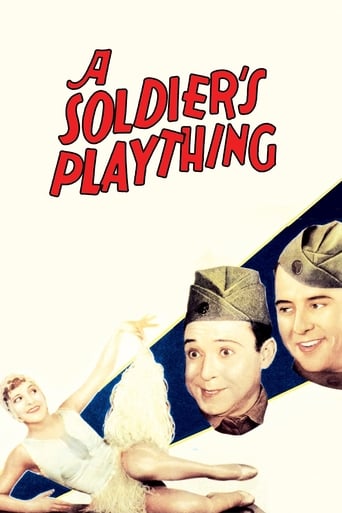
American film actress who briefly flourished during the transitional period between the silent era and the early sound years of Hollywood. Born in Chicago, Illinois, she began her career in the mid-1920s, appearing in a variety of short films and features for independent and major studios alike. She is perhaps best remembered for her role in the 1930 Warner Bros. Pre-Code musical comedy 'A Soldier's Plaything,' directed by Michael Curtiz, where she played the character of Marie. Despite her striking screen presence and ability to adapt to the new 'talkie' format, her career did not sustain the momentum required for long-term stardom in the competitive studio system. By the early 1930s, she transitioned away from leading roles, and her filmography remains a fascinating snapshot of an actress caught in the industry's rapid technological evolution. Her work remains of interest to film historians studying the casting practices and genre shifts of early 1930s Vitaphone productions.
The Craft
On Screen
Marie Astaire possessed a versatile acting style that bridged the gap between the expressive, pantomime-heavy requirements of silent cinema and the more naturalistic, dialogue-driven demands of early sound films. In her silent roles, she was noted for her emotive facial expressions and physical grace, which made her a reliable ingenue. Upon the arrival of sound, she demonstrated a clear speaking voice that suited the comedic and musical tones of early 1930s 'Vitaphone' features, often playing characters that required a blend of charm and wit.
Milestones
- Cast in a supporting role in the Michael Curtiz directed 'A Soldier's Plaything' (1930).
- Appeared in the silent drama 'The Last Edition' (1925) as Polly McDonald.
- Featured in the early Western 'The Land of the Lawless' (1927).
- Successfully transitioned from silent films to early sound 'talkies' at Warner Bros.
- Worked with notable directors of the era including Michael Curtiz and Emory Johnson.
Best Known For
Iconic Roles
Must-See Films
Accolades
Special Recognition
- Recognized in contemporary film journals of the 1920s as a rising talent in independent cinema.
Working Relationships
Worked Often With
Studios
Why They Matter
Impact on Culture
Marie Astaire represents the 'everywoman' of the silent-to-sound transition, illustrating the challenges faced by many talented performers who were prominent during the 1920s but found it difficult to secure a permanent foothold in the newly consolidated studio system of the 1930s. Her participation in 'A Soldier's Plaything' places her in the historical context of early sound experiments and the development of the musical comedy genre. While she did not become a household name like her contemporary namesake Fred Astaire (to whom she was not related), her filmography serves as a valuable record of the diverse talent pool available during Hollywood's formative years.
Lasting Legacy
Her legacy is preserved through the surviving prints of her silent films and early talkies, which are studied by archivists for their technical and stylistic attributes. She remains a figure of interest for those researching the 'lost' stars of the 1920s and the specific aesthetic of Warner Bros. Productions during the early sound era. Her career highlights the ephemeral nature of fame during Hollywood's most volatile period of growth.
Who They Inspired
She influenced the archetype of the 'working girl' and the 'loyal daughter' in 1920s melodrama, providing a template for supporting actresses who followed in the early 1930s.
Off Screen
Marie Astaire maintained a relatively private life outside of her film appearances. Like many actresses of the era, her personal details were often managed by studio publicity departments, focusing more on her screen presence than her domestic life. Records of her life following her departure from the film industry in the early 1930s are scarce, suggesting she may have retired from public life or changed her name through marriage.
Education
Educated in the Chicago public school system before pursuing a career in theater and film.
Did You Know?
- Despite the shared surname, Marie Astaire was not related to the famous dancer Fred Astaire.
- She appeared in 'The Last Edition' (1925), which is noted for its realistic depiction of the newspaper industry.
- Her film 'A Soldier's Plaything' was originally filmed as a musical but had much of its music removed for general release due to a sudden decline in the popularity of musicals in late 1930.
- She was often cast in 'Westerns' and 'Melodramas' during the mid-1920s before moving into more sophisticated urban comedies.
- She was part of the transition generation that had to re-learn acting for the microphone.
In Their Own Words
Information regarding specific personal quotes from Marie Astaire is not well-documented in surviving press archives.
Frequently Asked Questions
Who was Marie Astaire?
American actress active during the 1920s and early 1930s. She appeared in both silent films and early sound features, most notably working with director Michael Curtiz.
Was Marie Astaire related to Fred Astaire?
No, Marie Astaire was not related to the legendary dancer and actor Fred Astaire. The shared surname was a coincidence, which was common among performers of that era.
What is Marie Astaire's most famous film?
She is best known for her role in 'A Soldier's Plaything' (1930), a Warner Bros. Production that showcased the transition to sound cinema.
What was Marie Astaire's acting style?
She was known for a versatile approach that combined the physical expressiveness of silent film acting with the vocal clarity required for early talkies.
When was Marie Astaire active in Hollywood?
Born 1905; died null.