Films
5 films
About Étienne Arnaud
French film director who worked during the early silent era, contributing to the development of narrative cinema during its formative years. Born in 1873, he emerged as a filmmaker during the period when cinema was transitioning from simple novelty to sophisticated storytelling medium. Arnaud's most productive period appears to have been around 1912, when he directed several notable films including 'Saved from the Titanic,' one of the earliest cinematic depictions of the famous maritime disaster, and 'Robin Hood,' an early adaptation of the English folk hero. His the crucial transitional years when filmmakers were establishing the visual language of cinema, developing techniques like cross-cutting, location shooting, and dramatic staging that would become fundamental to the art form. Like many of his contemporaries, Arnaud worked across multiple genres and helped establish the foundations of narrative filmmaking. His work reflects the international nature of early cinema, with French filmmakers contributing significantly to the development of the medium before Hollywood's dominance. Arnaud continued working in film throughout the 1910s before his death in 1936, leaving behind a legacy as one of the early pioneers who helped shape cinematic storytelling.
The Craft
Behind the Camera
As an early silent filmmaker, Arnaud employed emerging techniques of narrative cinema including cross-cutting, location shooting, and dramatic staging. His work reflected the transitional period when directors were discovering how to tell stories visually without dialogue, using expressive acting, careful composition, and innovative editing to convey emotion and advance plots. His style was typical of the period's move toward more sophisticated cinematic storytelling.
Milestones
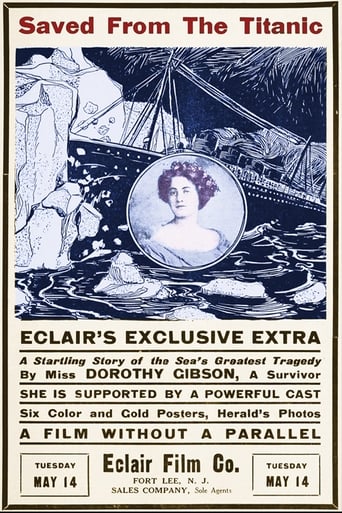
- Directed 'Saved from the Titanic' (1912), one of the earliest films about the Titanic disaster
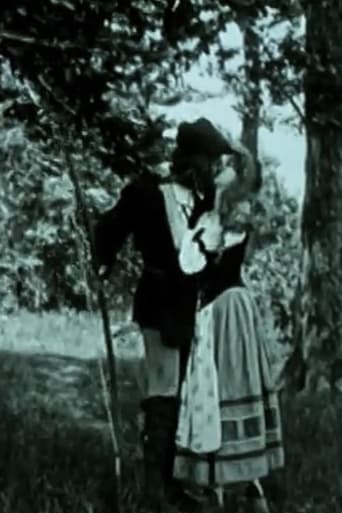
- Directed 'Robin Hood' (1912), an early adaptation of the legendary tale
- Worked with French film studio Éclair during their international expansion
- Contributed to the development of narrative cinema techniques in the silent era
- Filmed with Titanic survivor Dorothy Gibson in 'Saved from the Titanic'
Best Known For
Must-See Films
Accolades
Special Recognition
- Recognized as an early pioneer of French cinema
- Contributor to the development of narrative film techniques
Working Relationships
Worked Often With
Studios
Why They Matter
Impact on Culture
Étienne Arnaud contributed to the early development of narrative cinema during a crucial period when film was establishing itself as a legitimate art form and storytelling medium. His film 'Saved from the Titanic' is historically significant as one of the earliest cinematic treatments of a major contemporary tragedy, demonstrating how quickly filmmakers responded to current events in the early 20th century. This film, released just months after the actual disaster, represents an early example of cinema's role in processing and memorializing major historical events. His 'Robin Hood' adaptation shows how filmmakers were already drawing from classic literature and folklore, establishing a tradition of adapting beloved stories to the new medium of cinema that continues to this day.
Lasting Legacy
Étienne Arnaud's legacy lies in his contribution to the foundation of narrative cinema during its formative years. As one of the early French directors working during the silent era, he helped establish many of the techniques and approaches that would become standard in filmmaking. His work represents the international character of early cinema, before Hollywood's dominance, showing how filmmakers from around the world contributed to the medium's development. While many of his films may be lost or difficult to access today, his documented contributions to early cinema history place him among the important pioneers who helped shape the art of filmmaking.
Who They Inspired
As an early filmmaker, Arnaud's influence would have been primarily on his contemporaries and immediate successors in the French film industry. His work on narrative techniques and genre filmmaking would have contributed to the growing body of cinematic knowledge that later filmmakers would build upon. His rapid production of 'Saved from the Titanic' following the actual disaster demonstrated the potential of cinema as a medium for immediate cultural commentary, influencing how filmmakers would approach contemporary events in the future.
Off Screen
Limited information is available about Étienne Arnaud's personal life, which is common for early film pioneers whose personal histories were not as thoroughly documented as their professional contributions. He lived during a transformative period in cinema history and was part of the first generation of filmmakers who helped establish the medium as an art form.
Education
Educational background not documented in available sources, typical of many early film pioneers who entered the industry during its experimental phase
Did You Know?
- 'Saved from the Titanic' was filmed just one month after the actual Titanic disaster in 1912
- The film starred Dorothy Gibson, an actual Titanic survivor who wore the same clothes she had worn during the disaster
- Arnaud's 'Robin Hood' was one of the earliest film adaptations of the legendary English folk hero
- Like many silent films, most of Arnaud's work is now considered lost or partially lost
- He worked during the period when French cinema was many film techniques before World War I
- His active years covered the transition from short novelty films to feature-length narrative cinema
- The early 1910s, when Arnaud was most active, saw rapid technological and artistic advancement in filmmaking
- French directors like Arnaud were among the first to establish cinema as an international art form
In Their Own Words
No documented famous quotes are available from Étienne Arnaud, which is typical for many early film directors whose spoken words were not preserved in historical records
Frequently Asked Questions
Who was Étienne Arnaud?
French on YTB.my. He was one of the early pioneers of narrative cinema, directing films like 'Saved from the Titanic' and 'Robin Hood' during a crucial period when cinema was establishing itself as a storytelling medium.
What films is Étienne Arnaud best known for?
Titles linked here include Saved from the Titanic (1912), Robin Hood (1912).
When was Étienne Arnaud born and when did he die?
Born 1873; died 1936.
What awards did Étienne Arnaud win?
There are no documented awards or nominations for Étienne Arnaud, which is typical for early film pioneers who worked before the establishment of formal award systems like the Academy Awards. His recognition comes from his historical importance as an early filmmaker rather than formal accolades.
What was Étienne Arnaud's directing style?
Arnaud's directing style reflected the emerging techniques of narrative cinema in the early 1910s, employing cross-cutting, location shooting, and dramatic staging to tell stories visually. His work demonstrated the transitional period when directors were developing the visual language of cinema without dialogue.
Why is 'Saved from the Titanic' historically significant?
'Saved from the Titanic' is historically significant because it was filmed just one month after the actual disaster, making it one of the earliest examples of cinema responding immediately to contemporary events. It also starred Dorothy Gibson, an actual Titanic survivor, adding authenticity to the production.
What was Étienne Arnaud's contribution to cinema?
Arnaud contributed to the development of narrative cinema during its formative years, helping establish techniques and approaches that would become standard in filmmaking. His work represents the international character of early cinema and French cinema's role in film art before Hollywood's dominance.