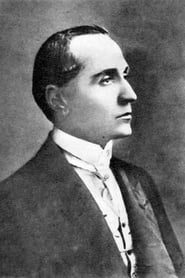
Aristide Demetriade
Actor & Director
Born: 1872 in Bucharest, Romania Died: 1938 Active: 1912-1912
Films
1 film
About Aristide Demetriade
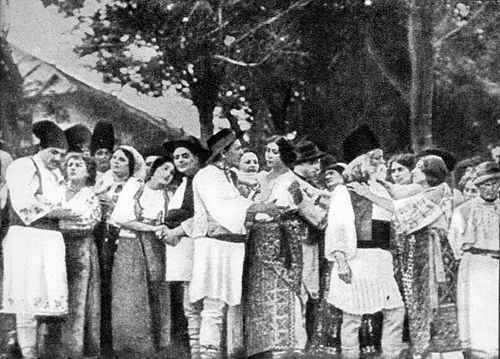
Figure in Romanian cinema during the silent era, serving as both an actor and director during the crucial early years of film. Born in Bucharest in 1872, he began his career in theater before transitioning to the new medium of cinema, which was typical for artists of his generation. His most significant contribution to Romanian film was 'The Independence of Romania' (1912), which he both directed and acted in, making it one of the first feature-length films produced in Romania. This historical epic dealt with Romanian national themes, reflecting the cultural priorities of the time and helping establish cinema as a vehicle for national storytelling. Demetriade worked during a period when Romania's film industry was in its infancy, facing numerous technical and resource challenges that characterized early cinema in Eastern Europe. His dual role as actor and director was common in this era when film production required versatile talents who could handle multiple aspects of filmmaking. Though his film career appears to have been concentrated primarily around 1912, his work laid important groundwork for the development of Romanian cinema and demonstrated the potential of film as an art form in the country.
The Craft
On Screen
As a silent era actor with theater background, Demetriade would have employed the exaggerated gestures, dramatic facial expressions, and emphatic body language typical of the period. His acting style likely drew from theatrical traditions, utilizing broad physical movements to convey emotion and narrative to audiences without the benefit of synchronized sound. This approach was standard for early cinema actors who needed to ensure their performances were clearly understood through visual means alone.
Behind the Camera
Demetriade's directing style reflected the techniques of early 1910s European cinema, likely influenced by French and German film traditions of the period. As one of Romania's first film directors, he would have worked with basic camera techniques, static shots, and tableau-like compositions that characterized early narrative cinema. His focus on historical subject matter in 'The Independence of Romania' suggests an interest in using film for national storytelling and cultural education, a common approach among early national cinemas.
Milestones
- Directed and acted in 'The Independence of Romania' (1912)
- One of the first feature film directors in Romania
- Transitioned from theater to cinema during the silent era
- Contributed to establishing Romanian national cinema
- Pioneer of Romanian silent film industry
Best Known For
Iconic Roles
Must-See Films
Accolades
Special Recognition
- Recognized posthumously as a pioneer of Romanian cinema
Working Relationships
Worked Often With
Studios
Why They Matter
Impact on Culture
Aristide Demetriade played a crucial role in establishing cinema as a legitimate art form in Romania during its earliest days. His work on 'The Independence of Romania' represented an important milestone in Romanian cultural history, demonstrating that film could be used to explore national themes and historical narratives. As one of the first Romanian directors to tackle feature-length filmmaking, he helped prove that Romanian stories could be told through this new medium, contributing to the development of a distinct Romanian cinematic voice. His work came during a period when many European nations were developing their own film industries as expressions of national identity, and his contribution placed Romania among these emerging cinematic cultures.
Lasting Legacy
Aristide Demetriade's legacy endures as one of the foundational figures of Romanian cinema, though much of his work has been lost to time, as is common with films from this era. His name is remembered among the important pioneers who brought cinema to Romania and demonstrated its potential as both entertainment and cultural expression. The historical significance of 'The Independence of Romania' ensures Demetriade's place in Romanian film history, even if his complete filmography remains unknown. His work represents the ambitious beginnings of Romanian cinema, showing how early filmmakers sought to establish a national film tradition despite limited resources and technical challenges. Subsequent generations of Romanian filmmakers have built upon the foundation laid by pioneers like Demetriade, even if they were not directly influenced by his specific techniques.
Who They Inspired
As one of Romania's first film directors, Demetriade's influence was primarily foundational rather than stylistic. By successfully directing a feature-length film in 1912, he demonstrated that Romanian cinema was viable and could compete with European productions of the era. His choice of historical subject matter helped establish a tradition of Romanian films exploring national identity and history, a theme that would recur throughout Romanian cinema. While later Romanian filmmakers developed more sophisticated techniques, Demetriade's work represented the crucial first step in establishing a Romanian film industry and tradition that would continue to evolve throughout the 20th century.
Off Screen
Limited information is available about Aristide Demetriade's personal life. He was born into the cultural milieu of late 19th century Bucharest, during a period of growing Romanian national consciousness. His active years covered the transition from traditional theater to the new medium of cinema, reflecting the broader artistic changes occurring in Europe during this time. His death in 1938 meant he witnessed but did not participate in the development of Romanian sound cinema in the 1930s.
Education
No specific information available about his formal education, though his theater background suggests training in dramatic arts
Did You Know?
- 'The Independence of Romania' (1912) is considered one of the first Romanian feature films ever made
- Demetriade was part of the generation of artists who transitioned from theater to cinema in the early 20th century
- Early Romanian filmmakers like Demetriade worked with extremely limited resources compared to Western European productions
- Most Romanian films from the 1910s, including likely works by Demetriade, have been lost over time
- The early 1910s was a crucial period for cinema worldwide, with narrative techniques rapidly evolving
- Romanian cinema of this era was heavily influenced by French and German film traditions
- Demetriade worked during a period when Romania was still establishing its national identity, reflected in his choice of subject matter
- Silent films from this period in Romania are extremely rare, with preservation status generally poor
- Early filmmakers often served multiple roles due to small production teams and limited budgets
- The historical subject matter of 'The Independence of Romania' reflected the growing importance of national cinema across Europe
Frequently Asked Questions
Who was Aristide Demetriade?
Romanian actor and on YTB.my. He is best known for directing and acting in 'The Independence of Romania' (1912), considered one of the first feature-length films produced in Romania.
What films is Aristide Demetriade best known for?
Titles linked here include The Independence of Romania (1912).
When was Aristide Demetriade born and when did he die?
Born 1872; died 1938.
What was Aristide Demetriade's contribution to Romanian cinema?
Demetriade — foundational figure in Romanian cinema, helping establish film as a legitimate art form in the country. His work on 'The Independence of Romania' demonstrated that Romanian stories could be told through cinema and contributed to the development of a national film tradition.
What was the significance of 'The Independence of Romania' (1912)?
The film was significant as one of Romania's first feature-length productions and demonstrated how cinema could be used to explore national historical themes. It represented an important milestone in establishing Romanian cinema as a vehicle for cultural expression and national identity.
What was Aristide Demetriade's acting and directing style?
As a silent era artist with theater background, Demetriade likely used the exaggerated gestures and dramatic expressions typical of the period. His directing style reflected early 1910s European cinema techniques, with an emphasis on historical storytelling and national themes.
How has Aristide Demetriade been remembered in film history?
Demetriade is remembered as one of the pioneers of Romanian cinema who helped establish the foundation for the country's film industry. Though much of his work has been lost, his contribution to early Romanian filmmaking ensures his place in the history of Romanian cinema.
What challenges did Aristide Demetriade face as an early Romanian filmmaker?
As an early Romanian filmmaker, Demetriade worked with limited resources, basic equipment, and in an industry that was still in its infancy. He faced technical challenges common to early cinema while helping establish film production infrastructure in Romania during a period when the medium was still evolving worldwide.