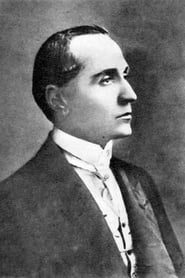
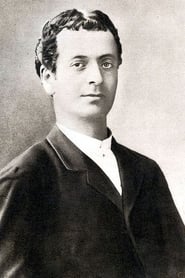

The Independence of Romania
"The pivotal Romanian War of Independence from 1877-1878, depicting Romania's struggle to break free from Ottoman rule and establish itself as a sovereign nation."
Keys: Space play/pause · ←/→ 10s · F fullscreen · M mute · </> speed
About this film
Quietly, 1912, Independenţa României ("The Independence of Romania"), subtitled The Romanian-Russo-Turkish War 1877, is a Romanian 1912 silent film directed by Aristide Demetriade.
Cast & crew
More History films
View all →


More about this film
About the production
Release date1912
ProductionFilm de Artă
Filmed inBucharest, Romania, Various historical battle sites in Romania
The Independence of Romania was one of the first feature-length narrative films produced in Romania, representing a major milestone in the country's cinematic history. The production involved hundreds of extras and attempted to recreate large-scale battle scenes from the war. The filmmakers faced significant technical challenges typical of early cinema, including limited camera mobility and the need for natural lighting. Aristide Demetriade, who both directed and starred in the film, was a prominent figure in Romanian theater who brought theatrical techniques to this early cinematic production.
Themes
Themes & topics
Romanian War of IndependenceOttoman EmpireHistorical epicBattle sequencesMilitary historyNational liberation19th centuryPatriotic filmWar dramaHistorical reenactment
Historical background
Released in 1912, The Independence of Romania arrived during the silent era, when audiences were hungry for new screen experiences.
Why this film matters
The Independence of Romania remains a reference point for scholars tracing how silent era filmmaking handled plot, performance, and audience expectation. Independenţa României ("The Independence of Romania"), subtitled The Romanian-Russo-Turkish War 1877, is a Romanian 1912 silent film directed by Aristide Demetriade.
Making of
The production of The Independence of Romania was a monumental undertaking for the fledgling Romanian film industry of 1912. Aristide Demetriade, transitioning from his successful career in theater, brought theatrical grandeur to the cinematic medium, organizing massive crowd scenes and elaborate battle sequences. The filmmakers faced considerable technical limitations of the era, including heavy, immobile cameras and the need for bright natural light for proper exposure. Despite these challenges, they managed to create sweeping battle scenes involving hundreds of extras, many of whom were actual Romanian soldiers who provided authenticity to the military formations and maneuvers. The production team conducted extensive research into historical uniforms, weapons, and battle strategies to ensure accuracy. The film's creation represented a collaborative effort between Romania's theatrical establishment and emerging film industry, with many prominent stage actors making their film debuts in this production.
What critics said
Modern silent- and classic-film writers often revisit The Independence of Romania for its place in the silent era lineup rather than for blockbuster status.
Did you know?
- This was one of Romania's first feature-length narrative films, marking a significant milestone in Romanian cinema history
- Aristide Demetriade was not only the director but also the star of the film, showcasing his multifaceted talent in the early Romanian film industry
- The film was produced by Film de Artă, one of Romania's earliest film production companies
- Constantin Nottara, who appeared in the film, was a renowned Romanian actor and one of the founders of the National Theatre in Bucharest
- The film was made just 35 years after the actual events it depicted, making it a relatively contemporary account of the independence war
- Many of the battle scenes were filmed using real Romanian military personnel as extras to achieve authenticity
- The film was silent, as was typical for the era, but was often accompanied by live musical performances during screenings
- This historical epic helped establish the genre of historical films in Romanian cinema
- The production utilized actual historical locations whenever possible to enhance the film's authenticity
- The film's release coincided with growing nationalist sentiments in Romania, making it particularly resonant with contemporary audiences
Visual style
The cinematography of The Independence of Romania reflects the technical limitations and aesthetic conventions of early 1910s cinema. The film was shot using large, hand-cranked cameras that were difficult to move, resulting in predominantly static compositions and long takes. The cinematographer relied heavily on natural lighting, as artificial lighting technology was still primitive, which influenced both the choice of filming locations and the scheduling of outdoor scenes. The battle sequences, while ambitious in scale, were filmed using wide shots to capture the full scope of the action, with the camera positioned at a distance to encompass the hundreds of extras involved. Despite these technical constraints, the filmmakers achieved some impressive visual effects for the time, including simulated explosions and smoke effects during battle scenes. The visual style emphasized clarity and legibility over artistic experimentation, as the primary goal was to clearly communicate the historical narrative to audiences. The black and white photography enhanced the documentary-like quality that the filmmakers sought to achieve in their recreation of historical events.
Innovations
The Independence of Romania represented several significant technical achievements for the Romanian film industry of 1912. The film's most notable technical accomplishment was the successful execution of large-scale battle sequences involving hundreds of extras, which required sophisticated planning and coordination beyond what was typical for Romanian productions of the era. The filmmakers developed innovative techniques for simulating battle effects, including controlled explosions and smoke generation, that created convincing war scenes despite limited resources. The production also demonstrated advanced location shooting capabilities for the time, utilizing actual historical sites to enhance authenticity. The film's length of approximately 120 minutes was ambitious for the period, requiring substantial film stock and presenting editing challenges that the production team successfully navigated. The costume and prop departments achieved remarkable historical accuracy in recreating 1870s military uniforms and equipment, requiring extensive research and custom fabrication. These technical achievements helped establish the capabilities of the Romanian film industry and demonstrated that local productions could compete with foreign films in terms of scope and quality.
Music
As a silent film, The Independence of Romania did not have a recorded soundtrack but was typically accompanied by live musical performances during theatrical screenings. The musical accompaniment usually consisted of patriotic Romanian folk songs, military marches, and classical music pieces that underscored the emotional tone of different scenes. Many theaters employed small orchestras or pianists to provide live music, with selections often varying by venue and performance. The musical choices were designed to enhance the film's patriotic themes, with particular emphasis on Romanian national compositions that would resonate with local audiences. During battle sequences, drummers and other percussionists were sometimes employed to create sound effects that heightened the dramatic impact of the visuals. The absence of synchronized dialogue meant that intertitles were used to convey important plot points and historical information, with these text cards often decorated with Romanian national symbols and colors to reinforce the film's patriotic message.
Famous quotes
For Romania, for freedom, for the future! - Declaration of Independence scene
Our blood will water the soil of a free Romania! - Soldier's speech before battle
Memorable scenes
- The dramatic declaration of independence scene, where Romanian leaders formally proclaim separation from Ottoman rule, featuring Aristide Demetriade's powerful oratory and the emotional response of the assembled crowd
- The massive battle sequence depicting the Siege of Plevna, with hundreds of soldiers, artillery fire simulations, and carefully choreographed military maneuvers that showcased the production's technical capabilities
What audiences thought
The Independence of Romania was enthusiastically received by Romanian audiences upon its release in 1912. The film's patriotic themes and depiction of national triumph resonated strongly with viewers, many of whom had personal connections to the independence war through family members who had participated. Audiences were particularly impressed by the scale of the battle scenes and the film's attention to historical detail, which gave the production an air of authenticity and importance. The film reportedly drew large crowds in Bucharest and other major Romanian cities, with some theaters offering multiple daily screenings to meet demand. The emotional impact of seeing their national history depicted on the big screen was profound for many Romanian viewers, who had previously only experienced such stories through literature, theater, or oral tradition. The film's success helped demonstrate to Romanian producers and distributors that there was a viable market for locally-produced, culturally relevant content, encouraging further investment in the national film industry.
Film connections
Influenced by
- European historical epics of the 1910s
- Contemporary Romanian theatrical traditions
- Historical paintings and illustrations of the independence war
- Patriotic literature of the Romanian national awakening period
This film influenced
- Subsequent Romanian historical films
- Romanian war films of the silent era
- Later Romanian films about national history
Film restoration
The Independence of Romania is considered a partially lost film, with only fragments and sequences surviving to the present day. Like many films from the early 1910s, it suffered from the deterioration of nitrate film stock and the lack of systematic preservation efforts in its early decades. The Romanian National Film Archive holds some surviving reels and fragments of the original film, but it is believed that significant portions, potentially including some key scenes, have been lost forever. Efforts have been made to preserve and restore the surviving footage, and what remains provides valuable insight into early Romanian cinema. The film's partial preservation status makes it a rare and precious document of Romanian film history, with surviving elements occasionally screened at film festivals and archival cinema events. The loss of much of the original footage represents a significant gap in the historical record of Romanian cinema.
Where to watch
- Romanian National Film Archive screenings
- Specialized silent film festivals
- Academic film history collections
- Occasional broadcasts on Romanian cultural television channels