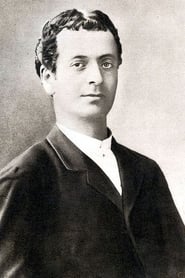
Constantin Nottara
Actor
Born: June 2, 1859 in Bucharest, Romania Died: August 27, 1935 Active: 1877-1935
Films
1 film
About Constantin Nottara
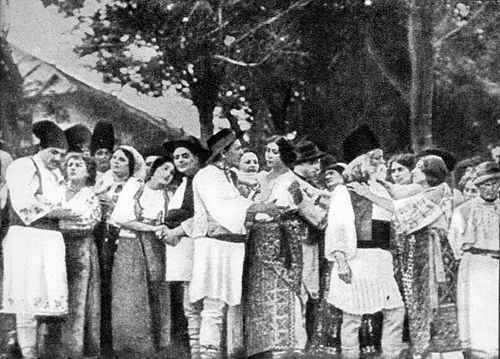
Made significant contributions to Romanian performing arts during the late 19th and early 20th centuries. Born into a family with strong artistic traditions, he began his theatrical career in 1877 and quickly rose to prominence as one of Romania's most respected stage actors. Throughout his career spanning nearly six decades, Nottara became synonymous with dramatic excellence, particularly known for his powerful interpretations in classical and contemporary Romanian plays. He served as a leading figure at the National Theater in Bucharest, where he both performed and directed numerous productions that helped shape Romanian theatrical identity. His transition to cinema in 1912 with 'The Independence of Romania' marked him as one of the first established theater actors to embrace the new medium of film in Romania. Beyond his performing career, Nottara was also a respected educator who influenced generations of Romanian actors through his teaching and mentorship. His legacy encompasses both his work in establishing professional theater standards in Romania and his role in bridging theatrical and cinematic arts during the early days of Romanian cinema.
The Craft
On Screen
Known for his powerful, declamatory style characteristic of 19th-century theater, with exceptional command of voice and gesture. Nottara's performances were marked by emotional intensity and psychological depth, particularly in dramatic roles. His technique combined classical training with innovative approaches to character interpretation, making him particularly effective in historical and patriotic roles. He was renowned for his ability to convey complex emotions through subtle facial expressions and commanding stage presence.
Milestones
- Debut at National Theater Bucharest (1877)
- Leading actor at National Theater for over 50 years
- Starred in 'The Independence of Romania' (1912)
- Directed numerous theatrical productions
- Mentored generations of Romanian actors
- Established new standards for Romanian dramatic performance
Best Known For
Iconic Roles
Must-See Films
Accolades
Won
- Order of the Star of Romania
- Order of Cultural Merit (Romania)
- National Theater Lifetime Achievement Award
Nominated
- Romanian Academy nomination for theatrical contributions
Special Recognition
- Theater named after him in Bucharest (Teatrul Nottara)
- Romanian postage stamp issued in his honor
- Multiple streets named after him in Romanian cities
- Inducted into Romanian Theater Hall of Fame
Working Relationships
Worked Often With
Studios
Why They Matter
Impact on Culture
Constantin Nottara played a crucial role in establishing professional theater standards in Romania during a period of national cultural awakening. His work helped legitimize Romanian language theater and contributed significantly to the development of a distinct Romanian theatrical identity. By participating in early Romanian cinema, he helped bridge the gap between traditional theater and emerging film art forms. His dedication to Romanian cultural themes and historical subjects helped preserve and promote national consciousness during a time of significant political and social change. Nottara's influence extended beyond performance to include shaping theatrical education and establishing professional standards that would guide Romanian theater for decades.
Lasting Legacy
Constantin Nottara's legacy endures through the prestigious Nottara Theater in Bucharest, which continues to be one of Romania's most important cultural institutions. His approach to acting and directing established foundational principles for Romanian theater that continue to influence performers today. He is remembered as a key figure in the professionalization of Romanian performing arts and as a pioneer who successfully transitioned from theater to early cinema. His contributions to Romanian cultural life have made him an enduring symbol of artistic excellence and national pride. The theatrical techniques and standards he developed continue to be taught in Romanian acting schools, and his performances remain benchmarks for dramatic interpretation in Romanian theater.
Who They Inspired
Nottara influenced generations of Romanian actors through his performances, teaching, and directorial work. His emphasis on combining technical excellence with emotional authenticity became a model for Romanian dramatic training. His success in both theater and early cinema demonstrated the possibilities for cross-medium artistic expression, encouraging other theater artists to explore film. His dedication to Romanian cultural themes inspired subsequent generations of artists to explore and celebrate national identity through their work. Many prominent Romanian actors of the 20th century cited Nottara as a major influence on their artistic development and approach to performance.
Off Screen
Constantin Nottara came from a family with deep roots in Romanian arts and culture. He married Elena Nottara, who was also involved in the arts, and they had several children including Constantin Nottara Jr., who followed in his father's theatrical footsteps. The family home in Bucharest became a gathering place for Romanian intellectuals, artists, and cultural figures. Nottara was known for his dedication to Romanian cultural development and often used his influence to promote Romanian language and traditions through his work.
Education
Studied at the National Conservatory of Music and Dramatic Art in Bucharest, receiving formal training in acting, voice, and dramatic literature. His education included intensive study of classical theater, Romanian folk traditions, and European dramatic works.
Family
- Elena Nottara (1880s-1935)
Did You Know?
- One of the first established theater actors to appear in Romanian cinema
- His son Constantin Nottara Jr. Became a famous composer and actor
- The Nottara Theater in Bucharest is named in his honor
- Performed in over 200 theatrical productions during his career
- Was a founding member of the Romanian Actors' Union
- Spoke multiple languages fluently, which helped him in international theater collaborations
- His home was a cultural salon for Romanian intellectuals and artists
- Survived both World War I and major political changes in Romania
- Was known for his photographic memory and ability to memorize entire plays quickly
- Maintained an active performing career well into his 70s
In Their Own Words
The stage is not merely a platform for performance, but a temple where Romanian culture is preserved and celebrated.
To act is to breathe life into words, to transform text into truth, and to elevate the human spirit through art.
Our theater must be the mirror of our nation's soul, reflecting both our struggles and our triumphs.
The actor's greatest responsibility is to serve the truth of the character and the truth of the cultural moment.
Frequently Asked Questions
Who was Constantin Nottara?
Renowned Romanian actor and theater on YTB.my. He was a leading actor at the National Theater in Bucharest for over 50 years and also appeared in early Romanian cinema, most notably in 'The Independence of Romania' (1912).
What films is Constantin Nottara best known for?
Titles linked here include The Independence of Romania (1912).
When was Constantin Nottara born and when did he die?
Born June 2, 1859; died August 27, 1935.
What awards did Constantin Nottara win?
Constantin Nottara received several prestigious honors including the Order of the Star of Romania and the Order of Cultural Merit. He was also honored with a theater named after him in Bucharest (Teatrul Nottara) and was featured on Romanian postage stamps. The National Theater recognized him with a lifetime achievement award for his contributions to Romanian theater.
What was Constantin Nottara's acting style?
Nottara was known for his powerful, declamatory style characteristic of 19th-century theater, with exceptional command of voice and gesture. His performances combined emotional intensity with psychological depth, particularly excelling in dramatic and historical roles. He was renowned for his ability to convey complex emotions through subtle facial expressions and commanding stage presence.