Films
1 film
About Aurel Athanasescu
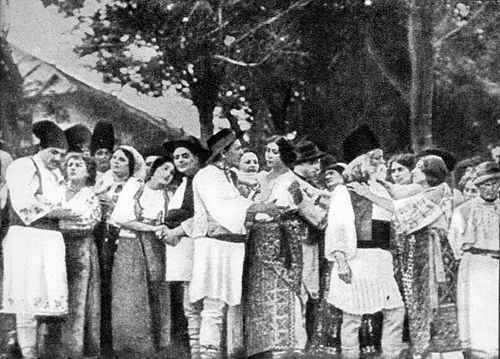
Romanian actor who emerged during the formative years of Romanian cinema in the early 20th century. His career, though brief, coincided with the birth of the Romanian film industry, making him one of the first actors to appear in Romanian-produced motion pictures. Athanasescu's most notable work came in 1912 when he participated in 'The Independence of Romania' (Independenta României), a landmark historical film that dramatized Romania's struggle for sovereignty during the Russo-Turkish War of 1877-1878. As a performer in the silent era, he would have relied heavily on physical expression, gesture, and facial emotion to convey character and story, typical of acting techniques before the advent of sound. His appearance in this significant historical epic places him among the foundational figures of Romanian cinematic arts, though detailed records of his career beyond this single film are scarce. The film itself was directed by Grigore Brezeanu and was ambitious productions of early Romanian cinema, requiring actors who could embody historical figures with gravitas and authenticity. Athanasescu's contribution to this work represents an important though often overlooked chapter in the development of Romanian film culture and the performing arts in Romania during the transition from traditional theater to modern cinema.
The Craft
On Screen
As a silent era actor, Athanasescu would have employed the exaggerated physical gestures, dramatic facial expressions, and body language characteristic of pre-sound cinema performance, emphasizing visual storytelling through movement and expression rather than dialogue
Milestones
- Starred in 'The Independence of Romania' (1912), one of Romania's earliest feature films
- Participated in the birth of Romanian cinema during the silent era
- Contributed to historical film-making in Romania's early film industry
Best Known For
Iconic Roles
Must-See Films
Working Relationships
Worked Often With
Studios
Why They Matter
Impact on Culture
Aurel Athanasescu represents an important though understudied figure in the foundation of Romanian cinema. His participation in 'The Independence of Romania' placed him at the forefront of Romania's efforts to create a national cinema that could celebrate and preserve Romanian history through the new medium of film. This historical epic was among the first attempts by Romanian filmmakers to create large-scale productions that could compete with European cinema of the era, and actors like Athanasescu were essential in bringing Romanian historical narratives to life on screen. The film itself was significant for its patriotic themes and its role in fostering Romanian national identity during a period of growing cultural consciousness in the country. Athanasescu's work, along with that of his contemporaries, helped establish the foundation for Romania's film industry and demonstrated the potential of cinema as a medium for cultural expression and historical education in Romania.
Lasting Legacy
Aurel Athanasescu's legacy lies in his contribution to the very beginnings of Romanian cinema, a period that remains largely undocumented but crucial to understanding the development of film culture in Romania. While his name may not be widely recognized today, his work in 'The Independence of Romania' represents an important milestone in Romanian cultural history. The film itself has become a subject of study for film historians interested in the development of national cinemas in Eastern Europe, and actors like Athanasescu are remembered as pioneers who helped establish the artistic and technical foundations for future generations of Romanian filmmakers. His career, though brief, exemplifies the transition from theatrical performance to cinematic acting that occurred worldwide during the early 20th century, and his participation in one of Romania's first major historical films marks him as an important figure in the preservation of Romanian cultural memory through cinema.
Who They Inspired
As one of the earliest actors in Romanian cinema, Aurel Athanasescu would have influenced subsequent generations of Romanian performers simply by demonstrating the possibilities of film as a medium for dramatic expression. His work in historical cinema helped establish precedents for how Romanian actors could approach the portrayal of national heroes and historical events on screen, a tradition that would continue throughout Romanian film history. The techniques and approaches developed by silent era actors like Athanasescu in adapting theatrical performance to the demands of cinema would have informed the training and style of later Romanian actors, even as the medium evolved with the introduction of sound and more sophisticated production methods.
Off Screen
Very limited information is available about Aurel Athanasescu's personal life, which is typical for actors from the earliest days of Romanian cinema when detailed biographical records were not systematically maintained. As an actor working in Romania during the early 1910s, he would have been part of a small but dedicated community of performers transitioning from traditional Romanian theater to the new medium of cinema.
Did You Know?
- 'The Independence of Romania' (1912) was one of the first feature-length films produced in Romania
- The film depicted events from the Romanian War of Independence of 1877-1878
- Aurel Athanasescu was among the very first professional actors to work in Romanian cinema
- The film was directed by Grigore Brezeanu, a pioneer of Romanian film
- Very few copies of early Romanian films from this period have survived
- The film was produced during the reign of King Carol I of Romania
- Early Romanian cinema often focused on historical and patriotic themes
- Actors in this period typically came from theatrical backgrounds
- The film industry in Romania was still in its infancy, with very limited production resources
- Silent films in Romania often featured intertitles in Romanian with occasional French text
Frequently Asked Questions
Who was Aurel Athanasescu?
Screen credits include 'The Independence of Romania' (1912), one of the earliest feature films produced in Romania. He was among the first professional actors to work in Romanian cinema during its formative years in the early 20th century.
What films is Aurel Athanasescu best known for?
Titles linked here include The Independence of Romania (1912).
When was Aurel Athanasescu born and when did he die?
Specific birth and death dates for Aurel Athanasescu are not documented in available historical records, which is typical for actors from the earliest days of Romanian cinema. We know he was active in 1912 and was of Romanian nationality, but detailed biographical information has been lost to time.
What awards did Aurel Athanasescu win?
Aurel Athanasescu did not receive any documented awards, which is not surprising given that he worked during the very early days of Romanian cinema before formal award systems for film were established in Romania. The Romanian film industry was still in its infancy during his career.
What was Aurel Athanasescu's acting style?
As a silent era actor, Aurel Athanasescu would have used the exaggerated physical gestures, dramatic facial expressions, and body language typical of pre-sound cinema. Silent actors relied heavily on visual storytelling techniques to convey emotions and narrative without the benefit of spoken dialogue.