Marthe Vinot
Actor
Born: December 12, 1894 in Paris, France Died: July 13, 1974 Active: 1912-1914 Birth Name: Marthe Louise Augustine Vinot
Films
3 films

About Marthe Vinot
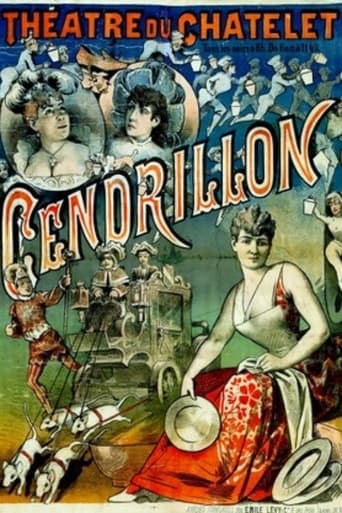
French actress who emerged during the years of cinema, making her mark in the silent film era of the early 1910s. She began her brief but notable career in 1912, appearing in several French productions during what was considered the golden age of French cinema before World War I. Her most significant role came in Georges Méliès-style productions, particularly in the 1912 adaptation of 'Cendrillon' (Cinderella), which showcased the theatrical and magical elements characteristic of early French fantasy films. Vinot's approximately two years, from 1912 to 1914, during which she worked with some of the innovative directors of the period who were experimenting with the new medium of cinema. Her performances reflected the exaggerated, gestural acting style typical of silent films, which emphasized emotion and storytelling through physical expression rather than dialogue. Though her filmography was limited, her work represents an important contribution to the early development of narrative cinema in France, particularly in the fantasy and fairy tale genres that were popular during this period. After her brief acting career, Vinot largely disappeared from public records, suggesting she may have retired from filmmaking as the industry evolved or possibly focused on family life.
The Craft
On Screen
Marthe Vinot employed the theatrical, gestural style typical of early silent film actors, using exaggerated facial expressions and body movements to convey emotions and narrative points to audiences without the benefit of synchronized sound. Her performances were influenced by stage acting traditions, which was common during this transitional period when cinema was still developing its own unique performance techniques.
Milestones
- Starred in 'Cendrillon' (1912), an early French adaptation of Cinderella
- Worked during the period of French cinema
- Participated in the golden age of French silent films before WWI
- Appeared in multiple short films during 1912-1913
Best Known For
Iconic Roles
Must-See Films
Working Relationships
Worked Often With
Studios
Why They Matter
Impact on Culture
Marthe Vinot's work, though brief, represents an important chapter in the development of narrative cinema during its formative years. Her performances in early French silent films contributed to the establishment of acting techniques specifically adapted for the camera, helping bridge the gap between theatrical traditions and cinematic artistry. The films she appeared in, particularly fairy tale adaptations like 'Cendrillon,' were part of a movement that established fantasy and magical realism as enduring genres in cinema, influencing countless future filmmakers.
Lasting Legacy
While not widely remembered today, Marthe Vinot's legacy endures through the preservation of early French cinema and the continued study of silent film performance techniques. Her work serves as a valuable resource for film historians and scholars examining the evolution of acting styles in cinema's first decades. The films she participated in represent important artifacts of French cultural production during the Belle Époque, capturing the artistic sensibilities and storytelling approaches of a pivotal era in film history.
Who They Inspired
As an actress working during cinema's developmental period, Vinot's performances helped establish conventions for silent film acting that would influence subsequent generations of performers. Her work in fantasy and fairy tale adaptations contributed to the visual language of cinematic storytelling, particularly in how magical elements were portrayed through performance. Though she did not have a long career to directly mentor others, her filmed performances served as examples for actors who followed in the silent era.
Off Screen
Marthe Vinot was married to Henri Pouctal, a notable French film director and actor of the silent era, which connected her to one of the influential families in early French cinema. Her marriage to Pouctal likely provided her with opportunities in the film industry during a time when personal connections were crucial for entry into the nascent film business. The couple's relationship represented the collaborative nature of early French cinema, where familial and romantic partnerships often extended to professional collaborations.
Education
No formal acting education records available, typical for actors of this era who often learned through practical experience and on-the-job training
Family
- Henri Pouctal (1912-1920)
Did You Know?
- Her 1912 'Cendrillon' was one of numerous Cinderella adaptations made during the early cinema period, reflecting the fairy tale's popularity with audiences
- She worked during what many consider the golden age of French cinema, before World War I disrupted the European film industry
- Her husband Henri Pouctal was not only a director but also a prominent actor who worked with famous director Georges Méliès
- The films she appeared in were typically short, ranging from 10-30 minutes, which was standard for the period
- Like many early film actors, she likely came from a theatrical background before transitioning to cinema
- Her career coincided with the transition from simple actualities to more complex narrative films in French cinema
- The production companies she worked with, Pathé and Éclair, were among the most influential film studios in the world during the 1910s
In Their Own Words
No documented quotes from Marthe Vinot survive, which is common for actors of the silent era who rarely gave interviews or had their words recorded for posterity
Frequently Asked Questions
Who was Marthe Vinot?
French actress who worked in the silent film era during the early 1910s, primarily known for her role in the 1912 adaptation of 'Cendrillon' (Cinderella). She was active for only about two years but contributed to the development of early French cinema during its golden age before World War I.
What films is Marthe Vinot best known for?
Titles linked here include Cendrillon (1912), Le Crime de la rue Mondétour (1913).
When was Marthe Vinot born and when did she die?
Born December 12, 1894; died July 13, 1974.
What awards did Marthe Vinot win?
Marthe Vinot did not receive any formal awards or nominations during her brief career, which was common for actors of the silent era when formal award systems like the Academy Awards had not yet been established in the film industry.
What was Marthe Vinot's acting style?
Marthe Vinot employed the theatrical, gestural style typical of early silent film actors, using exaggerated facial expressions and body movements to convey emotions. This style was influenced by stage acting traditions and was necessary to communicate story and emotion to audiences without synchronized sound.
Was Marthe Vinot married to anyone in the film industry?
Yes, Marthe Vinot was married to Henri Pouctal, a notable French film director and actor of the silent era. Their marriage connected her to one of the influential families in early French cinema and likely provided her with opportunities in the industry during a time when personal connections were crucial.
Why was Marthe Vinot's career so short?
Marthe Vinot's career lasted only from approximately 1912 to 1914, which was not uncommon for actors of this period. Many early film actors had brief careers due to the evolving nature of the industry, the disruption of World War I, or personal choices to retire from the demanding work of early filmmaking.