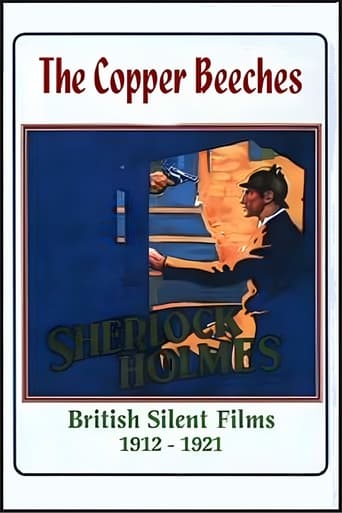

Films
1 film
About Adrien Caillard
Early French film director active during the years of cinema. His career, though brief, coincided with the rapid expansion of the film industry in the early 1910s. Caillard is primarily known for his 1912 adaptation of 'The Copper Beeches,' one of Arthur Conan Doyle's Sherlock Holmes stories, which was part of the early wave of literary adaptations that characterized this period of filmmaking. Working during the transition from short actualities to narrative features, Caillard contributed to the development of cinematic storytelling techniques. His directorial work reflects the emerging visual language of cinema, with an emphasis on staging and composition that would influence subsequent filmmakers. Despite his limited output, Caillard's adaptation of the Holmes story demonstrates the international appeal of literary adaptations in early cinema. His career appears to have been concentrated entirely in the year 1912, making him one of many filmmakers whose work represents the experimental and foundational era of motion picture production.
The Craft
Behind the Camera
Early narrative cinema style with emphasis on literary adaptation and theatrical staging techniques typical of the period
Milestones
- Directed 'The Copper Beeches' (1912)
- Adapted Sherlock Holmes literature to film
- Contributed to early French cinema during the silent era
Best Known For
Must-See Films
Working Relationships
Studios
Why They Matter
Impact on Culture
Adrien Caillard represents the generation of filmmakers who helped establish cinema as a narrative art form. His adaptation of 'The Copper Beeches' contributed to the early popularization of Sherlock Holmes on screen, helping to establish one of cinema's most enduring literary franchises. Though his career was brief, his work exemplifies the international nature of early cinema, with French filmmakers adapting English literature for global audiences. The film itself is part of the broader cultural phenomenon of bringing classic literature to the new medium of motion pictures, a practice that would become central to film industry development throughout the 20th century.
Lasting Legacy
Adrien Caillard's legacy lies in his contribution to early cinematic adaptation of literary works, particularly in bringing Sherlock Holmes to the screen during cinema's formative years. While his name is not widely remembered today, his work is part of the foundation upon which the massive Sherlock Holmes film franchise was built. His 1912 film represents an early example of the crime/mystery genre in cinema, helping to establish conventions that would influence countless future filmmakers. As a representative of early French cinema, Caillard's work contributes to our understanding of how national film industries developed and interacted during cinema's first decades.
Who They Inspired
While direct influence from Adrien Caillard's brief career is difficult to trace, his adaptation of Sherlock Holmes contributed to the early establishment of detective fiction as a viable film genre. His work, along with other early Holmes adaptations, helped demonstrate the commercial and artistic potential of literary adaptations, encouraging subsequent filmmakers to explore similar projects. The visual and narrative approaches used in his 1912 film would have been part of the collective development of cinematic language that influenced the next generation of filmmakers.
Off Screen
Very little is documented about Adrien Caillard's personal life, which is common for many early cinema figures whose work predated the extensive documentation that became standard in later film industry years.
Did You Know?
- 'The Copper Beeches' is one of the earliest known film adaptations of a Sherlock Holmes story
- The film was produced during a period when Sherlock Holmes adaptations were extremely popular in early cinema
- 1912 was a pivotal year in film history, marking the transition from short films to longer narrative features
- Early French filmmakers like Caillard were instrumental in developing cinematic language and techniques
- The survival status of 'The Copper Beeches' (1912) is unknown, as many films from this period have been lost
- Sherlock Holmes was
- French cinema was particularly influential in the early 1910s, before World War I shifted the industry's center
Frequently Asked Questions
Who was Adrien Caillard?
French on YTB.my.
What films is Adrien Caillard best known for?
Titles linked here include The Copper Beeches (1912).
When was Adrien Caillard born and when did he die?
Specific birth and death dates for Adrien Caillard are not documented in available historical records, which is common for many early cinema figures from this period.
What awards did Adrien Caillard win?
No awards or honors have been documented for Adrien Caillard, as he worked during the early years of cinema before formal award systems were established.
What was Adrien Caillard's directing style?
Caillard's directing style reflected the early narrative cinema techniques of 1912, with theatrical staging and an emphasis on literary adaptation typical of French filmmakers of this era.
Is 'The Copper Beeches' (1912) still available to watch?
The survival status of Caillard's 'The Copper Beeches' is unknown, as many films from 1912 have been lost over time due to the fragile nature of early film stock.
How significant was Sherlock Holmes in early cinema?
Sherlock Holmes was extremely popular in early cinema, with numerous adaptations produced between 1900-1920, making Caillard's film part of a significant trend in bringing literary detective fiction to the screen.