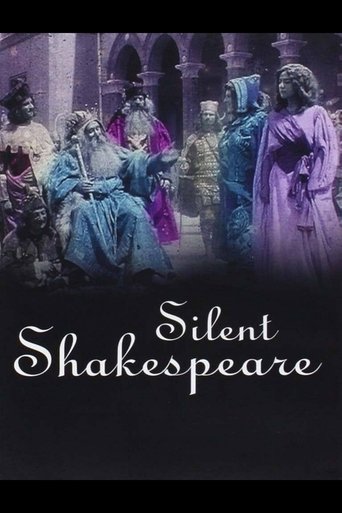
Films
1 film
About Gerolamo Lo Savio
Italian film director active during the era of cinema, best known for his 1910 adaptation of Shakespeare's King Lear. Working during the birth of narrative filmmaking, Lo Savio was part of the first generation of directors who helped establish cinema as an artistic medium. His adaptation of King Lear represents one of the earliest cinematic interpretations of Shakespeare's work, demonstrating the ambitious artistic aspirations of early Italian filmmakers. Like many directors of his era, Lo Savio's career was likely brief but significant, contributing to the foundation of what would become Italy's golden age of silent cinema. His work exemplifies the transition from simple actualities to complex narrative storytelling that defined cinema's evolution from 1905-1915. Though his filmography appears limited to primarily 1910, his contribution to early literary adaptations helped establish important precedents for future filmmakers.
The Craft
Behind the Camera
Lo Savio's directing style reflected the theatrical influences common in early cinema, with emphasis on dramatic gestures and stage-like compositions typical of the 1910 period. His approach to adapting literary works demonstrated an understanding of visual storytelling that was innovative for its time, using the limited cinematic tools available to translate complex dramatic narratives to the screen.
Milestones
- Directed King Lear (1910), one of the earliest film adaptations of Shakespeare's tragedy
- Pioneered literary adaptation in early Italian cinema
- Contributed to the development of narrative filmmaking during cinema's formative years
Best Known For
Must-See Films
Working Relationships
Studios
Why They Matter
Impact on Culture
Gerolamo Lo Savio's contribution to cinema history, while perhaps not widely recognized today, represents an important part of the foundation of film as an art form. His 1910 adaptation of King Lear stands as an early example of literary adaptation in cinema, demonstrating how filmmakers of the period sought to legitimize the new medium by adapting respected literary works. This approach helped establish cinema as more than mere entertainment, elevating it to a form capable of handling complex dramatic material and classical literature. His work contributed to the rich tradition of Italian cinema that would flourish in subsequent decades.
Lasting Legacy
Lo Savio's legacy lies in his role as one of the pioneers who helped establish cinema's capability for literary adaptation during its formative years. While his name may not be widely known outside of film scholarship circles, his work on King Lear (1910) represents an important milestone in the history of Shakespeare on film and the broader development of narrative cinema. His contributions exemplify the artistic ambitions of early filmmakers who saw the potential of cinema as a serious art form worthy of adapting the world's greatest literature.
Who They Inspired
As an early pioneer, Lo Savio's influence would have been primarily on his contemporaries and immediate successors in Italian cinema, particularly in establishing precedents for literary adaptation. His work on Shakespeare helped demonstrate that complex dramatic narratives could be successfully translated to the silent medium, influencing subsequent generations of filmmakers who would continue to adapt classical works for the screen.
Off Screen
Very little documented information exists about Gerolamo Lo Savio's personal life, which is common for many early cinema pioneers whose records were not as meticulously preserved as those of later film industry figures. As an Italian director working during the earliest days of cinema, he was part of a generation of filmmakers who helped establish the medium before it became a major industry with comprehensive documentation.
Did You Know?
- King Lear (1910) is one of the earliest known film adaptations of Shakespeare's tragedy
- Lo Savio worked during the period when cinema was transitioning from simple actualities to narrative storytelling
- His film was produced during Italy's early cinema boom, when the country was one of the world's leading film producers
- Like many early films, Lo Savio's King Lear is likely lost, as only a small percentage of silent films survive today
- Early Italian directors often adapted literary classics to give cinema artistic legitimacy
- The 1910 period was crucial for establishing film grammar and techniques that would become standard
- Shakespeare adaptations were particularly popular in early cinema due to their public domain status and literary prestige
Frequently Asked Questions
Who was Gerolamo Lo Savio?
Italian on YTB.my. He was one of the filmmakers who helped establish cinema as a medium for literary adaptation during its formative years.
What films is Gerolamo Lo Savio best known for?
Titles linked here include King Lear (1910).
When was Gerolamo Lo Savio born and when did he die?
Born 1885; died death date not listed.
What awards did Gerolamo Lo Savio win?
There are no documented awards or honors for Gerolamo Lo Savio, which is typical for filmmakers working in the earliest days of cinema before formal award systems were established.
What was Gerolamo Lo Savio's directing style?
Lo Savio's directing style reflected the theatrical influences common in early 1910s cinema, with emphasis on dramatic compositions and gestures typical of the period. His approach to literary adaptation demonstrated innovative use of limited cinematic tools to translate complex narratives to film.