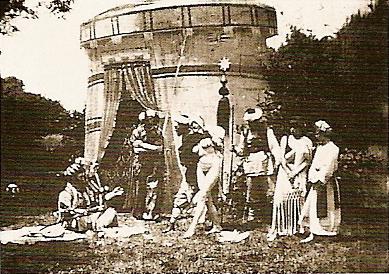
Johann Schwarzer
Director
Born: August 30, 1880 in Jablunkov, Austria-Hungary (now Czech Republic) Died: October 10, 1914 Active: 1906-1914
Films
5 films

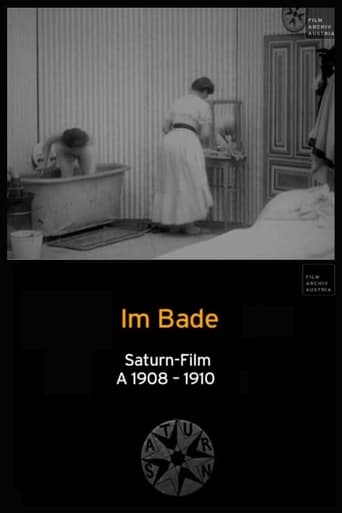
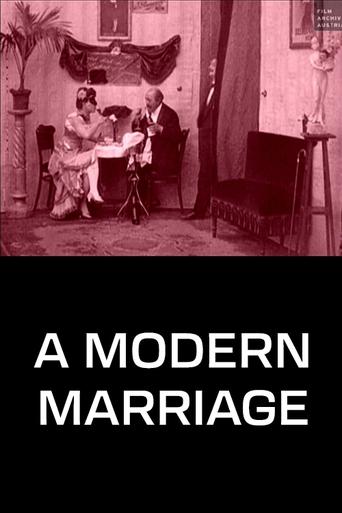

About Johann Schwarzer
Austrian film director, producer, and photographer who became one of the earliest pioneers of erotic cinema during the silent era. Born in 1880 in what was then Austria-Hungary, he founded the Saturn-Film company in Vienna around 1906, which specialized in producing short erotic films that were considered scandalous for their time. Between 1906 and 1911, Schwarzer directed and produced numerous films featuring nude or partially nude women in various scenarios, pushing the boundaries of what was acceptable in early cinema. His works, while technically primitive by modern standards, were notable for their relatively sophisticated camera work and composition compared to other erotic films of the period. Schwarzer's film career was abruptly interrupted when he was drafted into military service at the outbreak of World War I in 1914. He died in combat on October 10, 1914, at the age of 34, cutting short what might have been a more influential career in early European cinema.
The Craft
Behind the Camera
Schwarzer's directing style was characterized by its straightforward, almost documentary-like approach to erotic subjects. He employed static camera positions typical of early cinema but showed remarkable compositional awareness, often using natural lighting and carefully staged scenes. His films featured minimal narrative structure, focusing instead on voyeuristic glimpses of women in various states of undress engaged in mundane activities like bathing, dressing, or exercising. Despite the controversial nature of his content, Schwarzer maintained a relatively artistic approach, avoiding explicit sexual acts in favor of suggestive nudity and sensual situations.
Milestones
- Founded Saturn-Film company in Vienna (1906)
- Produced first Austrian erotic films
- Directed over 50 short erotic films
- Pioneered early techniques in nude cinematography
- Became
Best Known For
Must-See Films
Accolades
Special Recognition
- Recognized as a pioneer of erotic cinema in film historical studies
- Subject of academic research on early European pornography
- Featured in retrospectives on pre-WWI European cinema
Working Relationships
Worked Often With
Studios
Why They Matter
Impact on Culture
Johann Schwarzer's work represents a crucial chapter in the development of erotic cinema and the exploration of sexuality in early film. His Saturn-Film productions were among the first commercially successful erotic films in Europe, establishing a template for the genre that would influence filmmakers for decades. Despite facing censorship and legal challenges, Schwarzer's films circulated widely throughout Europe, contributing to the gradual normalization of sexual content in cinema. His work also provides valuable historical insight into early 20th century attitudes toward sexuality, nudity, and morality, reflecting the tensions between Victorian values and emerging modern sensibilities. Schwarzer's films, while controversial, demonstrated that there was a significant market for erotic content, paving the way for the more sophisticated explorations of sexuality that would appear in European art cinema of the 1920s and beyond.
Lasting Legacy
Johann Schwarzer's legacy lies primarily in his role as a pioneer of erotic cinema and his contribution to the early development of film as a medium for exploring adult themes. His Saturn-Film productions, while technically primitive, were groundbreaking in their approach to depicting nudity and sexuality on screen. Modern film historians and scholars recognize Schwarzer as an important figure in understanding the evolution of erotic cinema and the complex relationship between early film and social taboos. His surviving films serve as valuable historical documents that provide insight into early 20th century European culture, sexuality, and the boundaries of acceptable content in emerging mass media. Schwarzer's work continues to be studied in academic contexts examining the origins of pornography, the development of film censorship, and the evolution of sexual representation in cinema.
Who They Inspired
Schwarzer influenced subsequent generations of erotic filmmakers by establishing many of the conventions that would define the genre for decades. His focus on everyday scenarios involving nudity, his use of natural settings, and his relatively artistic approach to erotic content became standard elements in European erotic cinema. The commercial success of his Saturn-Film productions demonstrated the viability of erotic films as a business model, encouraging other entrepreneurs to enter the field. His work also influenced the development of censorship laws and film classification systems throughout Europe, as authorities struggled to respond to the growing availability of erotic content. Later art cinema directors, particularly those working in European avant-garde and erotic art film traditions, owe a debt to pioneers like Schwarzer who first explored the possibilities of representing sexuality on screen.
Off Screen
Johann Schwarzer was married but details about his personal relationships remain largely undocumented due to the controversial nature of his work and the passage of time. He worked as a photographer before transitioning to filmmaking, which likely influenced his visual sensibility and composition in his films. His decision to focus on erotic cinema was both a business choice and artistic inclination, though it brought him considerable legal troubles and social condemnation during his lifetime. Schwarzer was drafted into the Austro-Hungarian army at the outbreak of World War I, where he served as a soldier before being killed in action.
Education
Limited information available; likely trained as a photographer before entering film industry
Family
- Unknown (name not documented in historical records)
Did You Know?
- Schwarzer's Saturn-Film was one of the first companies to specialize exclusively in erotic films
- His films were often only 1-3 minutes long, typical of early cinema
- Many of Schwarzer's films were destroyed or lost due to their controversial nature
- He faced multiple legal challenges and censorship attempts during his career
- His films were distributed throughout Europe despite their illegal status in many countries
- Schwarzer used both professional models and amateur actresses in his productions
- The Saturn-Film company produced approximately 52 erotic films under Schwarzer's direction
- His films were often shown in private screenings or special 'men's clubs'
- Schwarzer's work predated the more famous American 'stag films' by several years
- Some of his surviving films are preserved in film archives as important historical documents
In Their Own Words
No documented quotes from Johann Schwarzer survive in historical records
Frequently Asked Questions
Who was Johann Schwarzer?
Austrian on YTB.my. He founded Saturn-Film in Vienna and produced numerous controversial short films featuring nudity between 1906 and 1911, making him one of the earliest figures in erotic filmmaking history.
What films is Johann Schwarzer best known for?
Titles linked here include The Slave Market (1907), The Vain Parlor Maid (1908).
When was Johann Schwarzer born and when did he die?
Born August 30, 1880; died October 10, 1914.
What was Johann Schwarzer's impact on early cinema?
Schwarzer significantly impacted early cinema by establishing erotic filmmaking as a commercial genre and pushing boundaries regarding sexual content in film. His Saturn-Film productions demonstrated market demand for erotic content and influenced subsequent filmmakers, while also prompting early censorship discussions and legal frameworks for film content regulation.
How did Johann Schwarzer's career end?
Schwarzer's film career ended abruptly with the outbreak of World War I in 1914. He was drafted into military service and died in combat on October 10, 1914, cutting short his influential work in early European cinema at the age of 34.