Forugh Farrokhzad
Actor & Director
Born: December 29, 1934 in Tehran, Iran Died: February 13, 1967 Active: 1962-1962
Films
1 film
About Forugh Farrokhzad
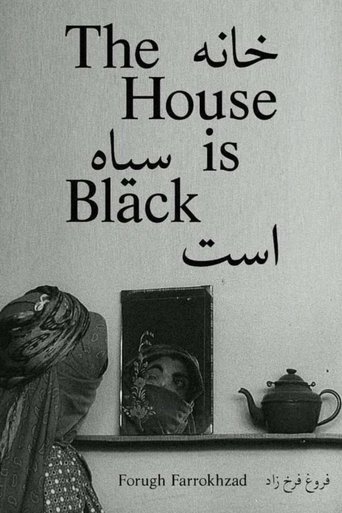
Forugh Farrokhzad was primarily a revolutionary Iranian poet who made one documentary film that became a masterpiece of world cinema. Born in Tehran in 1934, she began writing poetry as a teenager and published her first collection 'The Captive' in 1955, which caused controversy for its frank exploration of female desire and independence. Her poetry challenged the conservative norms of Iranian society, making her both celebrated and controversial. In 1962, she directed her only film 'The House Is Black,' a powerful documentary about a leprosy colony in Tabriz, which combined poetic narration with stark, compassionate imagery. The film won several international awards and established her as an important voice in Iranian New Wave cinema, though she remained primarily known as a poet. Tragically, her life was cut short when she died in a car accident on February 13, 1967, at age 32, leaving behind a legacy that both Persian literature and Iranian cinema.
The Craft
Behind the Camera
Poetic documentary style combining compassionate observation with lyrical narration, using stark black-and-white cinematography to humanize subjects while maintaining artistic distance. Her approach blended social consciousness with poetic sensibility, creating a unique fusion of documentary realism and artistic expression.
Milestones
- Publication of controversial poetry collection 'The Captive' (1955)
- Directed acclaimed documentary 'The House Is Black' (1962)
- Became voice of female liberation in Persian literature
- International recognition for 'The House Is Black' at film festivals
- Influenced Iranian New Wave cinema movement
Best Known For
Must-See Films
Accolades
Won
- Best Documentary Film, Oberhausen International Short Film Festival (1963)
- Special Mention, Locarno International Film Festival (1963)
Special Recognition
- Recognized as figure in Iranian cinema
- Honored as revolutionary voice in Persian poetry
- Film restored and preserved by Criterion Collection
Working Relationships
Worked Often With
Why They Matter
Impact on Culture
Forugh Farrokhzad's impact extends far beyond her single film, as she revolutionized both Persian poetry and Iranian cinema. 'The House Is Black' is considered a foundational text of Iranian New Wave cinema, influencing directors like Abbas Kiarostami and Mohsen Makhmalbaf. Her fearless exploration of taboo subjects in both poetry and film challenged the conservative norms of Iranian society and opened doors for future generations of female artists. The film's compassionate yet unflinching portrayal of marginalized communities set a new standard for socially conscious documentary filmmaking.
Lasting Legacy
Forugh Farrokhzad's legacy is that of a trailblazer who broke boundaries in both literature and cinema. As a poet, she is considered. Her single film 'The House Is Black' has achieved canonical status in world cinema, regularly appearing in lists of greatest documentaries ever made. Her work continues to inspire artists, feminists, and filmmakers around the world, and her life story has become symbolic of artistic courage and resistance to social oppression.
Who They Inspired
Farrokhzad influenced Iranian New Wave cinema through her innovative documentary approach, combining poetic narration with stark realism. Her work inspired filmmakers like Abbas Kiarostami, who cited her as a major influence. In literature, she paved the way for female poets in Iran to write freely about personal and political themes. Her fusion of poetry and documentary techniques created a template for artistic documentary filmmaking that continues to influence filmmakers globally. Her courage in addressing social issues through art has inspired generations of artists to use their work as a vehicle for social change.
Off Screen
Forugh Farrokhzad led a controversial personal life that mirrored her revolutionary artistic vision. She married at age 16 to Parviz Shapour, a satirist, and had a son named Kamyar, but the marriage ended in divorce after four years. Her relationships and independence scandalized conservative Iranian society. She had a significant relationship with Ebrahim Golestan, a prominent Iranian writer and filmmaker, who influenced her work and remained her companion until her death. Her life was marked by struggles against societal constraints and her determination to live and create on her own terms.
Education
Studied painting and dressmaking in high school, largely self-taught in poetry and filmmaking
Family
- Parviz Shapour (1950-1954)
Did You Know?
- 'The House Is Black' was her only film, yet it's considered one of the greatest documentaries ever made
- She adopted a child from the leprosy colony featured in her film
- The film's script was written as a poem, reflecting her primary artistic identity
- Her poetry was banned in Iran for years after the 1979 revolution
- She learned filmmaking techniques while working at Golestan Film Studio
- Her death at age 32 cut short what many believed would be a brilliant film career
- The film was shot in only 12 days
- Her work remains censored in parts of Iran to this day
- She was one of the first female directors in Iranian cinema
- The film's score was composed by her then-partner Ebrahim Golestan
In Their Own Words
I would like to be the air that inhabits you for a moment only. I would like to be that unnoticed and that necessary.
I feel sorrow for the flower that was never allowed to blossom.
Only you can understand my silence.
I am a sinner from head to foot, and every inch of me is sinful.
Sin is one of the ways we have of showing that we are alive.
Frequently Asked Questions
Who was Forugh Farrokhzad?
Revolutionary Iranian poet and documentary filmmaker who made one acclaimed film 'The House Is Black' (1962). She is considered.
What films is Forugh Farrokhzad best known for?
Titles linked here include The House Is Black (1962).
When was Forugh Farrokhzad born and when did she die?
Born December 29, 1934; died February 13, 1967.
What awards did Forugh Farrokhzad win?
Her film 'The House Is Black' won Best Documentary at the Oberhausen International Short Film Festival and received a Special Mention at Locarno in 1963. The film continues to be recognized as one of the greatest documentaries ever made.
What was Forugh Farrokhzad's directing style?
Her directing style combined poetic narration with stark, compassionate documentary realism. She used black-and-white cinematography to create powerful visual metaphors while maintaining deep empathy for her subjects, particularly the leprosy colony residents.
How did Forugh Farrokhzad influence Iranian cinema?
Her single film established key techniques of the Iranian New Wave, including poetic documentary style, social consciousness, and artistic realism. She influenced major directors like Abbas Kiarostami and demonstrated how cinema could address social issues with artistic depth.