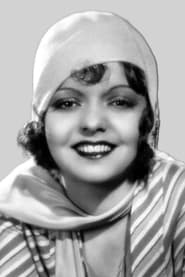
Sally Starr
Actor
Born: January 21, 1909 in New York City, New York, USA Died: March 25, 1996 Active: 1929-1933 Birth Name: Sarah L. Sturm
Films
3 films

About Sally Starr
Sally Starr, born Sarah L. Sturm, was an American actress who emerged during Hollywood's critical transition from silent films to talkies in the late 1920s. Her brief but notable from 1929 to 1933, capturing the essence of early sound cinema. She gained recognition for her roles in MGM productions, particularly in musicals and comedies that showcased the new sound technology. Starr appeared alongside some of the era's rising stars and established actors, adapting her performance style to meet the demands of synchronized sound. Her filmography, though limited, represents an important snapshot of the challenges and opportunities faced by actors during this transformative period in Hollywood history. After her film career ended, she largely retreated from public life, leaving behind a legacy as a representative of the countless performers who navigated the tumultuous early sound era.
The Craft
On Screen
Adapted from silent film techniques to early sound performance, embodying the theatrical style necessary for early microphones while transitioning to more naturalistic delivery
Milestones
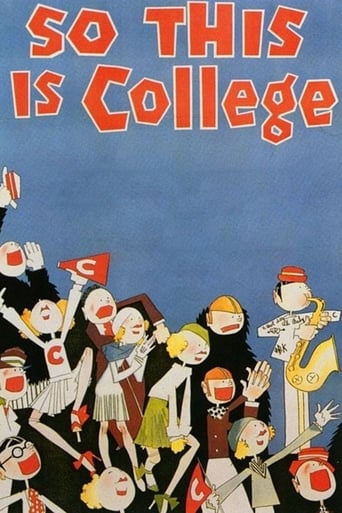
- Film debut in So This Is College (1929)
- Worked with MGM during early sound era
- Appeared in transition period films
- Part of Hollywood's talkie revolution
Best Known For
Iconic Roles
Must-See Films
Working Relationships
Worked Often With
Studios
Why They Matter
Impact on Culture
Sally Starr represents the hundreds of actors who worked during Hollywood's pivotal transition to sound cinema. Her career, though brief, exemplifies the challenges faced by performers who had to adapt their skills from silent film acting to the new demands of talkies. The films she appeared in, particularly 'So This Is College,' serve as historical artifacts documenting the evolution of cinematic techniques and performance styles during this revolutionary period. Starr and her contemporaries were instrumental in helping establish the conventions of sound acting that would dominate Hollywood for decades to come.
Lasting Legacy
Though not a major star, Sally Starr's legacy lies in her contribution to early sound cinema and her representation of the working actors who helped bridge the gap between silent and talking pictures. Her films remain valuable to film historians and scholars studying the transition period in Hollywood. As one of the many performers who successfully navigated the technical and artistic challenges of early sound recording, she helped pave the way for future generations of actors. Her story is typical of many Hollywood careers of the era - brief but meaningful contributions during a time of unprecedented technological and artistic change in the film industry.
Who They Inspired
While Sally Starr did not achieve the level of stardom that would have allowed her to directly influence other actors, her work in early talkies contributed to the collective learning process that defined sound cinema performance. Like many actors of her generation, she helped establish the techniques and approaches that would become standard in film acting. Her performances, though not widely remembered today, were part of the foundation upon which later actors built their careers in sound pictures.
Off Screen
Sally Starr was born Sarah L. Sturm in New York City and began her entertainment career during the exciting but challenging transition period from silent to sound films. After her brief Hollywood career ended in 1933, she largely stepped away from the entertainment industry and lived a private life. She eventually moved to Los Angeles where she spent her later years away from the public eye. Starr never married and had no children, focusing instead on her personal interests outside of Hollywood. She passed away in Los Angeles in 1996 at the age of 87, having witnessed the complete transformation of the film industry she briefly participated in decades earlier.
Education
Limited information available, likely received standard education for the period with possible early theater or dramatic training
Did You Know?
- Born Sarah L. Sturm but used the stage name Sally Starr for her film career
- Her entire film active years covered only four years during Hollywood's transition to sound
- Appeared in 'So This Is College' (1929), one of MGM's early musical experiments
- Worked during the same period when many silent film stars' careers ended due to their voices or acting styles not translating well to talkies
- Her career coincided with the Great Depression, which dramatically affected Hollywood production and actor opportunities
- Like many actors of her era, she likely had to undergo voice testing to determine her suitability for sound pictures
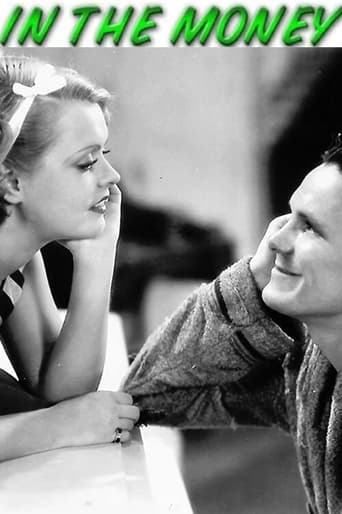
- Her film 'In the Money' (1933) was released during the height of the Depression, reflecting the economic concerns of the era
- She represents the typical career trajectory of many supporting actors during early sound cinema - brief but significant contributions
- After leaving films, she completely disappeared from public life, unlike many former actors who remained in entertainment through other mediums
Frequently Asked Questions
Who was Sally Starr?
American actress who worked in Hollywood during the early sound era from 1929 to 1933. Born Sarah L. Sturm, she appeared in several films including 'So This Is College' and 'In the Money,' representing the many actors who navigated Hollywood's transition from silent films to talkies.
What films is Sally Starr best known for?
Titles linked here include So This Is College (1929), In the Money (1933).
When was Sally Starr born and when did she die?
Born January 21, 1909; died March 25, 1996.
What awards did Sally Starr win?
There are no records of Sally Starr receiving major awards or nominations during her brief film career. Like many supporting actors of her era, her contributions were primarily through her performances rather than formal recognition.
What was Sally Starr's acting style?
Sally Starr's acting style represented the transition from silent film performance to early sound cinema. She adapted the theatrical techniques necessary for early microphone technology while helping establish the more naturalistic delivery that would become standard in talking pictures.