George Bickel
Actor
Born: February 17, 1863 in Saginaw, Michigan, USA Died: June 5, 1941 Active: 1890s-1933 Birth Name: George Leonhard Bickel
Films
1 film
About George Bickel
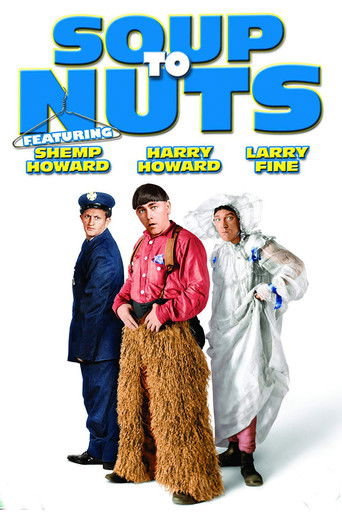
George Leonhard Bickel — prominent American comedian and character actor whose the transition from the circus ring and vaudeville stage to the early sound era of Hollywood. Born in Saginaw, Michigan, in 1863, he began his entertainment journey as a 'Dutch' comedian, a popular vaudeville archetype that utilized a thick German dialect for comedic effect. He achieved significant fame as part of a trio with Harry Watson Jr. And Ed Lee Wrothe, later forming a celebrated duo with Watson that starred in multiple editions of the Ziegfeld Follies between 1907 and 1910. Bickel's transition to film began in the silent era with a series of comedy shorts for the Edison Company, where he often played the character 'Willie Work.' After a successful return to the Broadway stage in the 1920s, he moved to Hollywood during the early talkie period, appearing in notable films such as 'Soup to Nuts' (1930) alongside the original Three Stooges. He remained active in character roles until the early 1930s, leaving behind a legacy as a versatile performer who bridged the gap between 19th-century variety entertainment and modern cinema.
The Craft
On Screen
Bickel excelled in the 'Dutch' dialect comedy, a style that relied on exaggerated German accents and physical slapstick. He was also a multi-instrumentalist, often incorporating the violin, trombone, and cornet into his acts to create 'comic discords' that delighted audiences. His screen presence was characterized by a blend of vaudevillian timing and the expressive physicality required for early silent film comedy.
Milestones
- Formed the famous vaudeville comedy trio 'Me, Myself and I' with Harry Watson Jr. And Ed Lee Wrothe
- Starred in the inaugural 'Ziegfeld Follies of 1907' and subsequent editions in 1908 and 1910
- Originated the 'Clown Band' concept in circuses like Ringling Bros. And Barnum & Bailey
- Appeared in over 45 silent and sound films, including the film debut of The Three Stooges
- Inducted into the Saginaw County Hall of Fame for his contributions to the performing arts
Best Known For
Iconic Roles
Must-See Films
Accolades
Special Recognition
- Saginaw County Hall of Fame Inductee
- Featured performer in the original Ziegfeld Follies
Working Relationships
Worked Often With
Studios
Why They Matter
Impact on Culture
Pioneer of the 'Clown Band' concept, an act that became a staple of the American circus and influenced generations of physical comedians. His work in the Ziegfeld Follies helped define the aesthetic of the American musical revue during its golden age. By successfully transitioning from the circus and vaudeville to the early sound films of the 1930s, he served as a vital link between the broad comedy of the 19th century and the structured narrative comedy of Hollywood.
Lasting Legacy
Bickel is remembered as one of the premier 'Dutch' comedians of his era, a performer who could command the stage with both his voice and his musical talent. His appearance in 'Soup to Nuts' ensures his place in film history as a supporting player in the birth of The Three Stooges' cinematic career. He is honored in his hometown of Saginaw as a figure of the 'footlights and the sawdust ring.'
Who They Inspired
His use of musical instruments for comedic effect influenced later musical-comedy acts, and his 'Dutch' dialect routines were a blueprint for the ethnic comedy that dominated early 20th-century American entertainment.
Off Screen
Bickel grew up in a German-speaking household in Saginaw, which informed his later success as a dialect comedian. He was married to Beatrice Boston, an English dancer who performed with the Dunbar Sisters vaudeville act. The couple had two children together, George and Beatrice, and eventually settled in Los Angeles during his later years in the film industry.
Education
Self-taught musician; learned to play instruments in an abandoned barn in Saginaw using a custom marking system on the walls.
Family
- Beatrice Boston
Did You Know?
- He was a proficient trombone and violin player despite never learning to read music.
- His first job in show business was carrying a sign on his back to advertise local theater productions.
- He and Harry Watson Jr. Were so popular that the Marx Brothers were often compared to them in their early years.
- Bickel appeared in the very first edition of the Ziegfeld Follies in 1907.
- He played a character named 'Willie Work' in several silent shorts, a name later used by other comedians.
- He is buried in Forest Lawn Cemetery in Saginaw, Michigan.
In Their Own Words
I couldn't read a note of music, so I worked out a system of my own and marked all the different pieces on the white-washed walls until the whole inside of the barn was covered. (Reflecting on his childhood musical education)
Frequently Asked Questions
Who was George Bickel?
Famous American vaudeville comedian and character with credits in this catalog. He later transitioned to Hollywood films during the early sound era.
What films is George Bickel best known for?
Titles linked here include Soup to Nuts (1930), Broken Lullaby (1932).
When was George Bickel born and when did he die?
Born February 17, 1863; died June 5, 1941.
What was George Bickel's acting style?
He specialized in 'Dutch' dialect comedy, using a thick German accent and physical slapstick. He was also known for his 'comic orchestra' routines where he played instruments like the violin and trombone for laughs.
Did George Bickel work with The Three Stooges?
Yes, he appeared alongside Ted Healy and the original Three Stooges (Moe, Larry, and Shemp) in their first feature film, 'Soup to Nuts', in 1930.