Bill Patton
Actor
Born: June 26, 1894 in Amarillo, Texas, USA Died: December 12, 1951 Active: 1920-1929 Birth Name: William H. Patton
Films
3 films
About Bill Patton
American actor who found his niche during the golden age of silent westerns in the 1920s. Born in 1894, he began his film career in the early 1920s and quickly became a familiar face in the burgeoning Hollywood western genre. Patton specialized in portraying rugged characters, often as villains or antagonists, earning him the nickname 'Wild Bill' among his contemporaries. His physical presence and commanding screen presence made him a natural fit for the demanding physical roles required in silent action films. Throughout the decade, he appeared in dozens of westerns and action pictures, working with many of the era's notable directors and stars. As the industry transitioned to sound films in the late 1920s, Patton's career began to wane, as happened with many silent-era specialists. His final film appearances came around 1929, marking the end of a decade-long career that on the silent western genre.
The Craft
On Screen
Patton was known for his physical, expressive acting style typical of the silent era, using exaggerated gestures and facial expressions to convey emotion. His rugged appearance and commanding presence made him particularly effective in action sequences and confrontational scenes. He specialized in portraying tough, often villainous characters with a menacing screen presence that required little dialogue to establish his character's intentions.
Milestones
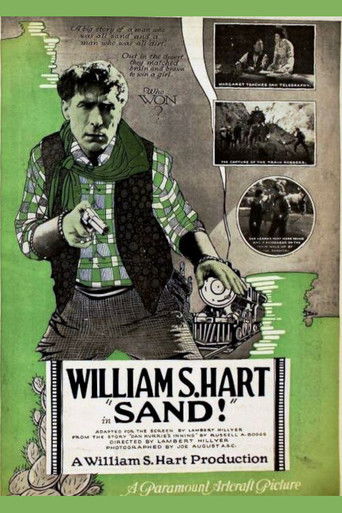
- Breakthrough role in 'Sand' (1920)
- Prolific work in western films throughout the 1920s
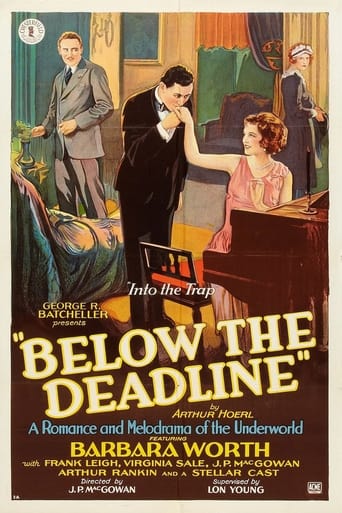
- Memorable performance in 'Below the Deadline' (1929)
- Established himself as a reliable character actor in silent westerns
Best Known For
Iconic Roles
Must-See Films
Working Relationships
Worked Often With
Studios
Why They Matter
Impact on Culture
Bill Patton contributed to the development of the American western film genre during its formative years in the 1920s. As a reliable character actor, he helped establish many of the archetypal roles and character types that would become staples of western cinema. His work, while not leading-man status, provided essential support to the stars of the era and helped create the visual language of silent westerns. The physical acting techniques he employed influenced subsequent generations of western actors, particularly in conveying menace and toughness without dialogue.
Lasting Legacy
Though largely forgotten by mainstream film history, Bill Patton's legacy lives on through his extensive body of work in silent westerns. Film historians and silent cinema enthusiasts recognize him as an important contributor to the genre's development. His films, though rarely screened today, remain valuable artifacts of early American cinema and the evolution of the western as a film genre. Patton represents the countless character actors who were essential to Hollywood's success during the silent era but whose names have faded with time.
Who They Inspired
Patton's approach to playing antagonistic roles in westerns helped establish templates for villainous characters that would be refined by later actors. His physical acting style influenced how silent film actors conveyed emotion and character traits without dialogue. While he didn't mentor specific individuals who went on to fame, his work contributed to the collective knowledge of film acting techniques that passed through the studio system.
Off Screen
Bill Patton maintained a relatively private personal life away from the Hollywood spotlight. He married once and had children, though details about his family life remain scarce in historical records. Like many actors of his era, he struggled with the transition to sound films and eventually left the industry. After retiring from acting, he lived a quiet life away from the entertainment business until his death in 1951 at the age of 57.
Education
Unknown
Family
- Unknown
Did You Know?
- Nicknamed 'Wild Bill' during his acting career
- Appeared in over 50 films during his decade-long career
- Specialized almost exclusively in western and action films
- Often played the villain or antagonist to the film's hero
- His career ended with the transition to sound films
- Born in Texas, which likely contributed to his authentic western persona
- Worked with many of the biggest western stars of the silent era
- Was known for performing his own stunts in action sequences
- His final film appearances coincided with the stock market crash of 1929
- Like many silent actors, he struggled to adapt to the demands of sound cinema
Frequently Asked Questions
Who was Bill Patton?
American with credits in this catalog. He was known for playing villainous characters and antagonists, earning the nickname 'Wild Bill' among his contemporaries.
What films is Bill Patton best known for?
Titles linked here include Sand (1920), Below the Deadline (1929).
When was Bill Patton born and when did he die?
Born June 26, 1894; died December 12, 1951.
What awards did Bill Patton win?
There are no recorded awards or nominations for Bill Patton, which was common for character actors during the silent era when formal recognition systems were limited.
What was Bill Patton's acting style?
Patton employed a physical, expressive acting style typical of silent films, using exaggerated gestures and facial expressions. He specialized in portraying tough, menacing characters with a commanding screen presence that required minimal dialogue to establish his character's intentions.