
Films
3 films

About Johannes Meyer
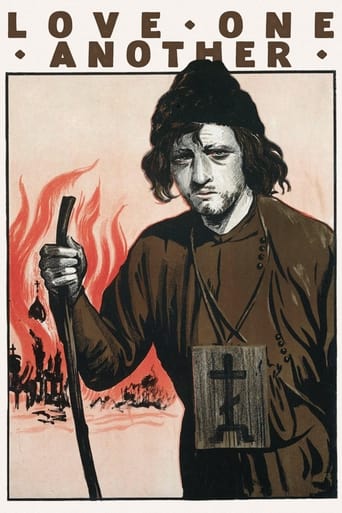
Early European cinema actor who emerged during the silent film era, primarily active in the early 1920s. His brief but notable career included appearances in two significant European productions that showcased the artistic ambitions of early cinema. He worked with directors who were pushing the boundaries of cinematic expression during this formative period. His role in Carl Theodor Dreyer's 'Leaves from Satan's Book' placed him at the forefront of Danish cinema's golden age, working alongside one of cinema's most influential auteurs. The following year, he appeared in 'Love One Another' (also known as 'Die Gezeichneten'), another socially conscious European production that addressed themes of persecution and prejudice. Though his filmography was brief, Meyer contributed to important early works that helped establish cinema as a serious artistic medium in Europe. His career appears to have been concentrated in the early 1920s, coinciding with the maturation of silent film as an art form.
The Craft
Milestones
- Appeared in Carl Theodor Dreyer's 'Leaves from Satan's Book' (1921)
- Starred in 'Love One Another' (1922)
- Contributed to early European silent cinema
- Worked during the artistic maturation of silent film
Best Known For
Must-See Films
Working Relationships
Worked Often With
Why They Matter
Impact on Culture
Johannes Meyer's contribution to early cinema, while brief, was part of the broader European artistic movement that elevated silent film from mere entertainment to serious art. His participation in 'Leaves from Satan's Book' connected him to one of cinema's most important early directors, Carl Theodor Dreyer, whose work would influence generations of filmmakers. The films Meyer appeared in dealt with profound themes of good versus evil and social injustice, reflecting the artistic ambitions of European cinema during this period. These works helped establish cinema as a medium capable of tackling complex moral and social issues, paving the way for more sophisticated narrative filmmaking.
Lasting Legacy
Johannes Meyer represents the many actors who contributed to the foundation of cinema during its silent era, even if their careers were brief and their names largely forgotten by mainstream film history. His work in significant early European productions ensures his place in the historical record of cinema's development. The films he appeared in, particularly 'Leaves from Satan's Book,' are studied by film scholars and historians as important examples of early cinematic artistry. While Meyer himself may not be widely remembered today, his contribution to these landmark works makes him part of cinema's foundational history.
Who They Inspired
As an actor with a very brief career in the early 1920s, Johannes Meyer's direct influence on subsequent performers is difficult to trace. However, his participation in groundbreaking films that pushed the boundaries of cinematic expression contributed to the evolving language of film acting that would influence future generations. The artistic standards set by the productions he appeared in helped establish expectations for serious dramatic performance in cinema.
Off Screen
Very little information is available about Johannes Meyer's personal life, which was common for many early silent film actors whose careers were brief and occurred before comprehensive film industry documentation became standard practice.
Did You Know?
- Appeared in two films that are now considered important examples of early European cinema
- Worked with renowned director Carl Theodor Dreyer during his early career
- His entire known filmography spans only two years (1921-1922)
- 'Leaves from Satan's Book' was Dreyer's second feature film and an ambitious production
- Both films he appeared in dealt with serious social and moral themes
- His career coincided with the artistic maturation of silent cinema in Europe
- Like many early film actors, detailed biographical information about him is scarce
Frequently Asked Questions
Who was Johannes Meyer?
Early European silent film with credits in this catalog. He worked during a pivotal period when cinema was establishing itself as a serious artistic medium.
What films is Johannes Meyer best known for?
Titles linked here include Leaves from Satan's Book (1921), Love One Another (1922).
When was Johannes Meyer active in film?
Johannes Meyer's known film active years covered from 1921 to 1922, placing him squarely in the silent era of cinema. His brief career coincided with the artistic maturation of European silent film.
Did Johannes Meyer work with any famous directors?
Yes, Meyer worked with Carl Theodor Dreyer, one of cinema's most important early directors, on 'Leaves from Satan's Book' (1921). Dreyer would go on to become.
What themes did Johannes Meyer's films explore?
Both films Meyer appeared in dealt with serious themes - 'Leaves from Satan's Book' explored the battle between good and evil across different historical periods, while 'Love One Another' addressed social persecution and prejudice.