Marion E. Wong
Actor & Director
Born: January 2, 1895 in San Francisco, California, United States Died: Unknown Active: 1916-1916
Films
1 film
About Marion E. Wong
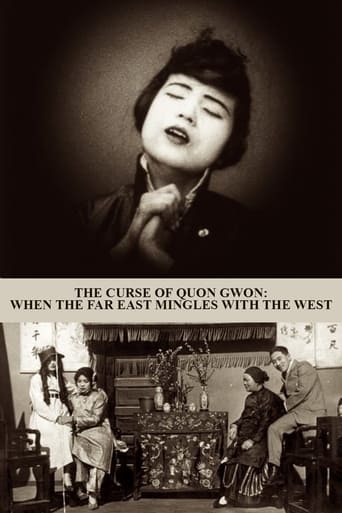
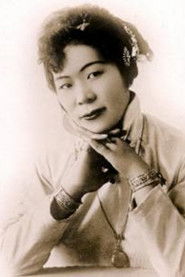
Chinese-American filmmaker who broke significant barriers in early Hollywood cinema. Born in San Francisco's Chinatown around 1895, she founded the Mandarin Film Company in 1916, becoming one of the first Chinese-American women to establish her own production company. Her most notable work, 'The Curse of Quon Gwon: When the Far East Mingles with the West' (1916), was as it featured an all-Chinese cast and was directed, written, and produced by Wong herself. The film was one of the earliest attempts to present Chinese-American stories from an authentic perspective, challenging the stereotypical portrayals common in mainstream Hollywood of the era. Wong's career was remarkably brief but impactful, with her known filmography consisting primarily of this single feature-length production and possibly a few shorter films. After 1916, historical records about Wong's subsequent activities become scarce, though her contribution to cinema history has been increasingly recognized in recent decades as film historians have worked to recover and preserve lost works by early minority filmmakers.
The Craft
On Screen
While specific details about Marion Wong's acting style are limited due to the scarcity of surviving footage, her approach in 'The Curse of Quon Gwon' appeared to emphasize naturalistic performances that contrasted with the exaggerated melodramatic style common in silent era cinema. As both director and actress, she likely sought to present Chinese-American characters with dignity and authenticity, moving away from the caricatured portrayals prevalent in mainstream Hollywood productions of the time.
Behind the Camera
Marion Wong's directing style in 'The Curse of Quon Gwon' demonstrated a sophisticated understanding of cinematic storytelling for her era. She employed cross-cultural narrative techniques that bridged Chinese and Western storytelling traditions, creating a unique visual language that incorporated both traditional Chinese aesthetics and contemporary American filmmaking practices. Her direction showed particular attention to cultural authenticity, working to present Chinese customs, family dynamics, and social issues with respect and accuracy rather than exploitation.
Milestones
- Founded Mandarin Film Company in 1916
- Directed and wrote 'The Curse of Quon Gwon' (1916)
- One of the first Chinese-American women film directors
- Created first feature-length film by Chinese-American filmmaker
- Pioneered authentic Chinese-American representation in early cinema
Best Known For
Iconic Roles
Must-See Films
Accolades
Won
- National Film Registry selection (2006) for 'The Curse of Quon Gwon'
Special Recognition
- Recognized as Chinese-American woman filmmaker by film historians and cultural institutions
Working Relationships
Worked Often With
Studios
Why They Matter
Impact on Culture
Marion E. Wong's impact on cinema extends far beyond her brief career, representing a crucial chapter in the history of minority representation in American film. Her creation of the Mandarin Film Company and production of 'The Curse of Quon Gwon' challenged the Hollywood establishment's monopoly on storytelling and demonstrated the possibility of authentic cultural representation in cinema. By featuring an all-Chinese cast and addressing themes of cultural conflict, identity, and assimilation from a Chinese-American perspective, Wong provided a counter-narrative to the stereotypical 'Yellow Peril' films dominating the era. Her work predated the more widely recognized efforts of later Asian-American filmmakers by decades, establishing a foundation for future generations to build upon. The rediscovery and preservation of her film have helped film historians and scholars understand the broader scope of early American cinema beyond mainstream white perspectives.
Lasting Legacy
Marion Wong's legacy as a filmmaker has grown significantly in recent decades as film historians have worked to recover and celebrate the contributions of women and minorities in early cinema. Her film 'The Curse of Quon Gwon' was selected for preservation in the National Film Registry in 2006, recognizing its cultural, historical, and aesthetic importance. Wong represents an important alternative narrative of early Hollywood history, demonstrating that diverse voices were present in cinema's formative years, even if they were marginalized or erased from mainstream accounts. Her work has become a touchstone for discussions about representation in cinema and has inspired contemporary Asian-American filmmakers to claim their place in the industry. Film scholars now cite her as an example of how immigrant communities created their own cinematic traditions outside the Hollywood system.
Who They Inspired
Marion Wong influenced subsequent generations of Asian-American filmmakers by demonstrating that authentic cultural stories could be told through cinema, even when facing systemic barriers. Her approach to cross-cultural storytelling and community-based production methods have inspired independent filmmakers working outside mainstream channels. Contemporary Asian-American directors like Wayne Wang and Ang Lee have acknowledged the debt they owe to pioneers like Wong who created space for Asian-American narratives in cinema. Her work has also influenced academic discourse about film history, encouraging scholars to look beyond canonical Hollywood productions to uncover the diverse cinematic practices that existed in early 20th century America.
Off Screen
Marion E. Wong was born into San Francisco's Chinese-American community during a period of significant anti-Chinese sentiment and restrictive immigration policies. She married at a young age, reportedly to a businessman who supported her filmmaking ambitions. Details about her family life remain limited, but it's known that she drew inspiration from her own experiences as a Chinese-American woman navigating between two cultures. Her family connections in Chinatown likely provided the network and resources necessary to establish her production company and cast her films with authentic Chinese-American talent.
Education
Limited formal education records exist, but she was likely educated in San Francisco schools and may have received some training in arts or performance within the Chinese-American community
Family
- Unknown spouse (married circa 1915)
Did You Know?
- Founded the Mandarin Film Company at age 21, making her one of the youngest studio heads of her era
- Her film 'The Curse of Quon Gwon' was thought lost for decades before being rediscovered in the 2000s
- The film was shot in Oakland, California, not Hollywood, reflecting her community-based approach
- Wong not only directed but also wrote, produced, and acted in her feature film
- Her brother served as cinematographer for 'The Curse of Quon Gwon'
- The film's budget was reportedly financed by Wong's husband and family members
- Only fragments of 'The Curse of Quon Gwon' survive today, though they provide valuable insight into early Chinese-American cinema
- Wong's film predates the more widely known work of Chinese-American director James Wong Howe by several years
- Her production company was one of the first Asian-American owned film production companies in the United States
- The film's title reflects Wong's interest in exploring the intersection of Eastern and Western cultures
In Their Own Words
No documented quotes from Marion Wong survive from historical records
Frequently Asked Questions
Who was Marion E. Wong?
Chinese-American filmmaker who founded the Mandarin Film Company in 1916 and directed 'The Curse of Quon Gwon,' one of the earliest films made by a Chinese-American woman on YTB.my.
What films is Marion E. Wong best known for?
Titles linked here include The Curse of Quon Gwon: When the Far East Mingles with the West (1916).
When was Marion E. Wong born and when did she die?
Born January 2, 1895; died Unknown.
What awards did Marion E. Wong win?
While Marion Wong received no awards during her lifetime, her film 'The Curse of Quon Gwon' was selected for preservation in the National Film Registry in 2006, recognizing its historical and cultural significance.
What was Marion E. Wong's directing style?
Wong's directing style emphasized authentic cultural representation, blending Chinese storytelling traditions with American cinematic techniques. She focused on naturalistic performances and cross-cultural narratives that challenged the stereotypical portrayals of Chinese characters in mainstream Hollywood films.
Why is Marion E. Wong significant in film history?
Marion Wong is significant as one of the first Chinese-American women directors and studio owners, creating authentic Asian-American representation in cinema decades before it became more common. Her work represents an important chapter in the history of minority filmmakers in early Hollywood.
What happened to Marion Wong after 1916?
Historical records about Marion Wong's life after 1916 are limited, and it's unclear what became of her or why her filmmaking career was so brief. This scarcity of information reflects the broader challenge of documenting the lives of early minority filmmakers who worked outside the mainstream Hollywood system.