Louise Lester
Actor
- Active
- 1912-1912
Films 1
About Louise Lester
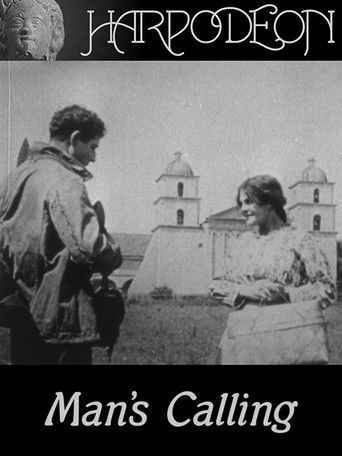
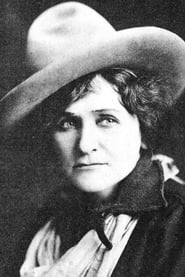
Louise Lester was an American silent-film actress whose screen career belongs to the formative years of the motion-picture industry. She is documented in surviving filmographies as appearing in Man's Calling (1912), placing her among the performers active during the rapid expansion of one-reel cinema in the early 1910s. Like many actors of the period, she worked before the era of standardized studio publicity, so comparatively little personal information about her life has survived in widely accessible sources. Her career is associated with the transitional moment when film acting was moving from stage-influenced presentation toward the more intimate screen style that silent cinema required. Because records from that era are often incomplete, her later life, full filmography, and off-screen biography are not well documented in commonly available references. Even so, her name remains part of early American film history and is preserved through period film credits and archival databases. As with many pioneers of the silent screen, her significance lies in participation in the medium's earliest professionalized years rather than in a heavily publicized celebrity career.
More about Louise Lester
On screen
No detailed contemporary critical description of Louise Lester's acting style survives in readily available sources. Based on the period in which she worked, her performances would likely have depended on clear facial expression, gestural clarity, and physically legible emotions suited to silent storytelling. Actors in 1912 typically used a restrained but still stage-descended style that had to register effectively for stationary cameras and intertitles. Because no extended film examples or reviews are commonly cited for her, any further characterization would be speculative.
In film history
Louise Lester's cultural impact is primarily historical rather than celebrity-driven. She belongs to the foundational generation of screen performers who worked during the first decade of narrative filmmaking in the United States, a period when the grammar of cinema was still being invented. Although she is not among the best-documented stars of the silent era, her credit in an early 1912 film helps preserve the names of working actors who contributed to the development of screen acting, production routines, and the expanding popularity of motion pictures. Performers like Lester formed the labor base of early Hollywood's predecessor industries, appearing in films that helped establish cinema as a mainstream entertainment form. Her presence in surviving databases is valuable to historians because it provides evidence of the many lesser-known artists whose collective work made early American film culture possible.
Later reputation
Louise Lester's legacy lies in her place within the earliest phase of American screen acting. While she did not leave behind a large, heavily promoted body of work in widely cited sources, her documented participation in 1912 filmmaking makes her part of the historical record of silent cinema's first professional generations. For researchers, names like hers are important because they help reconstruct cast lists, production networks, and the broader ecology of early film production. Her legacy is therefore archival and historical: she is remembered as one of the many performers whose careers, however briefly documented, helped shape the silent-screen era. In that sense, she represents the countless working actors whose contributions are visible in film credits even when biographical details have been lost.
Influence
There is no evidence in readily available sources that Louise Lester directly mentored later stars or exerted a traceable personal influence on specific actors or directors. Her influence is best understood indirectly, as part of the collective body of early silent performers who established the expressive norms of screen acting. By participating in 1912-era production, she contributed to the evolving performance vocabulary that later silent and early sound actors inherited. Her lasting influence is therefore embedded in the early professional culture of cinema rather than in a documented star system or teaching lineage.
Off screen
Very little reliable biographical information about Louise Lester's personal life is readily available in standard film-reference sources. Her birth, family background, marital history, and later life have not been widely documented in surviving mainstream references. This scarcity of information is common for many silent-era performers, especially those whose careers were brief or whose work was confined to early short films. At present, no well-supported details about spouses, children, or education can be confidently provided from the available record.
Credits
- Appeared in Man's Calling (1912), an early silent-era screen credit that places her among the working actors of the medium's formative years
- Was active during the crucial period when American film production was shifting from short, locally produced films to a more organized commercial industry
- Represents one of the many early screen performers whose work helped establish acting conventions for silent cinema, even when individual biographies are sparsely recorded
- Her surviving credit demonstrates participation in the one-reel era, when many actors moved rapidly among small production companies and short dramatic subjects
- Her filmography is preserved in historical film records, making her a verifiable figure in early cinema scholarship
Roles
- Role in Man's Calling (1912) - specific character name not readily documented
Films
- Man's Calling (1912)
Notes
- Louise Lester is documented as appearing in Man's Calling (1912), which places her in the very early silent-film period.
- Her career record is sparse, a common situation for many performers from the first years of American filmmaking.
- She worked in an era before consistent studio publicity and long-form biographies were routinely maintained for supporting players.
- Early-film actors like Lester often appeared in short subjects whose credits were later lost or incompletely preserved.
- Her surviving credit makes her a verifiable part of silent-era film history even though personal details are scarce.
- Because her documentation is limited, she is often of particular interest to researchers focused on cast reconstruction and archival filmography work.
Questions
Who was Louise Lester?
Louise Lester was an American silent-film actor active in the early 1910s. She is documented for appearing in Man's Calling (1912), which places her among the early performers working during cinema's formative years.
What films is Louise Lester best known for?
Her best-known surviving credit is Man's Calling (1912). Additional filmography details are not widely preserved in accessible sources, so her broader body of work is difficult to reconstruct with confidence.
When was Louise Lester born and when did she die?
Her birth and death dates are not reliably documented in the readily available references consulted for early film history. Likewise, her birthplace has not been firmly established in widely accessible sources.
What awards did Louise Lester win?
No major awards or nominations are readily documented for Louise Lester. This is not unusual for performers from the silent era, especially those whose careers were brief or whose films were produced before modern award systems existed.
What was Louise Lester's acting style?
Her exact acting style is not described in surviving reviews or biographies that are readily available. As a 1912 silent-era performer, she would have relied on expressive face and body language to communicate character and emotion without spoken dialogue.
What is Louise Lester's legacy in film history?
Her legacy is as part of the early working ensemble of silent cinema, helping to build the medium during its first professional decade. Even when biographical details are limited, her preserved screen credit contributes to the historical record of early American filmmaking.