J. Frank Glendon
Actor
Born: December 25, 1886 in Rochester, New York, USA Died: March 17, 1937 Active: 1915-1936 Birth Name: James Frank Glendon
Films
2 films
About J. Frank Glendon
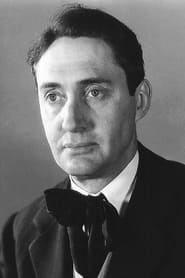
Prolific American character actor: the silent era through the transition to sound films in the early 1930s. Born James Frank Glendon in Rochester, New York, he began his entertainment career on the stage before transitioning to motion pictures around 1915. Glendon quickly established himself as a reliable supporting player, often cast in authoritative or villainous roles due to his imposing presence and distinctive voice. Throughout the 1920s, he appeared in numerous Westerns and adventure films, working with major stars of the era including Tom Mix and Hoot Gibson. His successful transition to talkies in the late 1920s demonstrated his adaptability as a performer, though his roles gradually became smaller as the decade progressed. Glendon's film career came to an end in the mid-1930s, after which he retired from acting. Despite never achieving leading man status, he appeared in over 70 films during his two-decade career, leaving a lasting mark as one of Hollywood's most recognizable character actors of his era.
The Craft
On Screen
Glendon was known for his commanding screen presence and authoritative demeanor, often portraying villains, corrupt businessmen, or stern authority figures. His acting style was rooted in the theatrical traditions of the early 20th century, featuring clear enunciation and exaggerated gestures typical of the silent era, which he successfully adapted for sound films. He possessed a distinctive, resonant voice that served him well in talkies, allowing him to continue playing authoritative roles even as many silent film actors struggled with the transition.
Milestones
- Transitioned successfully from silent films to talkies
- Appeared in over 70 films during his career
- Worked with major Western stars like Tom Mix and Hoot Gibson
- Established himself as a reliable villain and authority figure
- Maintained steady employment through the volatile transition period of late 1920s cinema
Best Known For
Iconic Roles
Must-See Films
Working Relationships
Worked Often With
Studios
Why They Matter
Impact on Culture
J. Frank Glendon represents the archetype of the working character actor who helped build the foundation of Hollywood's Golden Age. As one of the many reliable supporting players who appeared in dozens of films without achieving stardom, Glendon contributed to the richness and depth of American cinema during its formative years. His successful transition from silent films to talkies demonstrated the adaptability required of actors during this revolutionary period in film history. Glendon's consistent portrayals of antagonists and authority figures helped establish character tropes that would become staples of American cinema, particularly in the Western genre.
Lasting Legacy
Though not widely remembered by name today, J. Frank Glendon's legacy lives on through the dozens of classic films in which he appeared, many of which are preserved and studied by film historians. His career serves as an example of the journey of countless character actors who were essential to the studio system but never achieved household recognition. Glendon's filmography provides valuable insight into the types of supporting roles that populated American cinema during the silent and early sound eras, and his work continues to be appreciated by classic film enthusiasts and scholars studying the evolution of American cinema.
Who They Inspired
Glendon's influence was primarily through his work ethic and professionalism rather than through mentoring specific individuals. He set an example for character actors through his reliability and consistency across numerous productions. His ability to successfully navigate the transition from silent to sound films demonstrated the importance of adaptability in the film industry, a lesson that influenced many actors of his generation. Glendon's distinctive approach to villainous roles helped establish patterns that would be followed by subsequent generations of character actors in American cinema.
Off Screen
J. Frank Glendon married actress Pauline Curley in 1920, and their marriage lasted until his death in 1937. The couple had children together and maintained a relatively private life away from the Hollywood spotlight. Glendon was known among his colleagues as a professional and reliable actor who took his craft seriously. After retiring from films in the mid-1930s, he lived in Los Angeles where he passed away at the age of 50 from a heart attack.
Education
Limited formal education; primarily trained through stage experience and practical acting experience in stock theater companies
Family
- Pauline Curley (1920-1937)
Did You Know?
- Born on Christmas Day in 1886
- Appeared in his first film at age 29
- Was married to fellow actor Pauline Curley for 17 years until his death
- Often typecast as a villain due to his stern appearance
- Successfully transitioned from silent films to talkies when many actors couldn't
- Worked with nearly every major studio during his career
- Appeared in both Westerns and contemporary dramas
- Never received a screen credit higher than fourth billing
- Retired from acting just three years before his death
- His final film was released posthumously in 1936
- Often played characters much older than his actual age
In Their Own Words
No documented famous quotes from J. Frank Glendon
Frequently Asked Questions
Who was J. Frank Glendon?
American character with credits in this catalog. He was known for playing villains and authority figures, particularly in Westerns and adventure films.
What films is J. Frank Glendon best known for?
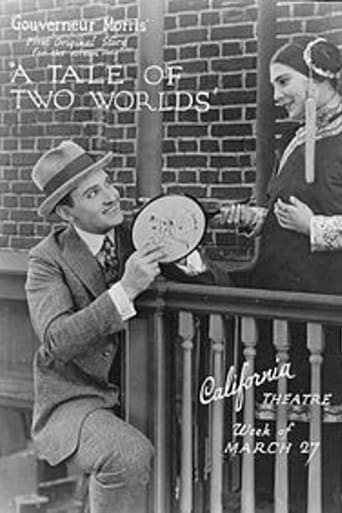
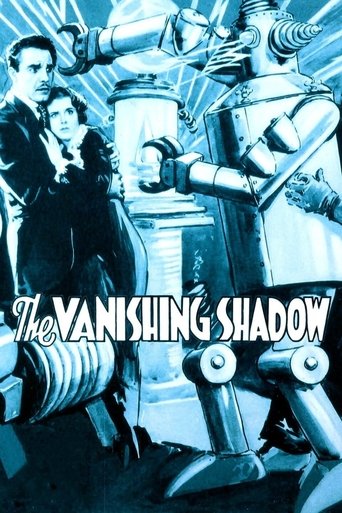
Titles linked here include A Tale of Two Worlds (1921), The Vanishing Shadow (1934).
When was J. Frank Glendon born and when did he die?
Born December 25, 1886; died March 17, 1937.
What awards did J. Frank Glendon win?
J. Frank Glendon did not receive any major awards or nominations during his career, which was typical for character actors of his era who worked primarily in supporting roles.
What was J. Frank Glendon's acting style?
Glendon was known for his commanding presence and authoritative demeanor, often portraying villains and stern authority figures. His style was rooted in theatrical traditions, featuring clear enunciation and distinctive voice work that served him well in both silent and sound films.
Was J. Frank Glendon married?
Yes, J. Frank Glendon was married to actress Pauline Curley from 1920 until his death in 1937. They had two children together.
How did J. Frank Glendon's career end?
Glendon's film career gradually wound down in the mid-1930s, with his last film released posthumously in 1936. He retired from acting a few years before his death from a heart attack in 1937.
Did J. Frank Glendon successfully transition to talkies?
Yes, Glendon was one of the many actors who successfully made the transition from silent films to talkies in the late 1920s, thanks in part to his distinctive voice and clear speaking style.