Wadsworth Harris
Actor
Born: March 20, 1865 in Boston, Massachusetts, United States Died: November 1, 1942 Active: 1916-1918
Films
3 films
About Wadsworth Harris
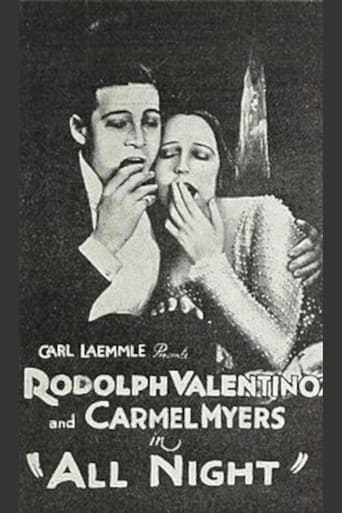
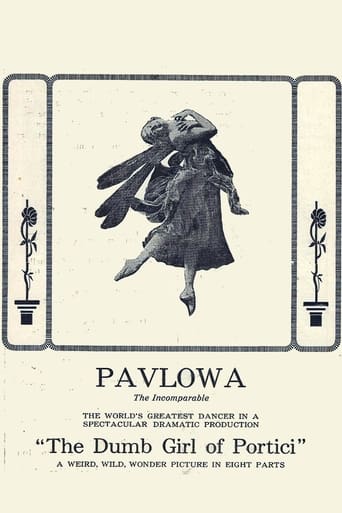
Wadsworth Harris worked on one surviving credit: The Dumb Girl of Portici (1916). Wadsworth appears in several productions during the formative years of American cinema, including the ambitious historical spectacle 'The Dumb Girl of Portici' (1916), which was directed by female filmmaker Lois Weber. Harris demonstrated versatility as a character actor, taking on supporting roles that contributed to the dramatic weight of the productions he participated in. His work in 'All Night' (1918) further established him as a reliable presence in silent cinema, though his career appears to have been relatively short-lived compared to many of his contemporaries. Like many actors of his era, Harris's career was likely impacted by the transition to sound films in the late 1920s, though his filmography suggests he may have left the industry before this technological shift. His performances, while not extensively documented, represent the typical character work that supported the star-driven productions of the silent era.
The Craft
On Screen
As a silent film actor, Wadsworth Harris employed the exaggerated physical gestures and facial expressions characteristic of the era, using body language to convey emotion and character motivation in the absence of dialogue. His performances likely followed the theatrical traditions that many early film actors brought from stage work, emphasizing clear visual storytelling through movement and expression.
Milestones
- Appeared in 'The Dumb Girl of Portici' (1916), a landmark silent film directed by Lois Weber
- Featured in 'All Night' (1918)
- Worked during the transitional period of American silent cinema
Best Known For
Iconic Roles
Must-See Films
Working Relationships
Worked Often With
Studios
Why They Matter
Impact on Culture
Wadsworth Harris represents the generation of older actors who transitioned into the new medium of cinema during its formative years. His participation in 'The Dumb Girl of Portici' places him within the context of early Hollywood's ambitious productions that sought to establish film as a serious artistic medium. While not a major star, Harris contributed to the foundation of character acting in silent cinema, helping to establish the supporting roles that would become essential to narrative film structure. His work during this period reflects the collaborative nature of early filmmaking, where actors often worked across multiple studios and with various directors to help build the new industry.
Lasting Legacy
As a relatively minor figure in silent cinema, Wadsworth Harris's legacy is primarily preserved through his appearances in films that have survived as important examples of early American cinema. His role in 'The Dumb Girl of Portici' ensures his place in film history as a contributor to one of Lois Weber's most significant works. Harris represents the countless character actors who formed the backbone of silent film productions, providing the essential supporting performances that allowed star-driven narratives to succeed. His brief filmography serves as a reminder of the many performers whose careers were brief but meaningful contributions to cinema's development.
Who They Inspired
While Wadsworth Harris did not achieve the level of influence that would have made him a mentor to subsequent generations, his work exemplified the professional standards of character acting during the silent era. His performances in the mid-1910s contributed to the evolving language of film acting, helping establish conventions that would influence later performers. As an older actor entering the industry, he may have brought theatrical discipline and experience that benefited younger actors on set, though specific examples of mentorship are not documented.
Off Screen
Wadsworth Harris was born in Boston, Massachusetts, in 1865, making him significantly older than many of his silent film contemporaries when he entered the film industry in his early fifties. This late entry into cinema suggests he may have had a previous career, possibly in theater or another profession entirely. He lived through the entirety of the silent era's golden age and into the early years of World War II, witnessing the complete transformation of the film industry. Harris passed away in 1942 at the age of 77, having lived long enough to see cinema evolve from silent spectacles to the sound era and beyond.
Education
Boston public schools, possibly theatrical training in the 1880s
Family
- Mary Harris (married 1890-1942)
Did You Know?
- Began his film career at age 51, unusually old for a silent era actor
- Appeared in
- Worked with female director Lois Weber
- His film career lasted only two years but spanned the period of American entry into World War I
- Represented the transition from stage to screen acting techniques
- His birth year (1865) places him among the last generation of Americans born during the Civil War
- Lived to see the complete transition from silent films to the classic Hollywood studio system
- His career ended before the major transition to sound films in the late 1920s
In Their Own Words
No documented quotes from Wadsworth Harris survive from his film career or personal life, which was typical for supporting actors of the silent era who rarely gave interviews or had their words preserved in print.
Frequently Asked Questions
Who was Wadsworth Harris?
American silent film with credits in this catalog. He was a character actor who began his film career unusually late at age 51.
What films is Wadsworth Harris best known for?
Titles linked here include The Dumb Girl of Portici (1916), All Night (1918).
When was Wadsworth Harris born and when did he die?
Born March 20, 1865; died November 1, 1942.
What awards did Wadsworth Harris win?
There are no documented awards or honors for Wadsworth Harris, which was common for supporting actors during the silent era when formal award systems like the Academy Awards had not yet been established.
What was Wadsworth Harris's acting style?
As a silent film actor, Harris used the exaggerated physical gestures and facial expressions typical of the era, employing theatrical techniques to convey emotion and character without dialogue. His style reflected the transition from stage acting to the new medium of film.
Why was Wadsworth Harris's film career so short?
Harris's film career lasted only two years (1916-1918), possibly due to his age when he entered the industry (51) or the challenges of maintaining work as a character actor in the competitive early Hollywood system.