Georgi Vasilyev
Director
Born: November 25, 1899 in Vologda, Russian Empire Died: June 18, 1946 Active: 1928-1946 Birth Name: Georgi Vasilyevich Vasilyev
Films
1 film
About Georgi Vasilyev
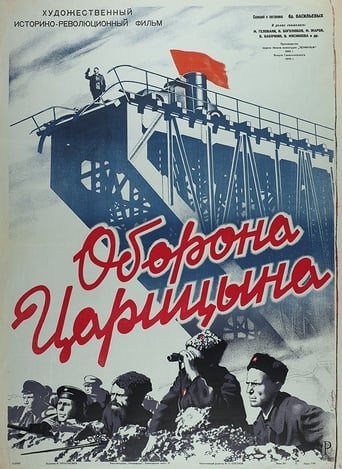
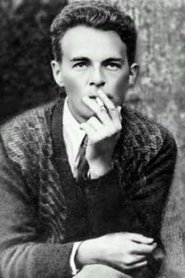
Georgi Vasilyevich Vasilyev — prominent Soviet film director who, together with his brother Sergei Vasilyev, formed directing duos in Soviet cinema history. Born in Vologda in 1899, Vasilyev began his career in theater before transitioning to film in the 1920s. The Vasilyev brothers gained international recognition with their masterpiece 'Chapaev' (1934), which became a cornerstone of Soviet socialist realist cinema and popular films in USSR history. Throughout their collaboration, they specialized in historical epics and revolutionary narratives, creating films that celebrated Soviet heroes and the Communist revolution. Their work during World War II included patriotic films like 'Defense of Tsaritsyn' (1942), which depicted crucial battles of the Russian Civil War. Vasilyev's career was cut short by his untimely death in 1946, but his contributions to Soviet cinema on the country's film industry and cultural memory.
The Craft
Behind the Camera
The Vasilyev brothers were masters of socialist realist filmmaking, combining epic historical narratives with strong ideological messaging. Their directing style emphasized heroic portrayals of Soviet leaders and revolutionary figures, using dynamic cinematography and powerful emotional storytelling to create compelling propaganda films. They specialized in large-scale battle sequences and crowd scenes, demonstrating exceptional skill in orchestrating complex action sequences. Their films often featured clear moral dichotomies between revolutionary heroes and their enemies, with protagonists portrayed as larger-than-life figures embodying Soviet ideals. The brothers' visual approach combined documentary-like realism with dramatic flourishes, creating films that were both entertaining and ideologically potent.
Milestones
- Co-directed 'Chapaev' (1934),
- Created the Vasilyev Brothers directing partnership with Sergei Vasilyev
- Directed 'Defense of Tsaritsyn' (1942) during World War II
- Received multiple Stalin Prizes for contributions to Soviet cinema
- Pioneered the socialist realist style in Soviet historical films
Best Known For
Must-See Films
Accolades
Won
- Stalin Prize (1941) for 'Chapaev'
- Stalin Prize (1942) for 'Defense of Tsaritsyn'
- Order of the Red Banner of Labour
- Order of the Badge of Honour
Nominated
- Venice Film Festival Mussolini Cup nomination for 'Chapaev' (1934)
- Venice Film Festival Mussolini Cup nomination for 'The Volga Breaks Through' (1937)
Special Recognition
- People's Artist of the RSFSR (1943)
- Honored Artist of the RSFSR (1935)
Working Relationships
Worked Often With
Studios
Why They Matter
Impact on Culture
The Vasilyev brothers fundamentally shaped Soviet cinema's approach to historical storytelling and socialist realist aesthetics. Their film 'Chapaev' became a cultural phenomenon in the USSR, with the character becoming an archetypal Soviet hero and the film being studied in film schools worldwide. Their work established templates for portraying revolutionary heroes that would be emulated by Soviet filmmakers for decades. During World War II, their patriotic films like 'Defense of Tsaritsyn' played crucial roles in maintaining Soviet morale and reinforcing national unity. Their influence extended beyond cinema into literature, theater, and even military education, with their films being used as teaching tools in Soviet military academies.
Lasting Legacy
Georgi Vasilyev's legacy endures through the lasting impact of the films he created with his brother, particularly 'Chapaev,' which remains. The Vasilyev brothers' approach to combining entertainment with ideological messaging became a model for state-sponsored cinema globally. Their techniques for creating epic historical narratives influenced filmmakers across the Eastern Bloc and beyond. Film scholars continue to analyze their work for its artistic merits and its role in shaping Soviet cultural identity. The term 'Chapaev' entered the Russian language as a synonym for a daring, heroic figure, demonstrating the profound cultural impact of their most famous creation.
Who They Inspired
The Vasilyev brothers influenced countless Soviet and international directors through their innovative approach to historical epics and propaganda filmmaking. Their success in creating commercially viable ideologically-driven films provided a blueprint for state-sponsored cinema worldwide. Directors like Andrei Tarkovsky cited their work as formative in understanding the relationship between art and ideology. Their techniques for orchestrating large-scale battle scenes influenced war filmmakers globally, including Hollywood directors. Their emphasis on creating mythic national heroes inspired similar approaches in other countries' national cinemas, particularly in China and other socialist nations.
Off Screen
Georgi Vasilyev was deeply devoted to his collaborative partnership with his brother Sergei, both professionally and personally. The brothers lived and worked together throughout their careers, sharing a creative vision that defined their contribution to Soviet cinema. Vasilyev was married and had children, though details about his family life remain relatively private compared to his public career. He was known as a dedicated communist and party member, fully committed to the ideological principles that guided his work. His sudden death in 1946 at the age of 46 was a significant loss to Soviet cinema, leaving his brother Sergei to continue their work alone.
Education
Studied at the Leningrad Institute of Screen Arts (now St. Petersburg State Institute of Film and Television)
Family
- Name not publicly documented
Did You Know?
- The Vasilyev brothers were so closely associated that they were often credited as 'Vasilyev Brothers' rather than individually
- 'Chapaev' was reportedly Stalin's favorite film and he watched it multiple times
- The character of Chapaev became so popular that jokes and stories about him became part of Russian folklore
- Their film 'Defense of Tsaritsyn' was made during the actual Battle of Stalingrad (formerly Tsaritsyn)
- The brothers often wrote their own screenplays, maintaining complete creative control
- Despite their success, they faced criticism during the 1946 Zhdanov Doctrine cultural crackdown
- Their films were among the few Soviet films distributed internationally during the 1930s
- The brothers never directed separately after forming their partnership
- Georgi died just months after receiving the Stalin Prize for 'Defense of Tsaritsyn'
- Their techniques for crowd scenes and battle sequences were studied by military filmmakers
In Their Own Words
The hero of our time must be a man of the people, a man who embodies the revolutionary spirit of the masses
Cinema is not just entertainment, it is a weapon in the struggle for the new socialist consciousness
Every frame must serve the revolution, every character must inspire the people
We don't make films about history, we make films that become history
Frequently Asked Questions
Who was Georgi Vasilyev?
Prominent Soviet on YTB.my. They were best known for their masterpiece 'Chapaev' (1934) and their contributions to socialist realist filmmaking.
What films is Georgi Vasilyev best known for?
Titles linked here include Chapaev (1934), Defense of Tsaritsyn (1942).
When was Georgi Vasilyev born and when did he die?
Born November 25, 1899; died June 18, 1946.
What awards did Georgi Vasilyev win?
Georgi Vasilyev received multiple Stalin Prizes for his films, including for 'Chapaev' (1941) and 'Defense of Tsaritsyn' (1942). He was also named People's Artist of the RSFSR in 1943 and received the Order of the Red Banner of Labour and Order of the Badge of Honour.
What was Georgi Vasilyev's directing style?
The Vasilyev brothers' directing style combined socialist realist principles with epic historical storytelling. They specialized in large-scale battle sequences, heroic portrayals of revolutionary figures, and films that served both artistic and ideological purposes. Their work emphasized clear moral narratives and emotional engagement with Soviet historical themes.