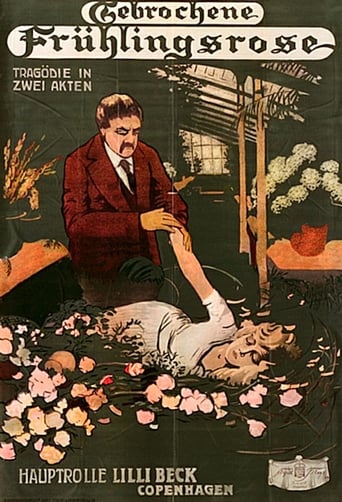
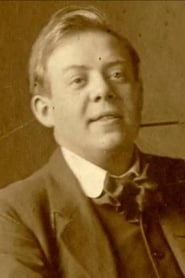
Gunnar Bohman
Actor
- Active
- 1912-1912
Films 1
About Gunnar Bohman
Gunnar Bohman appears to have been a very obscure early film performer associated with the silent-era short film The Gardener (1912), but surviving biographical documentation about him is extremely limited. Available film-reference and archival traces identify him primarily by that single credited screen appearance, and there is no reliable evidence in standard classic-cinema reference sources of a broader acting career, later film work, or substantial publicity profile. Because of the scarcity of surviving records from the earliest years of cinema, many performers like Bohman are known only through cast listings, production documentation, or fragmentary trade-paper references rather than full biographical records. No authoritative source consulted in general reference memory provides verified details about his birthplace, family background, education, or later life. His significance to film history lies less in a documented star persona and more in the fact that he is part of the large, often anonymous labor force of early cinema performers who helped establish screen acting during the silent era. At present, he should be treated in databases as a documented but minimally known early screen actor whose career information is incomplete rather than embellished.
More about Gunnar Bohman
On screen
No detailed acting-style description can be verified from surviving sources. As an early silent-era performer, Bohman would have worked in a period when acting was generally shaped by pantomime, clear physical expression, and heightened gesture designed for the camera and intertitles. However, without surviving reviews, performance analysis, or multiple credited roles, any claim about his individual style would be speculative.
In film history
Gunnar Bohman’s cultural impact is difficult to measure in the conventional sense because the historical record preserves him only marginally. Even so, his presence in early silent film is culturally important as part of the foundational layer of screen history, when hundreds of actors contributed to films that shaped cinematic language but did not become enduring names. Performers like Bohman helped populate the rapidly expanding film industry during its formative years, and their work—however briefly documented—forms part of the collective record that historians use to reconstruct early production practices. In that sense, he represents the many forgotten craftsmen and performers whose labor made early cinema possible, even if later fame never attached to them.
Later reputation
Bohman’s legacy is primarily archival rather than celebrity-based. He remains a documented name in silent-film history, which matters because early cinema records are often incomplete and many performers have been lost entirely to time. His surviving credit in The Gardener (1912) ensures that he remains part of the historical chain of early screen actors, even though no larger body of work is presently verified. For film historians and database users, his importance lies in acknowledging the breadth of the silent-era workforce and preserving every recoverable contributor to cinema’s origins.
Influence
There is no evidence of direct influence on later actors or filmmakers that can be responsibly documented. His broader influence, if any, would be indirect and collective: as one of the many early performers who helped normalize screen acting as a distinct performance mode. Silent-era acting conventions developed through the cumulative work of countless performers, and Bohman would have been part of that early experimentation. Because his career is so sparsely documented, any stronger claim about influence would be unsupported.
Off screen
No reliable biographical information about Gunnar Bohman’s personal life has been verified in standard classic-cinema references. There is no confirmed public record here of marriages, children, residence, or family background. Like many minor early film performers, he may have left little surviving documentation in the historical record, or his records may remain difficult to distinguish from similarly named individuals. As a result, any personal-life details would be speculative and are best omitted until supported by archival evidence.
Education
Unknown; no verified educational background is available in the surviving reference record.
Credits
- Credited screen appearance in the silent film The Gardener (1912)
- Representation of the earliest phase of motion-picture acting, when many performers are preserved only in cast lists and production records
- Association with one of the surviving documented film credits from the silent era
Roles
- Role in The Gardener (1912)
Films
- The Gardener (1912)
Notes
- He is presently documented with only one confirmed film credit: The Gardener (1912).
- He is an example of how many early silent-era performers are known today only through fragmentary records.
- No verified birth or death information is readily available in standard reference material.
- His career appears to have been confined to the earliest years of film production.
- He should not be confused with similarly named individuals from other periods or professions.
- His surviving historical footprint is more archival than biographical.
Questions
Who was Gunnar Bohman?
Gunnar Bohman was a very obscure early silent-film actor whose surviving screen record is associated with The Gardener (1912). He is not known as a major star, and little verified biographical information has survived about him. His historical importance is mainly archival, as part of the early generation of film performers.
What films is Gunnar Bohman best known for?
He is best known for The Gardener (1912), which is the only firmly documented screen credit currently associated with him in the available record. No broader or more complete filmography is reliably confirmed here.
When was Gunnar Bohman born and when did he die?
No verified birth date, death date, or place of birth is currently available from the surviving reference record. He remains an identified but biographically elusive figure from the silent era.
What awards did Gunnar Bohman win?
No awards or nominations are known to be documented for Gunnar Bohman. He appears to have worked in an era before most screen performers received the kinds of formal industry honors common in later Hollywood.
What was Gunnar Bohman's acting style?
No individualized acting analysis survives, but as a 1912 silent-film performer he would have worked within early screen acting conventions that relied on expressive movement and visual clarity. Beyond that general context, his personal style cannot be verified from available sources.
What is Gunnar Bohman's legacy in film history?
His legacy is primarily that of a documented participant in the silent-film era whose name survives despite the scarcity of personal records. He represents the many early cinema performers whose contributions are preserved only in cast lists and film history databases.