The Gardener
Plot
In this early Scandinavian melodrama, a gardener’s son falls in love with the daughter of a woman working at the nursery, and the two marry despite the social tensions surrounding their relationship. Rather than welcoming the union, the groom’s father reacts with cruelty and rejection, driving his own son from the property and turning his anger against the young bride. The conflict escalates into a harsh family drama centered on class resentment, parental authoritarianism, and the humiliation of the couple. As the gardener becomes increasingly despicable toward his daughter-in-law, the film develops into a stark moral tale about the abuse of power within the family and the emotional cost of intolerance.
About the Production
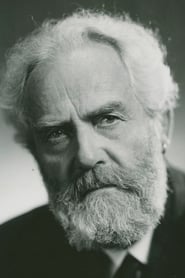
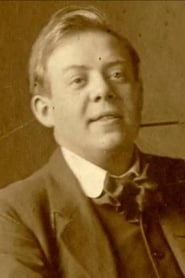
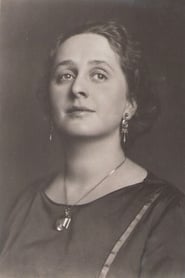
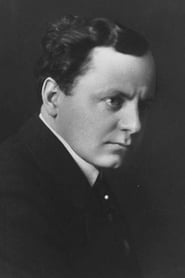
The film was made during the formative years of Swedish cinema, when Svenska Biografteatern was producing short dramatic films that helped establish the country’s early screen style. As with many productions from 1912, detailed production records are sparse, and surviving documentation does not reliably preserve a full shooting account, budget, or contemporary marketing campaign. Victor Sjöström was already emerging as one of the key creative figures of Scandinavian silent cinema, and this film belongs to the period in which he was refining his approach to psychologically driven drama. The cast list associated with the film includes Sjöström himself, Karin Alexandersson, and Gösta Ekman, but early film credits are often incomplete and may vary across reference sources.
Historical Background
The Gardener was made in 1912, a period when silent cinema was rapidly evolving from brief novelty subjects into a more sophisticated narrative art form. In Sweden, Svenska Biografteatern was becoming one of the central production forces behind a national cinema that would soon gain international respect for its seriousness, literary adaptation, and visual elegance. The film appears in a historical moment marked by social modernization, changing class relationships, and increasing interest in domestic realism and moral conflict on screen. Its story of family cruelty and social humiliation fits the era’s fascination with melodrama while also pointing toward the psychologically nuanced style that would make Swedish silent cinema distinctive in the years immediately after.
Why This Film Matters
Although not as widely known as Sjöström’s later masterpieces, The Gardener is culturally significant as a surviving example of his formative work and of Sweden’s early dramatic film tradition. It helps document the transition from simple photographed scenes to more expressive narrative cinema rooted in character conflict and moral tension. For film historians, the movie is valuable because it shows Sjöström working within the studio system that would eventually produce internationally admired films and establish Sweden as an important silent-era national cinema. It also illustrates how early films could explore themes of family oppression, class difference, and emotional cruelty in ways that resonated with contemporary audiences even in a short running time.
Making Of
The Gardener was produced in the earliest phase of Victor Sjöström’s career, when he was developing the restrained, emotionally intense storytelling that would later define his reputation. The production likely followed the working methods typical of Svenska Biografteatern in 1912: compact shooting schedules, modest sets, reliance on natural or simple staged environments, and an emphasis on clear visual storytelling rather than elaborate spectacle. The surviving historical record does not preserve extensive anecdotal reports about the shoot, but the film is important as part of the creative environment in which Sjöström and his contemporaries helped shape Sweden’s emerging screen aesthetic. Its cast associations, including Karin Alexandersson and Gösta Ekman, also reflect the interconnection between stage and screen talent in early Scandinavian cinema.
Visual Style
The film would have relied on the visual conventions of early 1910s Scandinavian cinema, with static or minimally mobile camera setups, carefully arranged tableaux, and expressive blocking to convey relationships and emotional shifts. Close-ups were still used selectively in this period, so much of the drama would have been communicated through body language, gesture, and staging within the frame. The visual style associated with early Sjöström productions often emphasizes clarity, restraint, and a sober realism that contrasts with the more theatrical excess of some other silent melodramas. Even in a short format, the cinematography likely served the narrative by highlighting domestic spaces, social boundaries, and the physical separation of characters.
Innovations
The film does not appear to be associated with a major technical innovation, but it is notable for its contribution to the maturation of narrative film language in Sweden. Its achievement lies in the disciplined use of visual storytelling to express family conflict and emotional cruelty within a compact silent format. Early Sjöström films are historically important for helping establish a more psychologically attentive style of direction, even when the technical apparatus remained relatively simple by later standards. In that sense, the film’s value is less in a single invention than in its participation in the broader refinement of cinematic drama.
Music
As a silent film, The Gardener had no synchronized recorded soundtrack at the time of its original release. It would have been accompanied in theaters by live music, typically improvised by a pianist or a small ensemble depending on the venue and the exhibition context. No original cue sheet or composer information is reliably documented in the available historical record. Modern presentations, if any, may use reconstructed or newly commissioned accompaniment, but a definitive original score is not known to survive.
Memorable Scenes
- The gardener’s harsh expulsion of his own son from the property, which establishes the film’s central moral conflict.
- The father’s mistreatment of the newly married daughter-in-law, turning the home and workplace into a site of emotional cruelty.
Did You Know?
- This is an early Victor Sjöström film from the pre-feature era, when many narrative films were still released as brief one-reel dramas.
- The film belongs to the pioneering period of Swedish cinema that later became internationally influential for its serious tone and naturalistic performances.
- Detailed archival information about the film is limited, which is common for surviving records of Scandinavian films from the 1910s.
- The title is simple and generic in English translation, which can make it easy to confuse with later films of the same name if the year and director are not checked carefully.
- Because it is an early silent film, any original intertitles would have carried much of the film’s storytelling burden through concise dramatic text.
- Victor Sjöström was not only a director but also a major acting presence in early Swedish film culture, making his involvement especially notable.
- The film’s domestic conflict and class tension anticipate themes that would recur in Sjöström’s later, more internationally famous work.
- Surviving distribution information suggests that the film circulated as part of Sweden’s early studio output rather than as a prestige release with extensive publicity.
- The film’s existence is an example of how many important early works survive primarily through catalog records rather than through complete contemporary press coverage.
- As with many silent-era shorts, precise running time can vary depending on projection speed and the condition of any surviving print.
What Critics Said
Contemporary critical reception is not well documented in surviving sources, which is common for a 1912 short film of this kind. In modern scholarship, the film is generally regarded more as an archival and historical artifact than as a widely screened repertory title, but it is appreciated for its place in Victor Sjöström’s development as a filmmaker. Critics and historians interested in early Swedish cinema view such films as important evidence of the style, tone, and narrative priorities that would later distinguish the national cinema. Its reputation today is therefore tied less to popular fame than to its value within film history and the study of Sjöström’s early career.
What Audiences Thought
No detailed audience surveys or box-office reports survive for the film, so reception must be inferred from its production context and the broader success of Swedish melodramas at the time. Silent-era audiences were generally responsive to domestic conflict stories, especially those involving family authority, romance, and moral reckoning. As a short drama, it was likely intended for general exhibition rather than as a prestige event, and its appeal would have depended on the emotional clarity of its performances and visual storytelling. Today, its audience is primarily scholars, archivists, and silent-film enthusiasts rather than mainstream viewers.
Film Connections
Influenced By
- Stage melodrama traditions
- Early Scandinavian social dramas
- Naturalistic domestic fiction of the late 19th and early 20th centuries
This Film Influenced
- Later Victor Sjöström dramas
- Swedish silent cinema family melodramas
- Psychological social dramas in Scandinavian film
You Might Also Like
More Drama Films
View allMore from Victor Sjöström
View allFilm Restoration
The film appears to survive in archival record form and may exist in preserved elements or institutional holdings, but detailed preservation and restoration status is not clearly documented in the available source material. It should be treated as a rare early silent film with incomplete public-access information rather than as a widely circulating restored title.