Jean Claesson
Actor
- Active
- 1912-1917
Films 2
About Jean Claesson
Jean Claesson was a Swedish silent-era actor whose screen career, as far as surviving film records indicate, was brief and concentrated in the 1910s. He is documented in at least two films from the period, including The Gardener (1912) and Lieutenant Galenpanna (1917), placing him among the many performers who worked during the formative years of Scandinavian cinema. Because the silent era often left incomplete personnel records, comparatively little biographical information about Claesson has survived in widely accessible film histories or archival summaries. What can be said with confidence is that he was active during a crucial transitional period in Swedish film production, when the country was building an international reputation for expressive, artistically ambitious cinema. His filmography suggests he was part of the generation of actors who helped establish screen acting conventions before the arrival of synchronized sound. Beyond these credits, documented details such as his birth and death dates, theatrical background, and later life are not readily available in standard reference sources. As a result, Claesson remains an obscure but legitimate figure in early film history, preserved primarily through scattered credits in silent-era film catalogues and databases.
More about Jean Claesson
On screen
No detailed contemporary reviews or acting analyses of Jean Claesson have been located in standard surviving reference sources, so his precise style cannot be described with certainty. Given the period in which he worked, his performances would almost certainly have relied on silent-era techniques such as expressive gesture, clear physical movement, and facial articulation to communicate character and emotion without dialogue. His screen work likely reflected the restrained yet visually legible acting norms that were developing in Sweden during the 1910s. Any assessment beyond that would be speculative because surviving criticism and performance documentation are scarce.
In film history
Jean Claesson's cultural impact is difficult to measure in the absence of extensive surviving documentation, but his value to film history lies in his participation in the early Swedish silent film industry. Actors like Claesson helped populate productions at a time when Sweden was building a distinctive national cinema that would soon gain international recognition. Even when individual performers did not become major stars, their work contributed to the professionalization of screen acting and to the visual storytelling language of the silent era. His surviving credits indicate that he was part of the generation that laid the groundwork for later internationally acclaimed Swedish filmmakers and performers.
Later reputation
Claesson's legacy is primarily archival: he is remembered through film credits rather than through a large body of documented commentary, interviews, or surviving performance analysis. He stands as one of many early Scandinavian actors whose careers are only partially visible because records from the silent era are incomplete or have been lost. For historians and database users, his name is significant as evidence of the breadth of Sweden's early film workforce and the many contributors who helped shape the medium before sound. His preserved credits ensure that he remains part of the historical record of early cinema, even if much of his life story has not survived.
Influence
There is no documented evidence that Jean Claesson directly mentored later performers or that he exercised a widely recognized influence on major directors or actors. His broader influence is indirect: by participating in early Swedish productions, he contributed to the acting traditions and production practices that later filmmakers inherited. In that sense, his work belongs to the collective foundation of silent cinema rather than to an individually traceable line of mentorship or stylistic influence. He is best understood as part of the anonymous-to-semi-known professional class whose labor made early film culture possible.
Off screen
Very little verified information survives about Jean Claesson's personal life. Standard accessible film references do not provide confirmed details about his family background, marriages, children, or later career outside the screen. His obscurity in biographical records suggests that he was likely a working actor of the silent era rather than a major celebrity whose private life was widely reported in the press. Until archival research uncovers more about him, his personal history remains largely undocumented.
Education
No verified information about his education is readily available in accessible reference sources.
Credits
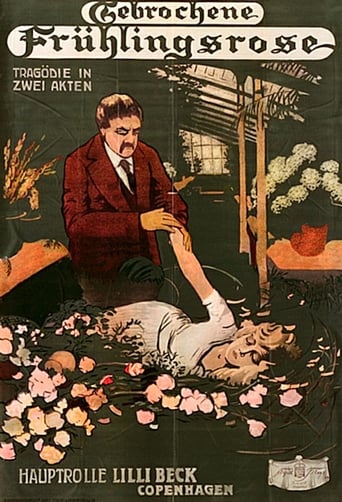
- Appeared in The Gardener (1912), one of his earliest documented screen credits.
- Was active in Swedish silent cinema during the 1910s, a foundational decade for the country's film industry.
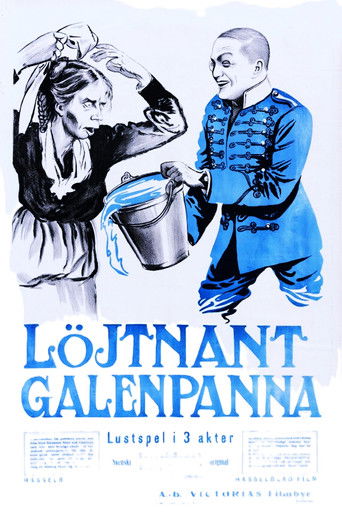
- Received a later film credit in Lieutenant Galenpanna (1917), confirming continued work across the middle of the silent era.
- Represents the kind of early Scandinavian screen performer whose work contributed to the development of silent acting styles.
- Is preserved in film records despite limited surviving biographical documentation, which is typical of many early cinema actors.
Films
- The Gardener (1912)
- Lieutenant Galenpanna (1917)
Notes
- Jean Claesson is documented as a silent-era Swedish actor, but he remains difficult to research because many early film records are incomplete.
- His known screen career spans at least five years, from 1912 to 1917.
- He is credited in both an early 1912 film, The Gardener, and a later 1917 title, Lieutenant Galenpanna.
- His obscurity is typical of many performers from the silent era, especially those whose careers were brief or whose films are partly lost.
- Because silent film databases can vary in coverage, his surviving credits are especially important for confirming his identity.
- He appears to have worked during a formative period in Swedish cinema, before the country's major international breakthrough in the late 1910s and 1920s.
- No widely cited awards, interviews, or autobiographical material are currently associated with him in standard reference sources.
Questions
Who was Jean Claesson?
Jean Claesson was a Swedish silent-film actor active in the 1910s. He is known from surviving film credits rather than from extensive biographical documentation, which is common for many early cinema performers.
What films is Jean Claesson best known for?
He is documented in The Gardener (1912) and Lieutenant Galenpanna (1917). These are the key surviving credits associated with his name in accessible film records.
When was Jean Claesson born and when did he die?
His birth and death dates are not readily verified in standard accessible reference sources, so they remain unknown. The same is true for his exact birthplace and date of death, if applicable.
What awards did Jean Claesson win?
No awards or formal honors are currently documented for Jean Claesson in the surviving reference material commonly available for silent-era actors. His historical importance comes from his early film work rather than from recorded awards recognition.
What was Jean Claesson's acting style?
No detailed reviews of his performances survive in widely accessible sources, so his style cannot be described with precision. As a silent-era actor, he would have relied on facial expression, gesture, and physical presence to convey character and emotion.
What is Jean Claesson's legacy in film history?
His legacy is primarily archival and historical: he is part of the record of early Swedish cinema. Even though much of his life is undocumented, his credits help historians trace the development of silent film performance in Scandinavia.