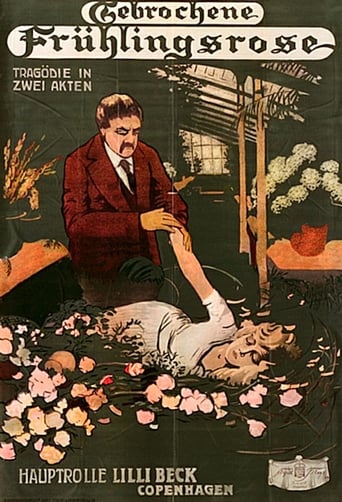
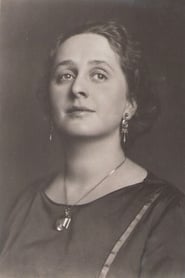
Lili Beck
Actor
- Active
- 1912-1912
Films 3
About Lili Beck
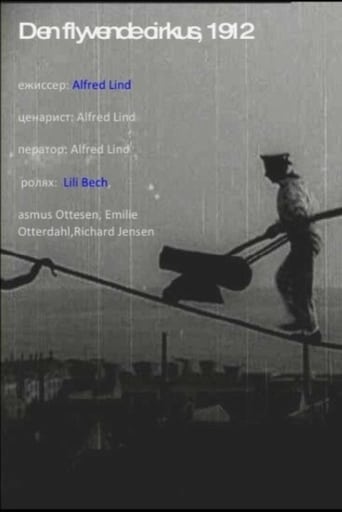
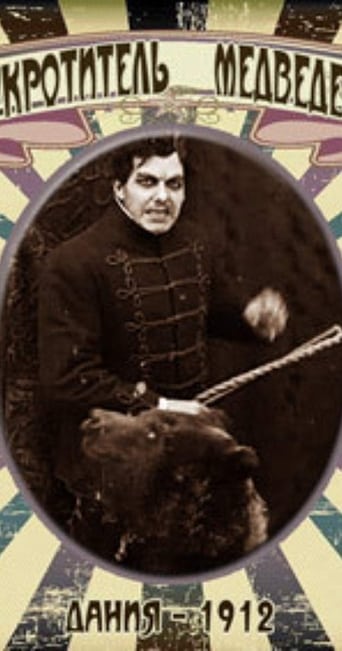
Lili Beck is a very early silent-era screen performer whose surviving film record is limited and whose biographical details have not been firmly preserved in standard reference sources. She is credited as appearing in a small cluster of 1912 short films, including The Gardener, The Pride of the Circus, and The Bear Tamer, which places her among the many working actors who helped define the rapidly expanding international silent film industry in the years before feature-length cinema became dominant. Because extant documentation is sparse, it is not currently possible to reconstruct a full personal biography, nor to identify with certainty whether she worked under a stage name, appeared in other uncredited films, or left acting soon after 1912. Her presence in these titles suggests she was active during a formative period when film companies relied on repertory players to populate melodramas, comedies, and circus or animal-themed pictures. Like many performers of the period, her career is known primarily through film credits rather than interviews, studio publicity, or later retrospectives. The lack of surviving personal information is itself characteristic of many silent-era actors, especially women whose work was often recorded only in ephemeral trade notices and incomplete production records. As a result, Lili Beck remains a documented but little-known figure in early cinema history, remembered chiefly through her filmography.
More about Lili Beck
On screen
No detailed contemporary description of Lili Beck's acting style has survived in the available record. Based on the period and the type of films in which she appeared, her performances would have relied on the expressive physicality, clear gesture, and visual readability typical of silent-era acting. Performers in 1912 generally used facial expression and broad body language to communicate character and emotion without synchronized dialogue, and Beck almost certainly worked within that style. Beyond this general historical context, no specific technique, training, or critical assessment can be confirmed.
In film history
Lili Beck's cultural impact lies less in star fame than in the historical value of her surviving film credits. Performers like Beck formed the working backbone of early cinema, appearing in shorts that helped establish the rhythms, conventions, and visual storytelling methods that later film industries refined. Even when a performer did not become a major celebrity, documented credits from 1912 are important to historians because they preserve the names of artists who participated in cinema's rapid transition from novelty entertainment to a mature popular medium. Her record also illustrates how many early film careers were brief, lightly documented, and vulnerable to loss through incomplete archives and missing production paperwork. In a broader sense, Beck represents the thousands of silent-era players whose names survive in cast lists but whose personal histories have largely disappeared. That absence has become part of film history itself, underscoring the fragility of early screen culture and the importance of archival reconstruction. For researchers and databases, even a small set of confirmed credits helps map industry networks, casting practices, and the kinds of productions that circulated in the early 1910s.
Later reputation
Lili Beck's lasting legacy is primarily archival: she remains part of the reconstructed workforce of silent cinema, a reminder that film history is built not only on major stars but also on the many lesser-known performers who appeared in early shorts. Her name helps preserve the cast histories of 1912 productions and contributes to a more complete understanding of the silent era. Because no substantial personal archive or later career record is currently associated with her, her legacy is best understood as a historical trace rather than a celebrity afterlife. For classic-cinema scholarship, that trace is still meaningful because it anchors otherwise anonymous production history to an identifiable performer. Her surviving filmography also highlights the importance of early female screen performers who worked before the modern star system fully stabilized. Even without extensive biographical detail, credited appearances like hers are valuable evidence of women's participation in the earliest years of screen acting. In that respect, her legacy is one of presence and documentation: she is one of the many names that keep early cinema's human landscape from disappearing into anonymity.
Influence
No direct evidence survives to show that Lili Beck influenced later actors or filmmakers in a demonstrable, traceable way. Her significance is instead indirect, as part of the collective body of early performers whose work established silent film acting conventions and helped normalize screen performance as a profession. Historians studying casting, performance style, and early production practices may use her credits as part of broader patterns, but there is no documented evidence of personal mentorship or a named artistic lineage.
Off screen
No reliable biographical record has been located for Lili Beck's personal life, including family background, marriages, children, education, or later career. This absence is common among early silent-film performers whose lives were often poorly documented outside studio records and newspaper listings. At present, any claims about her private life would be speculative and should be treated as unverified.
Credits
- Appeared in The Gardener (1912), one of the surviving credit traces of her screen work
- Appeared in The Pride of the Circus (1912), indicating participation in early silent-era dramatic production
- Appeared in The Bear Tamer (1912), completing the small known cluster of her credited films
- Represents one of the many little-documented performers working in the formative years of cinema
- Her surviving record contributes to the historical reconstruction of early film casts and production networks
Films
- The Gardener (1912)
- The Pride of the Circus (1912)
- The Bear Tamer (1912)
Notes
- Lili Beck is credited in three known films, all from the same year: 1912.
- Her surviving filmography suggests a very brief or at least very sparsely documented screen career.
- She is associated with the silent era, long before standardized crediting practices became common.
- No reliable birth or death details are currently established in the available record.
- Her name appears in early film history primarily through cast listings rather than biographies or publicity.
- She is an example of a silent-era performer whose career can be traced only through a small number of surviving film credits.
- Because many early films were shorts, it is possible she appeared in productions that have since been lost or incompletely cataloged.
- Her known films include titles with animal and circus themes, which were popular subjects in the early 1910s.
Questions
Who was Lili Beck?
Lili Beck was an early silent-film actor known from a very small number of 1912 screen credits. She appears in the historical record primarily through cast listings, which suggests she worked during the formative years of motion pictures. Her personal biography has not been well preserved.
What films is Lili Beck best known for?
She is best known for The Gardener (1912), The Pride of the Circus (1912), and The Bear Tamer (1912). These are the only confirmed films in her surviving filmography here, making them the key works associated with her name. They place her firmly in the silent-era short-film tradition.
When was Lili Beck born and when did she die?
Her birth date, death date, and places of birth and death are not currently confirmed in reliable surviving records. Like many early film performers, she is documented mainly through film credits rather than vital records or detailed biographies. Any exact dates would require additional archival verification.
What awards did Lili Beck win?
No awards or nominations are currently documented for Lili Beck. This is not unusual for silent-era performers, especially those whose careers were brief or poorly recorded. Her historical importance rests on her participation in early cinema rather than on recorded honors.
What was Lili Beck's acting style?
No contemporary critique of her performances has survived in the available record. As a 1912 silent-film actor, she would have worked in a style defined by expressive gesture, clear facial emotion, and visual storytelling rather than spoken dialogue. That was the standard approach for screen actors of the period.
What is Lili Beck's legacy in film history?
Her legacy is mainly archival and historical: she is one of the many early screen performers whose names help preserve the cast history of silent cinema. Even with limited personal details, her credits contribute to our understanding of how early films were made and who appeared in them. She remains part of the foundational record of early motion pictures.