The Bear Tamer
Plot
A bear tamer is engaged by a traveling circus and becomes romantically involved with a snake charmer, leading to a hasty marriage that appears to promise a stable life together. After the wedding, the snake charmer is drawn into a variety-show world that exposes her to the temptations and dangers of city entertainment and social climbing. The bear tamer is devastated when he watches her being seduced by a wealthy man who takes her away from him for the evening, placing their relationship and his trust in jeopardy. In the end, the bear tamer finds comfort in the loyal, furry companion associated with his work, a faithful animal squire who remains by his side when human loyalties fail.
Director
Alfred LindAbout the Production
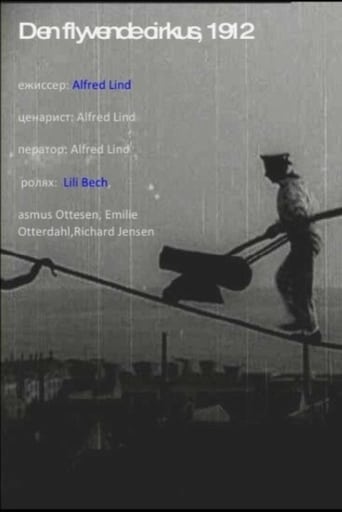
The film is a Danish silent drama from the early 1910s directed by Alfred Lind, who is also listed among the cast, reflecting the flexible production practices common in Scandinavian cinema at the time. Surviving documentation is sparse, and many production details such as studio, budget, and specific shooting locations have not been reliably preserved in accessible records. Like many films of the period, it was likely produced with a small cast, minimal intertitles, and location work or studio-built circus settings that emphasized performance and spectacle over elaborate set design. The subject matter blends melodrama with circus entertainment, a combination that was popular in silent-era European cinema because it allowed for strong visual contrasts and emotionally legible situations without extensive dialogue.
Historical Background
The Bear Tamer was made in 1912, at a moment when cinema was transitioning from short scenes and one-reel entertainments toward more elaborate narrative forms. Denmark was one of the leading film-producing nations in Europe during the pre-World War I period, with companies such as Nordisk helping establish a reputation for polished, exportable melodramas. The film emerged in a world where circus and variety entertainment were highly visible forms of popular culture, and films about performers often exploited the tension between public spectacle and private emotion. Its themes of jealousy, temptation, and loyalty also reflect the moral and sentimental storytelling favored by silent-era audiences, especially in European melodrama.
Why This Film Matters
Although The Bear Tamer is not widely known today, it is culturally significant as a surviving reference point for early Danish melodrama and the portrayal of circus life in silent cinema. Films like this helped shape international ideas about Scandinavian screen drama as emotionally direct, visually clear, and often centered on moral conflict. The use of animal imagery and performer culture also reflects an early cinema fascination with spectacle, bodily performance, and the emotional risks of public life. For historians, the film is valuable not necessarily as a canonical masterpiece but as evidence of the themes, genres, and production practices that defined Danish cinema before the First World War.
Making Of
Very little detailed behind-the-scenes information survives for The Bear Tamer, which is common for films from 1912. What is known is that Alfred Lind served as director and was also part of the cast, suggesting a compact production environment in which creative personnel could take on several responsibilities. The film's circus material likely required coordination with performers, animals, or staged animal action, though no detailed production reports have survived to confirm how such sequences were handled. Its melodramatic structure and simple, visually expressive premise fit the production style of Danish silent cinema, which often relied on concise storytelling and strong pictorial situations rather than elaborate documentation of the making process.
Visual Style
Specific cinematographer credits are not reliably available in the surviving information commonly cited for the film. As a 1912 silent drama, its visual style would have relied on static or gently moving camera setups, strong staging in depth, and expressive blocking to make character relationships legible without sound. Circus settings offered opportunities for bright, open compositions and visually varied backgrounds, while the melodramatic material would have depended on readable gestures and clear facial expression. Early Danish films often displayed careful framing and a polished theatricality, so the cinematography was likely designed to highlight performers and narrative clarity rather than technical flourish.
Innovations
There are no widely documented technical innovations specifically associated with The Bear Tamer. Its importance lies more in its period craftsmanship and in the way it uses early silent-era visual storytelling to present circus action and domestic melodrama. The integration of animal imagery into the plot would have required practical staging and clear visual planning, which was a common challenge in early cinema. As with many films from 1912, the main achievement is in the economy of storytelling and the ability to communicate plot and emotion through gesture, composition, and intertitles.
Music
As a silent film, The Bear Tamer did not have a synchronized recorded soundtrack. Its musical accompaniment would originally have been provided live by a pianist, small ensemble, or theater orchestra, depending on the venue and market. Surviving records do not preserve a specific commissioned score, and no standardized original cue sheet is widely documented in accessible sources. Modern screenings of the film, if any, would typically use reconstructed or newly arranged accompaniment chosen by the presenting archive or festival.
Famous Quotes
No verified surviving dialogue quotations are available for this silent film.
As a silent-era production, any quoted text would have appeared in intertitles, but no authoritative transcript is commonly preserved in accessible records.
Memorable Scenes
- The bear tamer's discovery of his new wife's growing involvement in the variety-show world, which shifts the story from romance to emotional tension.
- The moment he witnesses the snake charmer being seduced away by a wealthy man, a classic silent melodrama scene built for visual anguish and contrast.
- The closing image of the bear tamer finding solace in his faithful animal companion, underscoring the film's emotional contrast between human betrayal and animal loyalty.
Did You Know?
- The film is a Danish production from the silent era, made in 1912, placing it among the early feature-length narrative experiments of European cinema.
- Alfred Lind is credited as director and also appears in the cast, a not-uncommon practice in early film production when companies often reused talent in multiple roles.
- The plot centers on circus performers, a subject that gave silent filmmakers opportunities for visual spectacle, animal imagery, and easily understood emotional conflict.
- The film is associated with the Danish title tradition of the period, when melodramatic stories about entertainers, romance, and moral temptation were especially common.
- The known plot summary survives through later archival description rather than extensive contemporary documentation, indicating that complete production records may be limited.
- The mention of a 'furry, faithful squire' suggests an animal companion playing an important narrative and symbolic role, which is typical of the period's interest in anthropomorphic loyalty and sentimental resolution.
- Because it is an early silent film, its original musical accompaniment would have been performed live and would have varied from venue to venue.
- The film belongs to a period when Denmark had become an important exporter of films in Europe, especially melodramas and star-driven productions.
- Its circus setting links it thematically to other early twentieth-century entertainments films that explored performance, public spectacle, and social temptation.
What Critics Said
Contemporary critical reception is not well documented in surviving accessible sources, so it is difficult to reconstruct how The Bear Tamer was reviewed upon release. Like many early silent films, its reputation was likely shaped more by exhibition context and local audience response than by extensive national criticism. In modern archival and scholarly contexts, the film is mainly of interest as an example of early Danish production and of the melodramatic circus narrative popular in the period. Without substantial surviving reviews or restoration publicity, its current critical standing is best described as historically interesting rather than widely assessed by mainstream criticism.
What Audiences Thought
No reliable box office data or detailed audience surveys survive for the film. Given the popularity of circus and melodrama subjects in early cinema, it likely had straightforward appeal to audiences who enjoyed clear emotional stakes, visual spectacle, and animal-centered imagery. The fact that the story features performers, marriage, jealousy, and a rich outsider would have made it easy for viewers to follow even with minimal intertitles. Today, audiences interested in silent film, Danish cinema, or archival curiosities may find it notable mainly for its period atmosphere and unusual premise.
Film Connections
Influenced By
- Circus melodramas and stage entertainments popular in late 19th- and early 20th-century Europe
- Early Scandinavian silent dramas centered on moral conflict and spectacle
- Popular variety-show and touring-circus narratives from the theatrical tradition
This Film Influenced
- Early circus melodramas in European silent cinema
- Later films about performers, temptation, and backstage romance
- Silent-era animal and circus dramas that use loyalty between human and animal characters as emotional contrast
You Might Also Like
More Drama Films
View allMore from Alfred Lind
View allFilm Restoration
Preservation details are not firmly documented in the accessible source material used here. The film appears to be extant or at least cataloged in archival databases, but a complete restoration history is not widely available in standard public references. If a print survives, it is likely held by a film archive or preserved in fragmentary historical record rather than commonly circulating on home media. Its exact condition should be verified against national archive or specialized silent-film catalog listings.