Alfred Lind
Actor & Director
- Active
- 1912-1912
Films 2
About Alfred Lind
Alfred Lind was a Danish film director, actor, screenwriter, and producer who worked during the pioneering years of European cinema, emerging as one of the notable early figures in Denmark's silent-film period. He is credited with directing early one-reel productions such as The Pride of the Circus (1912) and The Bear Tamer (1912), and he also acted in The Bear Tamer, reflecting the fluid creative roles common in the infant film industry. Lind's known screen activity from surviving filmography is very limited, which is typical of many early filmmakers whose work has been partly lost or incompletely documented. Even so, his presence in the Danish silent era places him among the generation that helped establish film production practices, genre storytelling, and performance conventions before features became standard. Because records about his life are sparse, many personal details such as his birth and death dates remain difficult to verify with confidence in readily available sources. His career is best understood as part of the foundational fabric of Scandinavian cinema rather than through a long list of preserved, widely circulated titles. As a result, Alfred Lind is remembered more by film historians and archivists than by the general public, but he remains a legitimate early cinema personality whose work contributed to the formation of Danish screen culture.
More about Alfred Lind
Behind the camera
Because only a very small number of his films are securely credited and few detailed contemporary descriptions survive, Alfred Lind's directing style cannot be described with certainty. Based on the era and the surviving titles, his work likely followed the early silent-film conventions of concise visual storytelling, theatrical blocking, straightforward staging, and emphasis on melodramatic or sensational subject matter. Films such as The Pride of the Circus and The Bear Tamer suggest an interest in spectacle, performance, and popular entertainment, which were common ingredients in early 1910s cinema. Any assessment of his style must remain tentative because many films from this period are lost or inaccessible, making close stylistic analysis difficult.
In film history
Alfred Lind's cultural impact lies primarily in his participation in the earliest phase of Danish cinema, a period that helped establish Denmark as an important center of silent-film production in Europe. Even filmmakers with very small surviving filmographies contributed to the industrial and artistic experimentation that defined the 1910s, and Lind belongs to that foundational group. His work in short-form entertainment, including circus and animal-themed subjects, reflects the popular genres that helped attract audiences to motion pictures when the medium was still new. In that sense, he represents the many early practitioners whose labor made later Scandinavian film artistry possible, even if their individual names are not widely remembered outside archival and scholarly circles.
Later reputation
Alfred Lind's legacy is inseparable from film preservation history: he is one of many early cinema artists whose names survive in credits even when prints, production records, and detailed personal information have largely vanished. His surviving filmography offers a small but meaningful glimpse into the production culture of Danish silent film in 1912, when directors often also appeared as actors and worked across multiple creative functions. For historians, figures like Lind are important because they help reconstruct the breadth of activity in the formative years of European cinema. His legacy therefore rests less on celebrity than on historical significance as a documented participant in the silent era's creative ecosystem.
Influence
Alfred Lind's influence is difficult to trace directly because the available record is too limited to map a clear chain of mentorship or stylistic descendants. However, as part of Denmark's early film community, he participated in the environment that shaped later Danish and Scandinavian filmmakers. The working methods of early directors like Lind helped normalize visual storytelling techniques, genre experimentation, and multi-role film labor that younger filmmakers inherited. His career is thus influential in an indirect, structural sense rather than through a clearly documented body of famous imitators.
Off screen
Very little reliably documented information survives about Alfred Lind's personal life, family background, marriages, or descendants. Unlike later film stars whose lives were extensively covered by the press, many early silent-era figures left behind only sparse professional credits and minimal biographical records. No well-established personal details could be confidently verified from the available information connected to his early film work. He therefore remains a largely elusive historical figure whose identity is preserved mainly through film credits rather than public biography.
Credits
- Directed The Pride of the Circus (1912), one of his earliest credited film projects
- Directed and acted in The Bear Tamer (1912), showing his dual creative involvement in early silent cinema
- Worked during the formative years of Danish filmmaking, when the national industry was rapidly developing its identity
- Represents the small cadre of multi-hyphenate early cinema artists who moved between directing, acting, writing, and producing
- His surviving credits place him among the pioneers of short-form silent production in Europe
Roles
- The Bear Tamer (1912) - role not specified in surviving filmography
Films
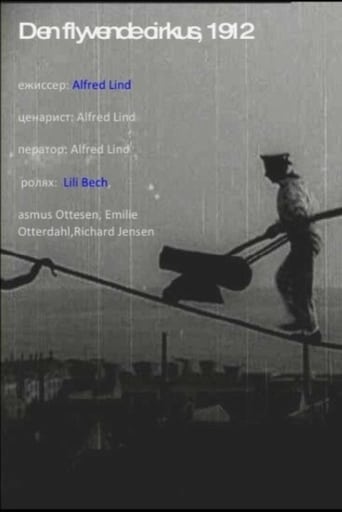
- The Pride of the Circus (1912)
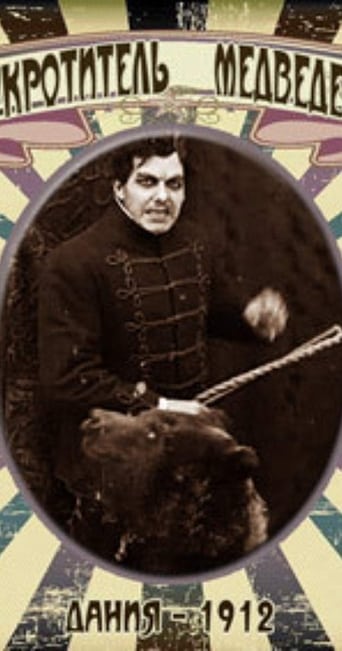
- The Bear Tamer (1912)
Notes
- He is credited as both director and actor on The Bear Tamer (1912), which was common in the early silent era but still notable for a single credited personality.
- His known film activity is concentrated entirely in 1912, suggesting either a very brief screen career or a heavily incomplete surviving record.
- The titles associated with him hint at early cinema's fascination with circus and spectacle subjects.
- He belongs to the group of early European film workers whose reputations are preserved more in archives than in popular film histories.
- Because many silent films from 1912 are lost, some of his work may no longer be viewable even if it once circulated.
- Available records do not provide enough information to firmly establish his birth or death dates, which is common for obscure silent-era personnel.
- He is a reminder that early cinema often relied on versatile artists who could direct, act, and sometimes write or produce.
- His surviving credits make him part of the early Danish film industry that later gained international recognition for its sophistication and artistry.
Questions
Who was Alfred Lind?
Alfred Lind was a Danish silent-era filmmaker credited as both a director and actor. He is known for early 1912 films such as The Pride of the Circus and The Bear Tamer, and he belongs to the generation that helped shape Denmark's formative film industry.
What films is Alfred Lind best known for?
He is best known for directing The Pride of the Circus (1912) and The Bear Tamer (1912). He also acted in The Bear Tamer, which highlights how early cinema professionals often worked in multiple capacities on the same production.
When was Alfred Lind born and when did he die?
His birth and death dates are not reliably documented in the information currently available. Many early silent-era figures survive in film credits but have incomplete biographical records, and Alfred Lind appears to be one of them.
What awards did Alfred Lind win?
No awards or major nominations are currently documented for Alfred Lind. This is not unusual for early 1910s film personnel, since formal film awards came much later and many pioneers were never publicly honored during their lifetimes.
What was Alfred Lind's directing style?
A precise stylistic profile is difficult to establish because so little of his work is documented in detail. Based on the era and his surviving credits, he likely worked in the early silent tradition of visual storytelling, simple staging, and popular melodramatic or spectacle-driven subjects.
What is Alfred Lind's legacy in film history?
His legacy lies in being part of the pioneering generation of Danish cinema. Even though his surviving filmography is small, he represents the early filmmakers whose work helped build the foundations of Scandinavian silent film.